

Boxknow
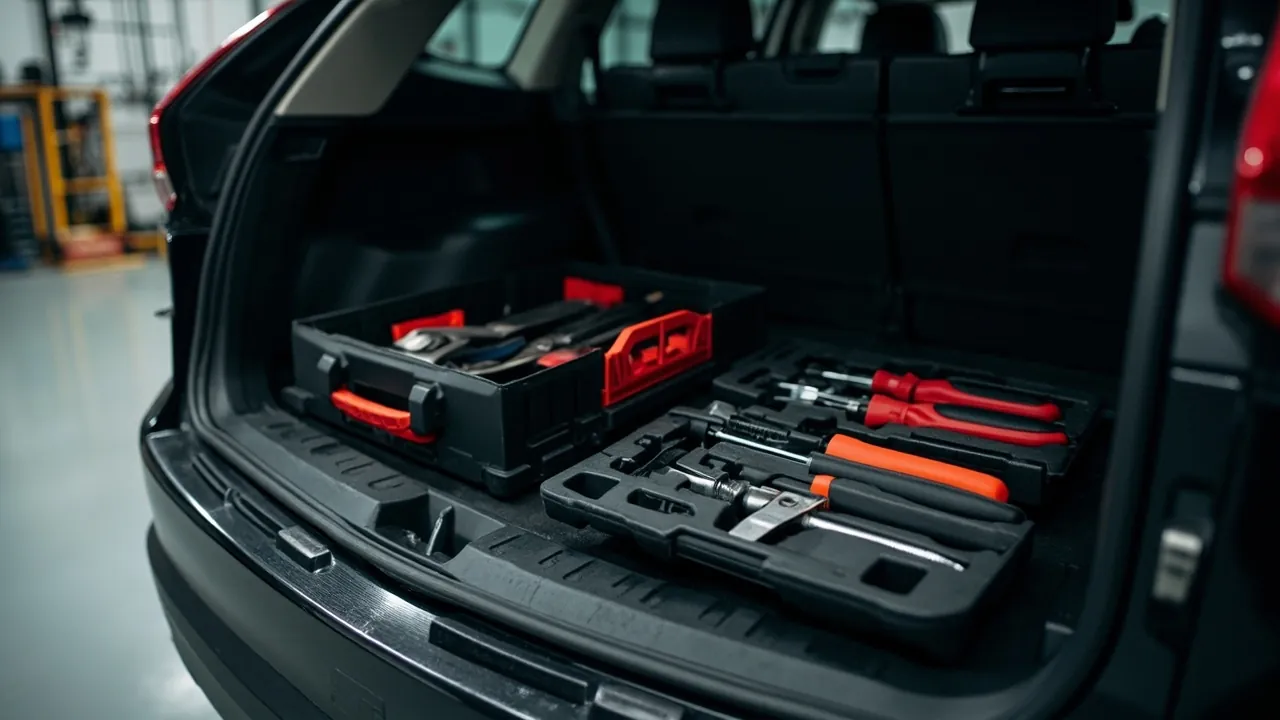
What Belongs in a Car Toolbox? A Driver's Complete Loading Checklist
A complete car toolbox checklist built on the three-ring method: emergency safety, common fault self-recovery and comfort items, plus vehicle-type adjustments, securing methods, temperature effects and a quarterly inspection list.
Read Article →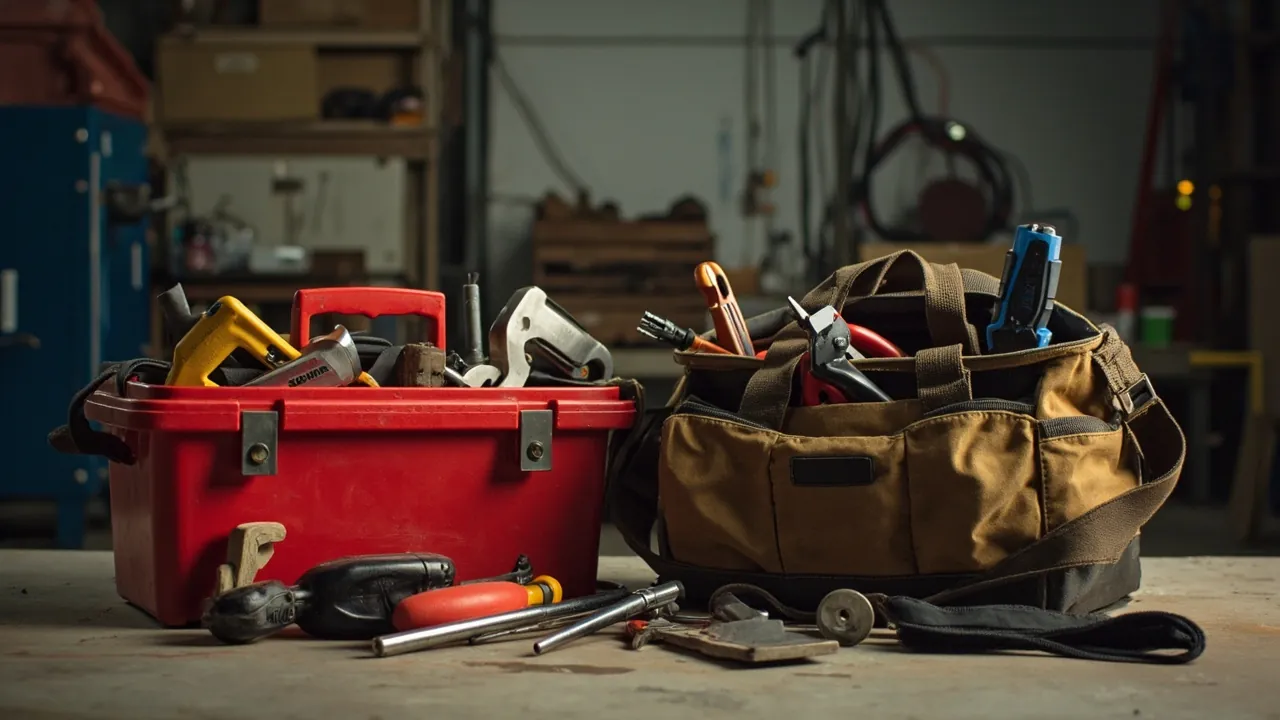
How to Choose a Hardware Toolbox: Why Home Users and Professional Electricians Are Buying Two Different Products
Household and professional electrician toolboxes need opposite specifications. Twelve dimensions compared, insulated tool storage and IEC 60900, volume sizing method, material and ergonomics trade-offs, replaceable hardware and three-year lifecycle cost.
Read Article →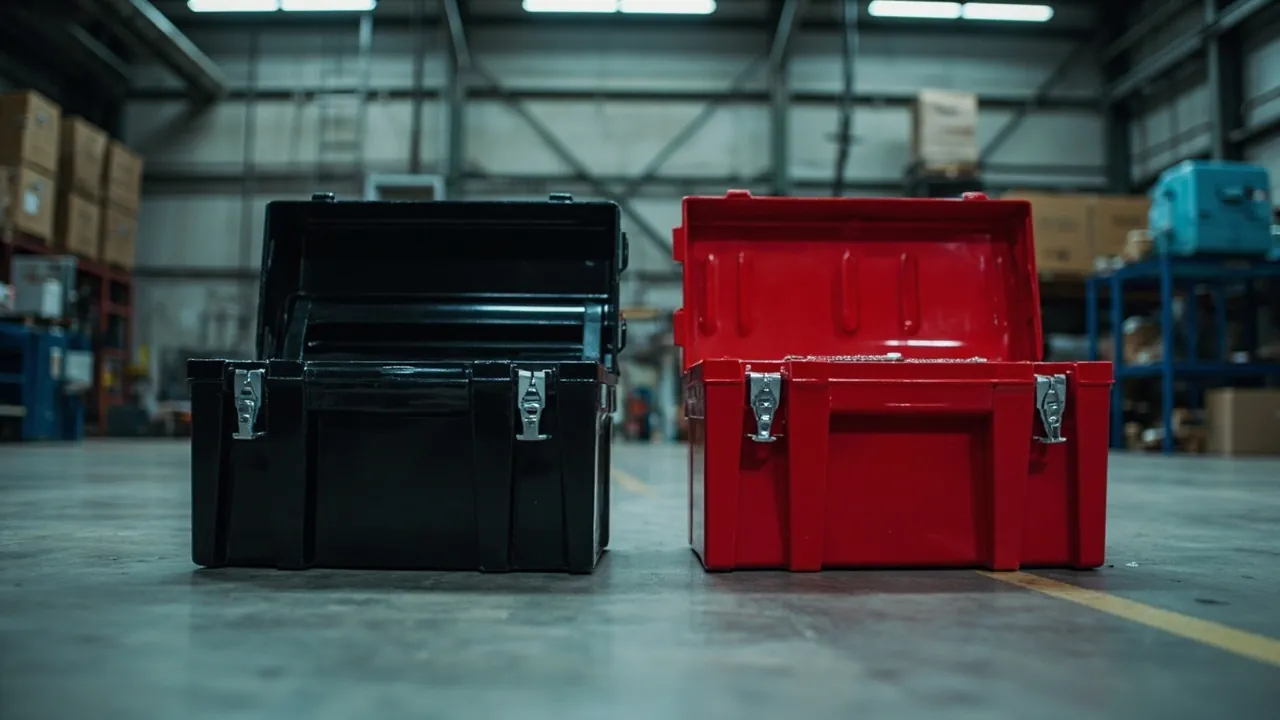
Industrial vs Household Toolboxes: How Load Capacity and Structural Design Really Differ
The real difference is design assumptions. Compare static, point and stacking load definitions, load test criteria, wall and rib design, load paths, hinge and latch life, handles and wheels, IP sealing and materials, with a twelve-dimension table and a procurement decision path.
Read Article →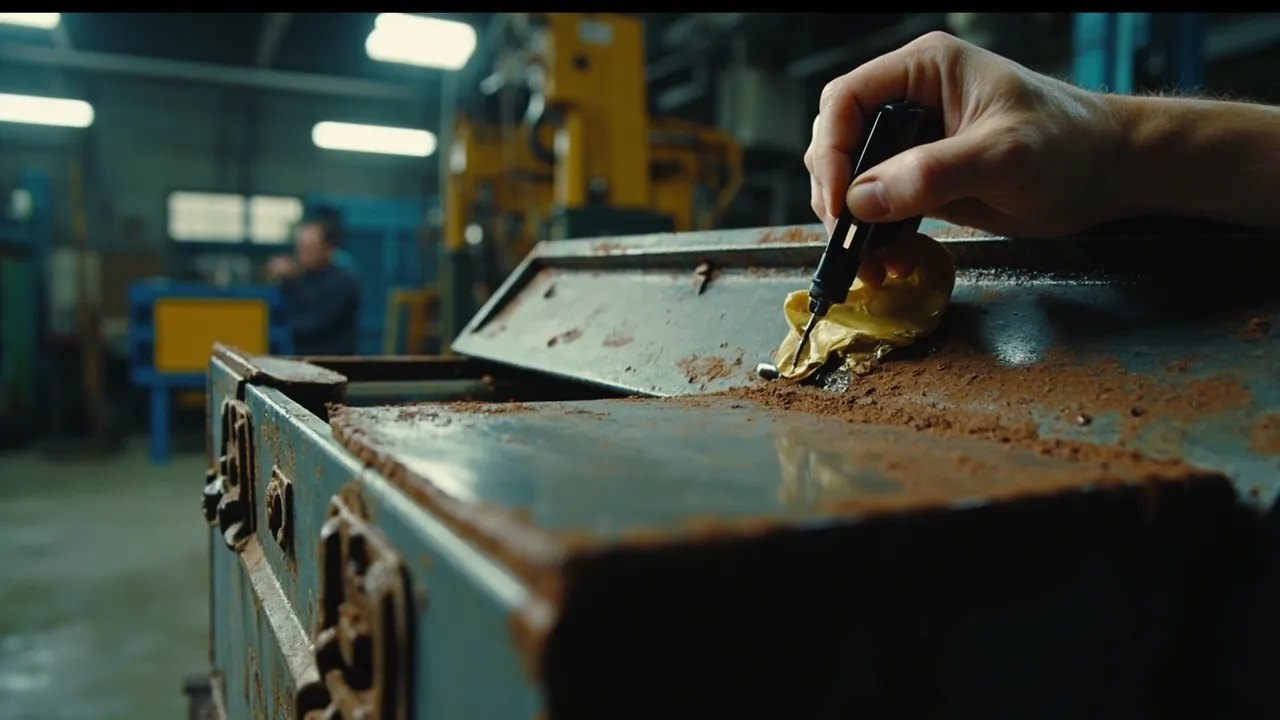
Rust on a Metal Toolbox: How to Remove It and How to Stop It Coming Back
Rust needs iron, water, oxygen and time together. Learn to identify uniform rust, pitting, crevice and galvanic corrosion, choose between mechanical, chemical, electrolytic and laser removal, select coating and plating systems, read ISO 9227 and GB/T 10125 salt spray reports, and follow a maintenance routine with a procurement checklist.
Read Article →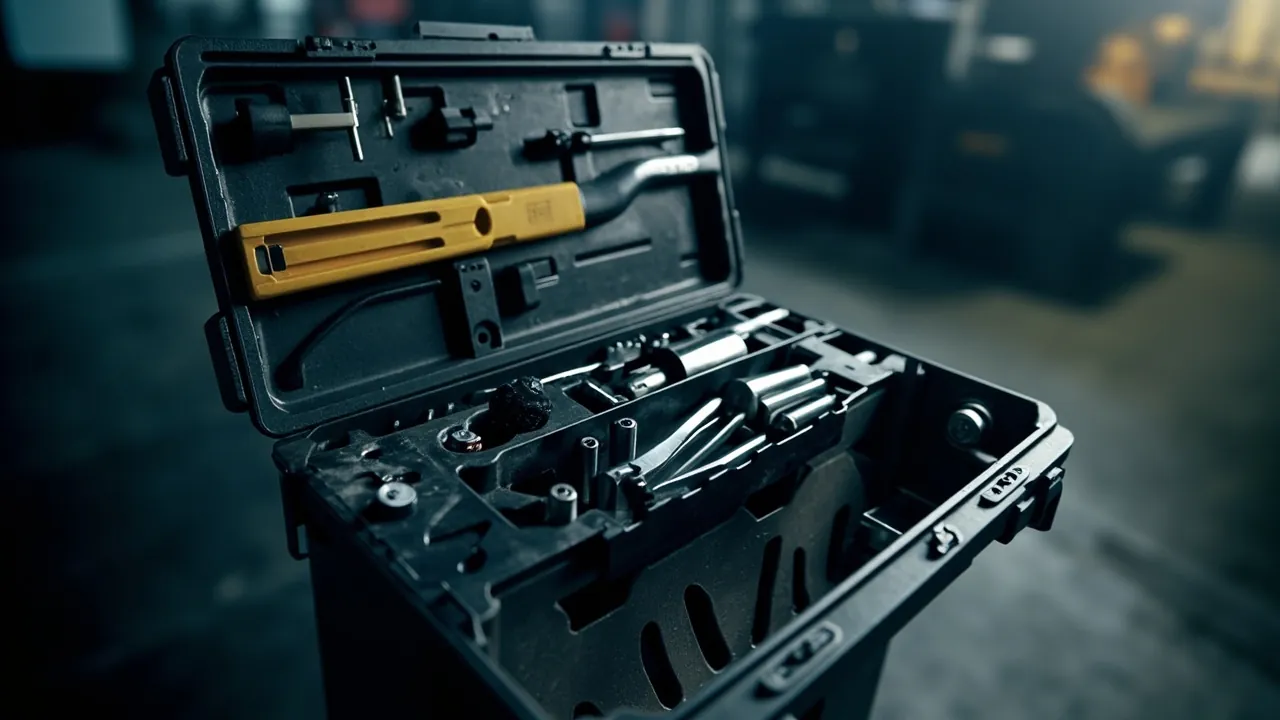
How Many Tools Fit in a Multi-Function Toolbox? Capacity Planning and Storage-Efficiency Calculations
Litres alone do not tell you what a toolbox holds. This guide separates nominal volume, usable volume and effective payload, with shape factors, fill-rate ranges, a scenario sizing table and a testable capacity specification.
Read Article →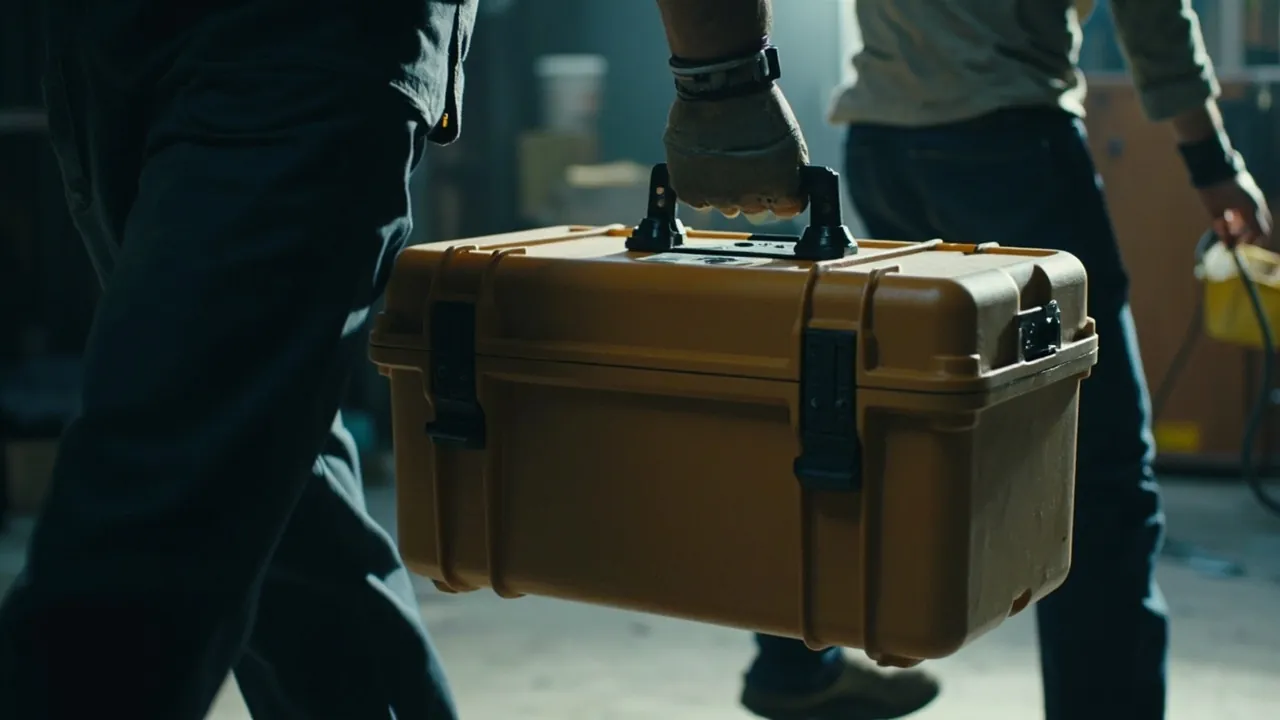
How to Carry a Portable Toolbox with Least Effort: Balancing Handle Design, Weight and Capacity
Comfort comes from a shorter lever arm, not less weight. Carrying mechanics, five handle forms, PP and TPE grip feel, a weight budget, dimension ratios, a one-hand versus wheeled decision tree and handle testing requirements.
Read Article →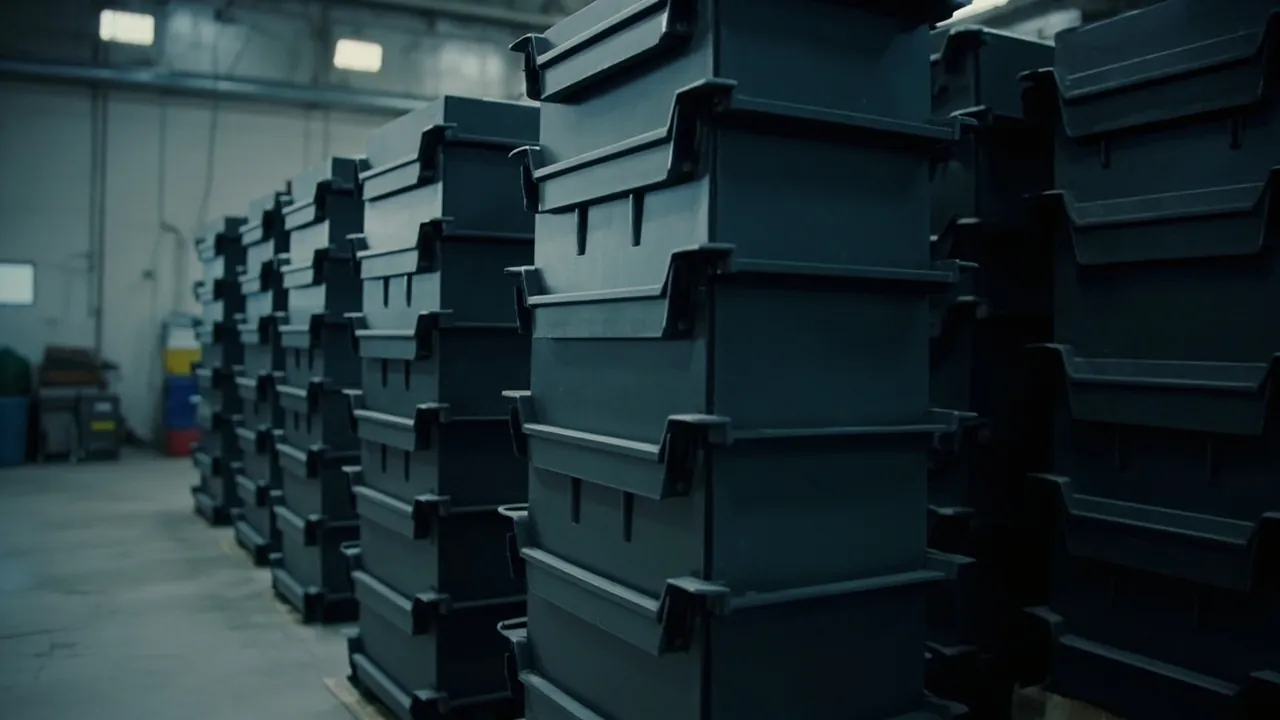
How High Can You Safely Stack Toolboxes? Stability Testing and Safety Rules
Stacking height is a duty conclusion, not a product spec. Learn the tipping criterion based on centre of gravity, how to run tipping, sliding, vibration and elevated-temperature stacking tests, four field checks, three practical height limits, per-setting guidance, restraint options and ten safety rules.
Read Article →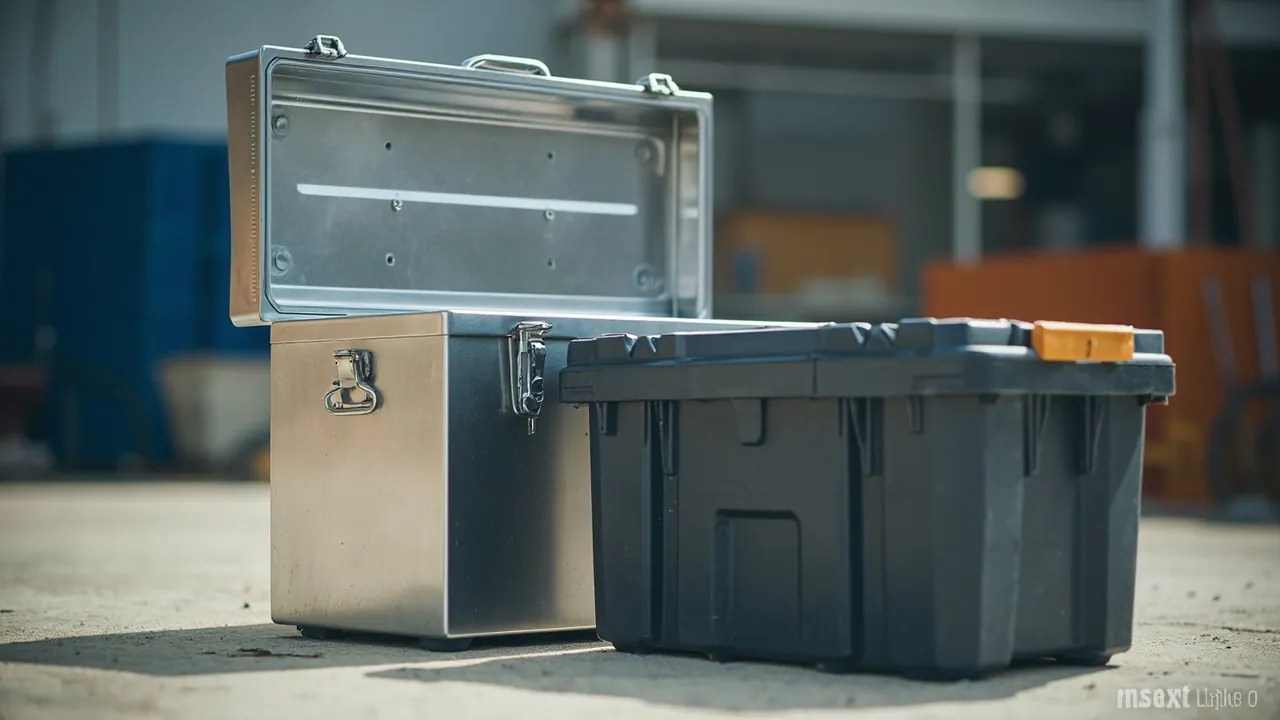
Why a Stainless Steel Toolbox Beats a Plastic One Outdoors: A Three-Dimension Comparison
Stainless versus plastic toolboxes outdoors across three dimensions: weathering and corrosion (304, 316, PREN, ISO 9227), structural stiffness (modulus, stacking, IK), and whole-life cost. Weight penalty, IP67 sealing, temperature extremes and plastic's winning cases.
Read Article →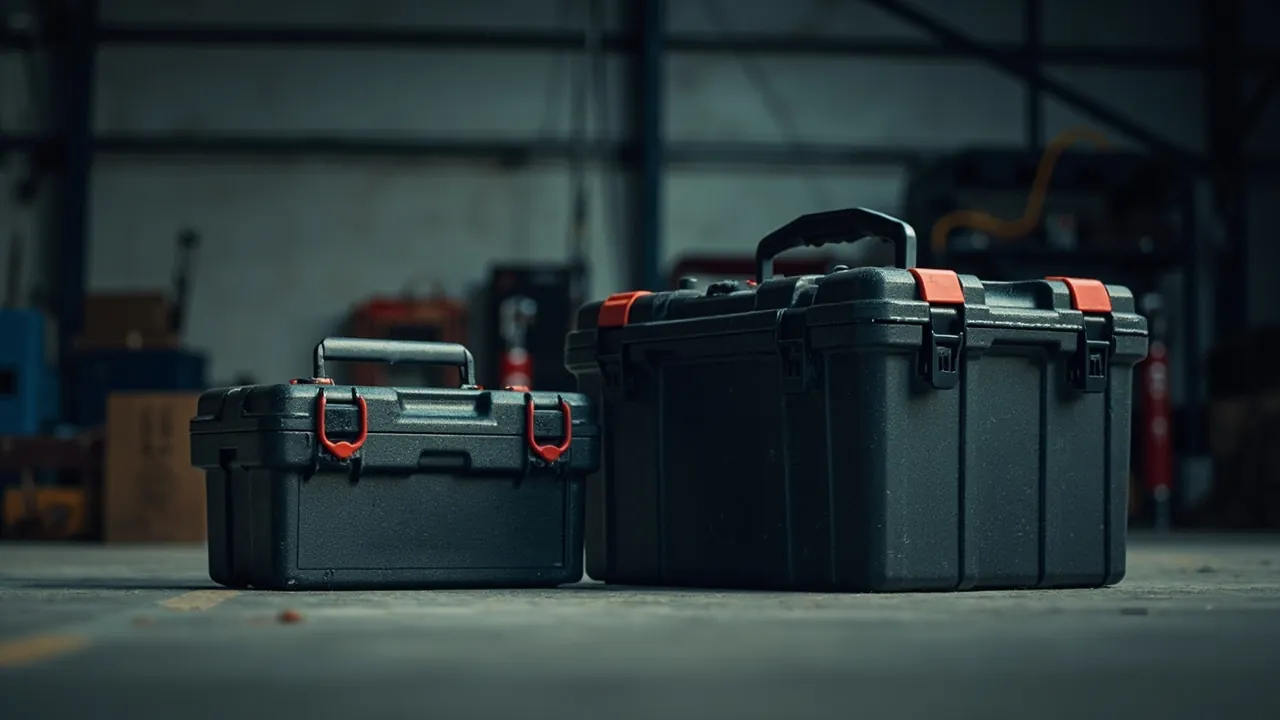
Tool Organizer Box Versus Toolbox: Different Solutions for Small Parts and Large Tools
The line between an organizer and a toolbox is item scale and movement frequency. Decision tree, fixed versus adjustable cells, load differences, material and cost comparison, six industry setups and a three-layer architecture.
Read Article →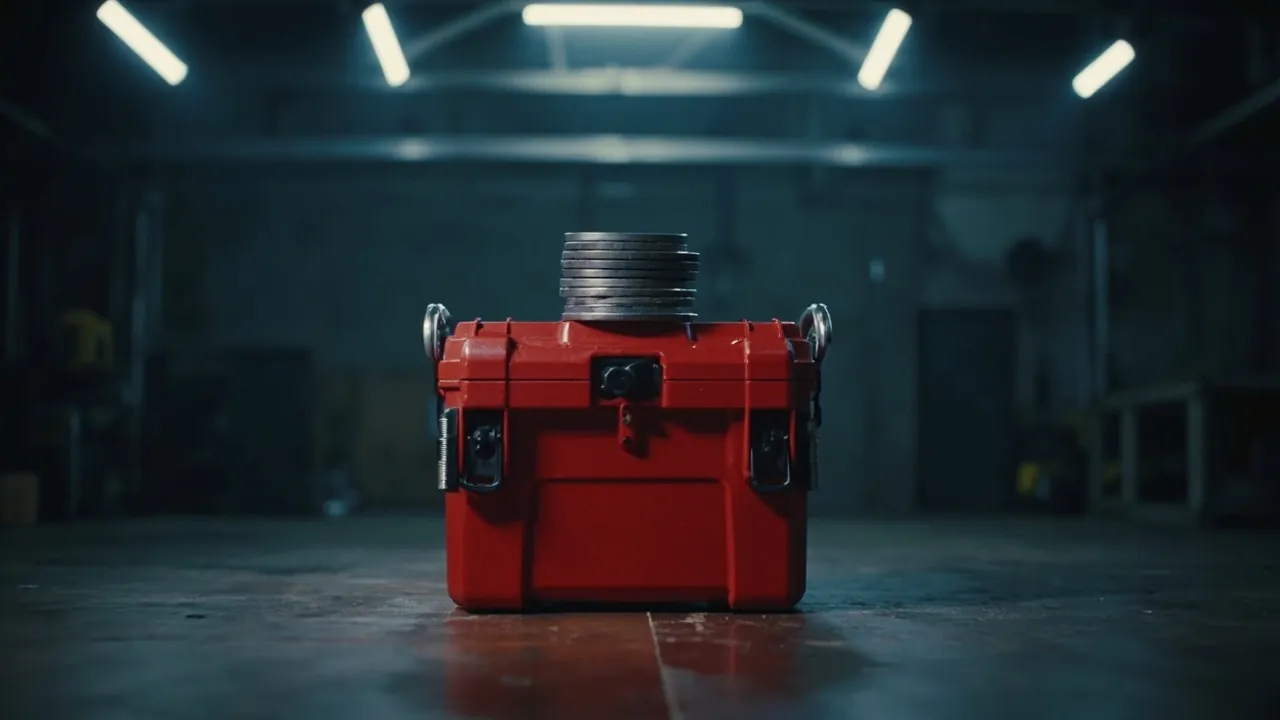
How Do You Judge Toolbox Durability? Rib Design and Load Testing with Virgin ABS Engineering Resin
How to judge toolbox durability: rib topology, virgin ABS engineering resin and moulding consistency, with IK ratings, Charpy impact, static, drop and fatigue test methods plus a procurement checklist.
Read Article →
Will a Toolbox Left in a Car Deform? Comparing High and Low Temperature Behaviour of Case Materials
Vehicle cabins reach 60 to 70 degrees Celsius in summer and drop to minus 20 in northern winters. This guide compares PP, ABS, PC and glass-filled grades on HDT, Vicat, brittle temperature and RTI, explains creep and gasket ageing, and gives verifiable temperature clauses for fleet tenders.
Read Article →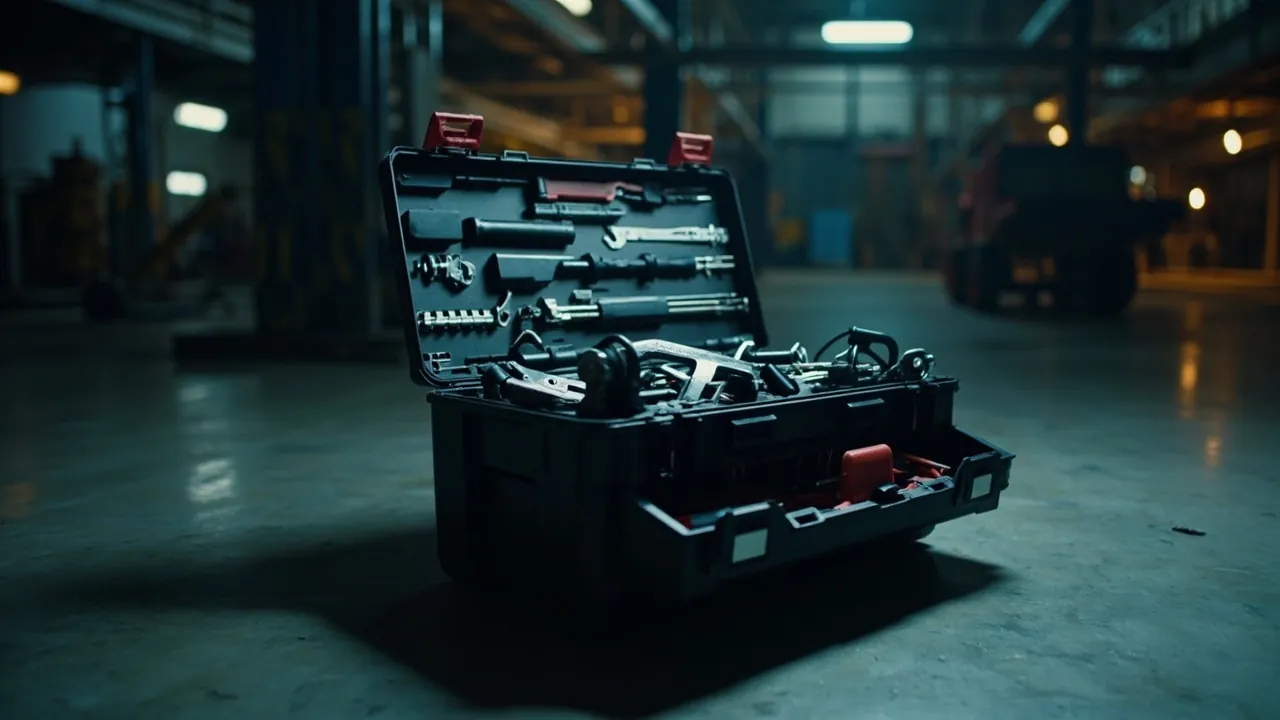
How to Lay Out a Toolbox Interior: Multi-Layer Design That Maximises Usable Space
A good interior is not more compartments but the shortest retrieval path and the highest fill ratio. Four-step method, tray versus drawer versus clamshell, module and dimensional chain, cavity depth, EVA and EPE choice, ballast matrix and six space-wasting errors.
Read Article →