

Boxknow
How Long Do Protective Cases Last? The Key Factors That Decide Durability
Examines the service life of protective cases and how material, seals, hinges, latches, environment and maintenance affect durability, with care tips and replacement criteria.
Read Article →
Rent or Buy a Protective Case? The Economics of Short-Term Projects
Rent or buy comes down to three variables: holding period, reuse frequency, and residual value. This guide compares three acquisition models, six core variables, a break-even formula, and visible versus hidden costs, then sets the boundaries where each option wins and covers rental contract clauses, residual value management, and a rapid decision table.
Read Article →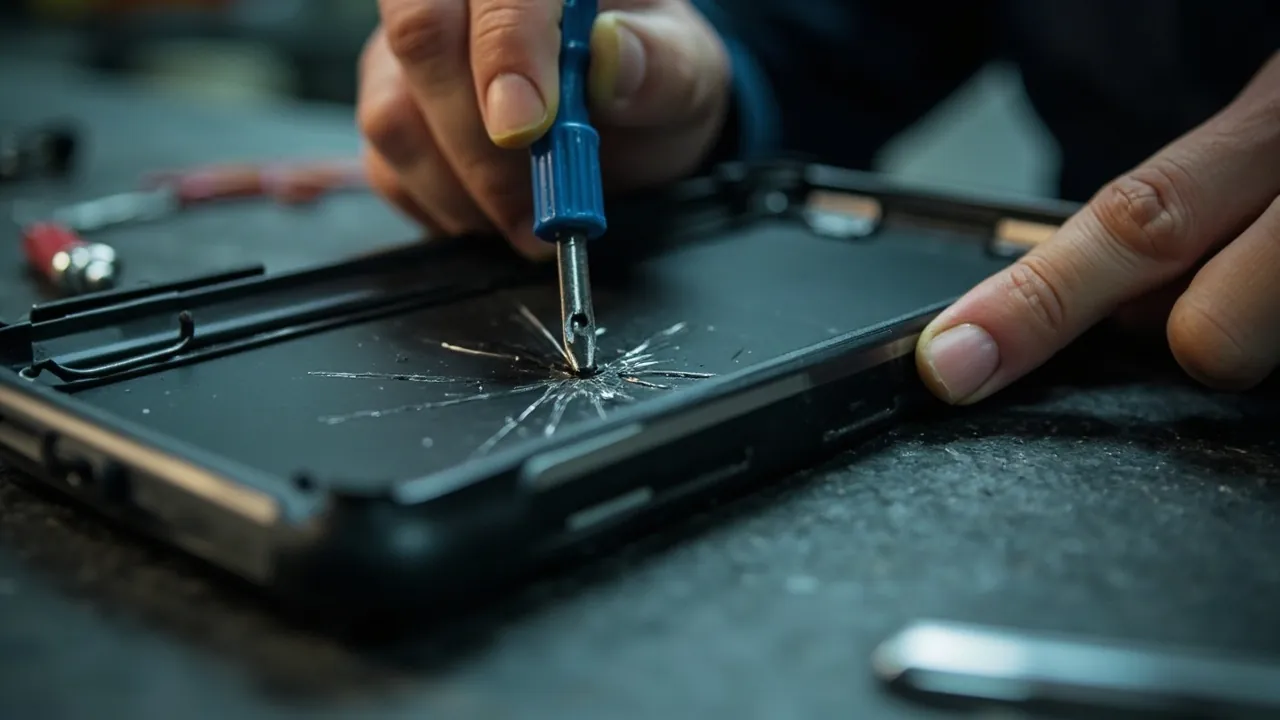
Can a Protective Case Be Repaired? Fixing a Cracked Shell
A protective case can be repaired, but classify the crack first. Surface cracks in flat walls can be welded or bonded on site, while cracks at ribs, corners or the lid seal channel are structural damage. Covers crack grading, PP/ABS/PC and glass-filled processes, welding, bonding and mechanical patching, seal restoration and verification.
Read Article →
What to Do When a Junction Box Rusts: Stainless Steel vs Cast Aluminium Corrosion Resistance
Five kinds of rust explained. Compare 304 and 316 by PREN, cast aluminium pitting and galvanic risk, plus salt spray data and a 10-year cost ledger.
Read Article →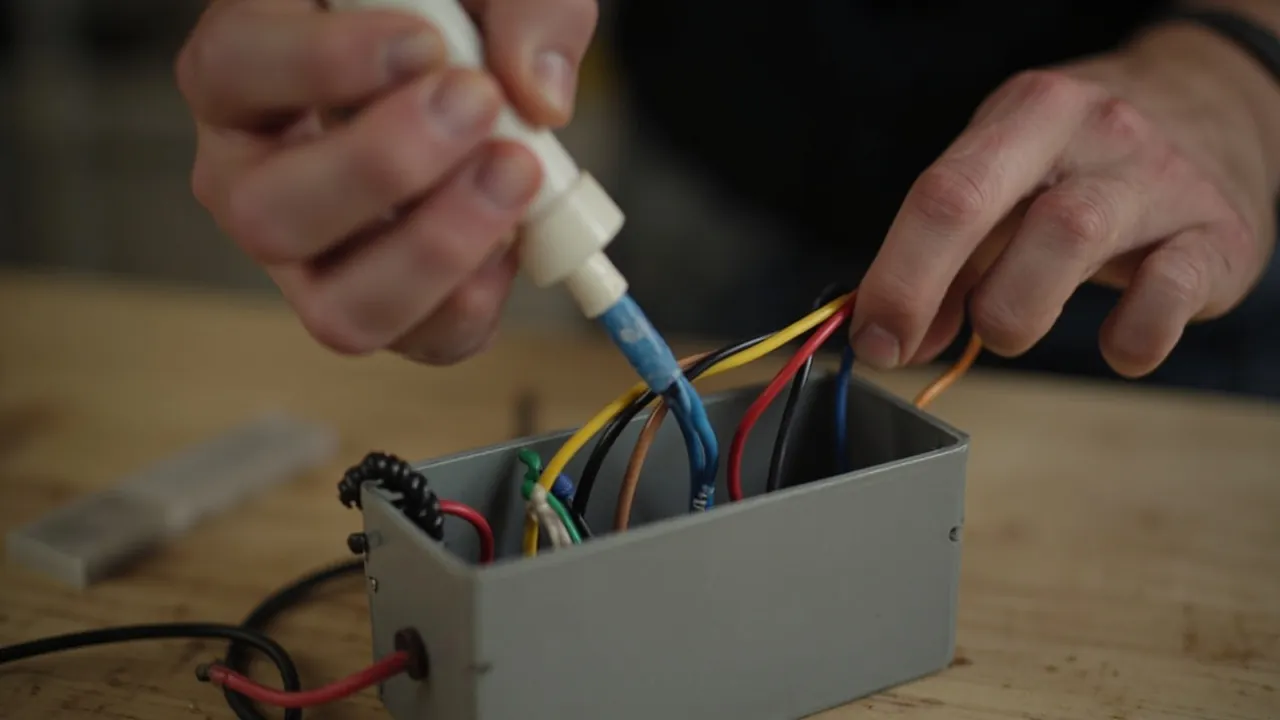
Can You DIY a Waterproof Junction Box: Three Safety Red Lines for Outdoor Electrical Sealing
Three red lines for DIY outdoor electrical work: isolation and RCDs, compliance and liability, sealing integrity, a twelve-step procedure and a checklist.
Read Article →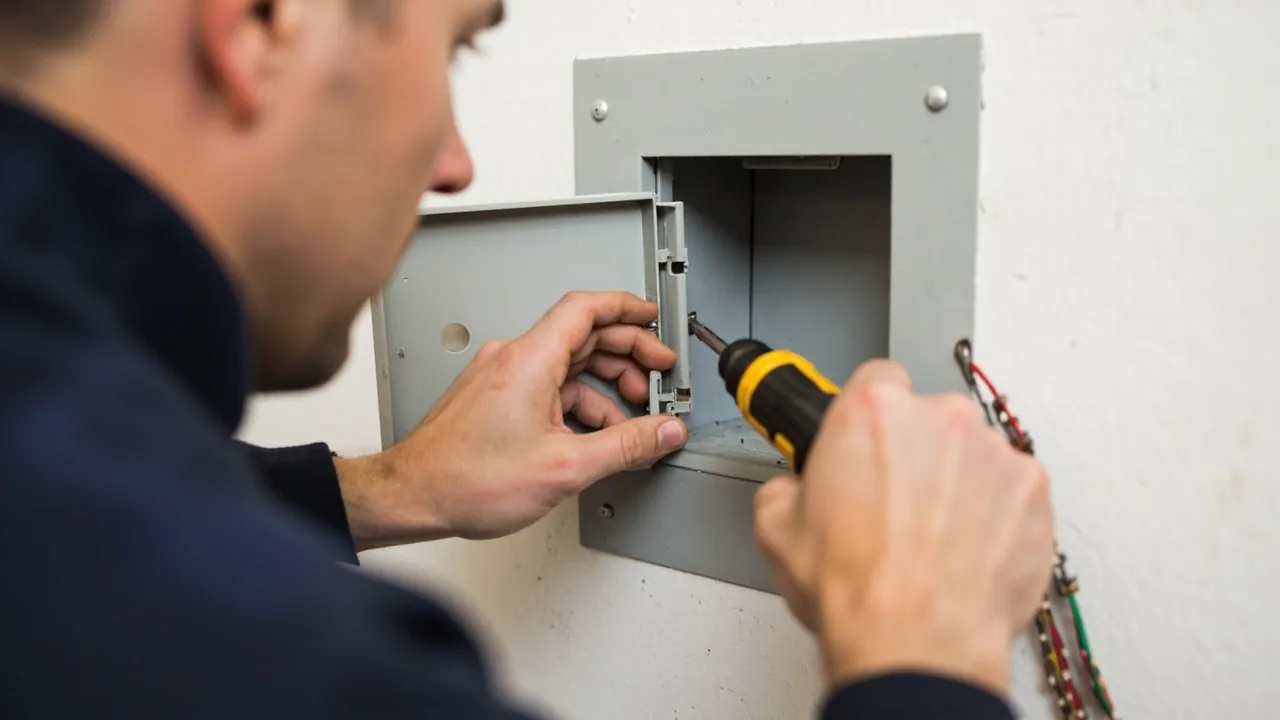
How to Install an Electrical Enclosure: Standard Practice for Outdoor Waterproof Junction Boxes
IP67 junction box installation: tools, mounting heights, hole sizes, gland torque, diagonal tightening and a fifteen-point checklist, to IEC 60529 and EN 62444.
Read Article →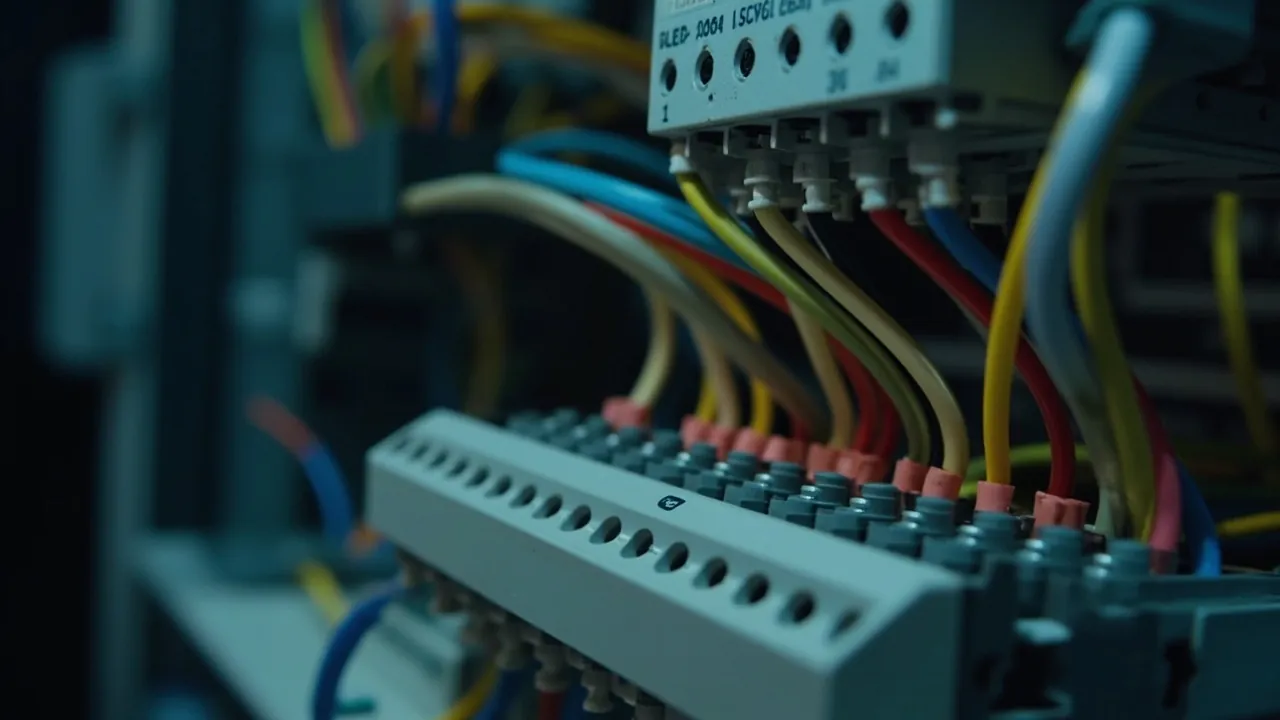
How to Route Cables Inside a Waterproof Box: Wiring Standards for Outdoor Enclosures
IP type tests run on empty boxes; routing decides what you keep. Volume, the 40 percent fill rule, drip loops, bend radius, separation, screening and cooling.
Read Article →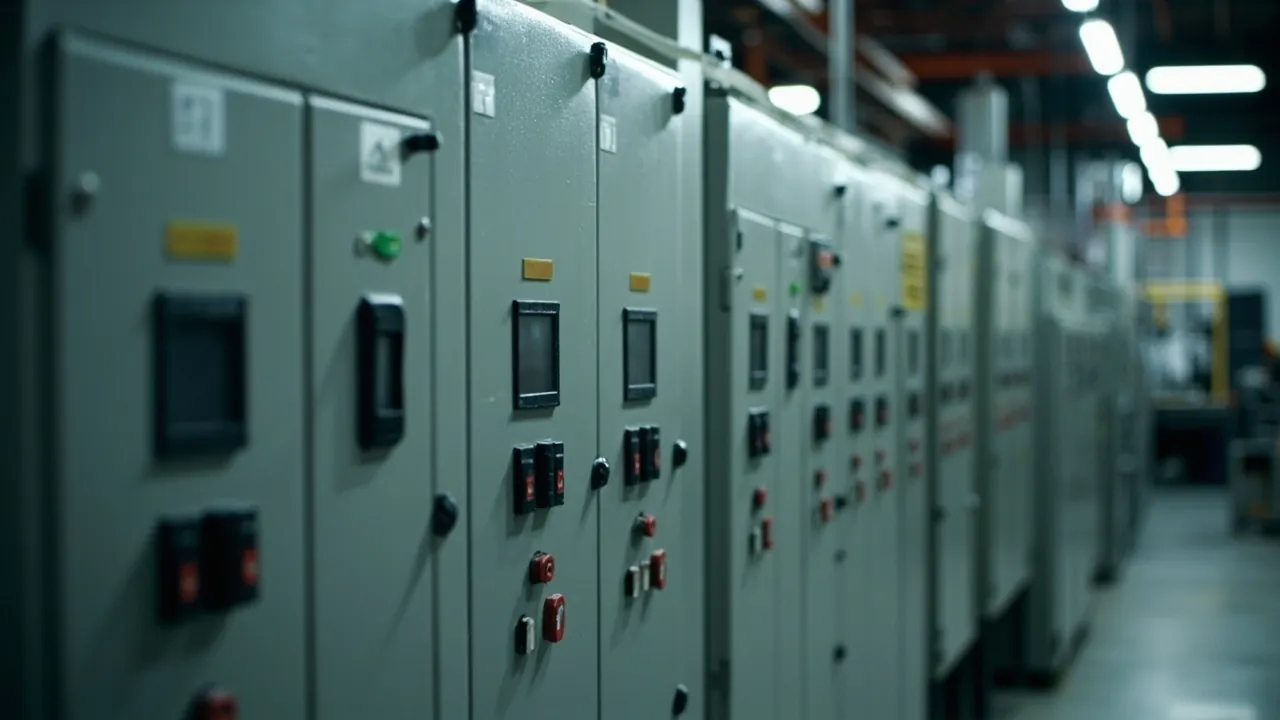
How to Select a Waterproof Control Box for Industry: Five Key Parameters
Five parameters for selecting an industrial enclosure: IP and IK ratings, usable volume and cooling, material weathering, cable entry and certification.
Read Article →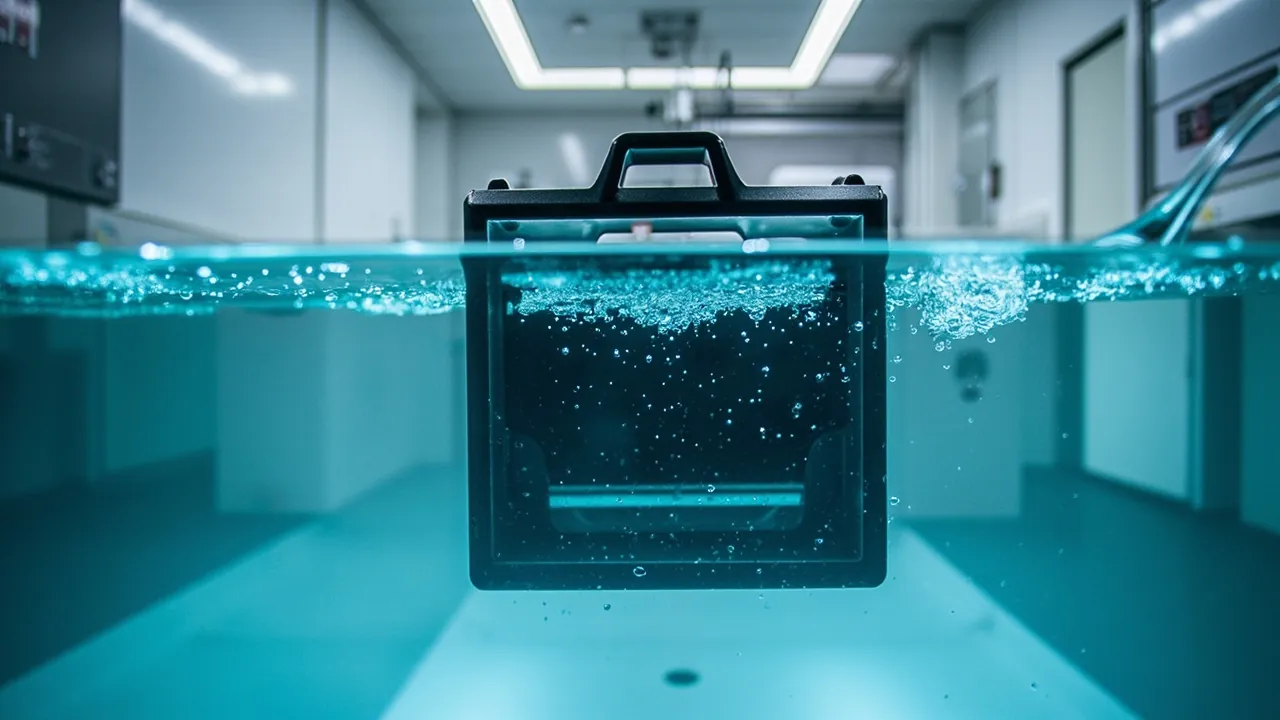
Can an IP67 Box Really Be Submerged: The 1-Metre 30-Minute Immersion Test
IPX7 means lowest point 1000 mm below surface, top 150 mm below, temperature difference under 5 kelvin, 30 minutes in static fresh water. Get the physics behind the numbers, the hydrostatic load at one metre, the full test procedure, six result-changing variables, IP67 versus IP68 limits, DIY screening and nine report checks.
Read Article →
What Temperature Range Can an IP67 Box Handle: -40C to 80C Extreme Testing
Minus 40 to 80 C is a material convention, not an IP promise: three temperature thresholds, creep, compression set, cold embrittlement and day-night suction.
Read Article →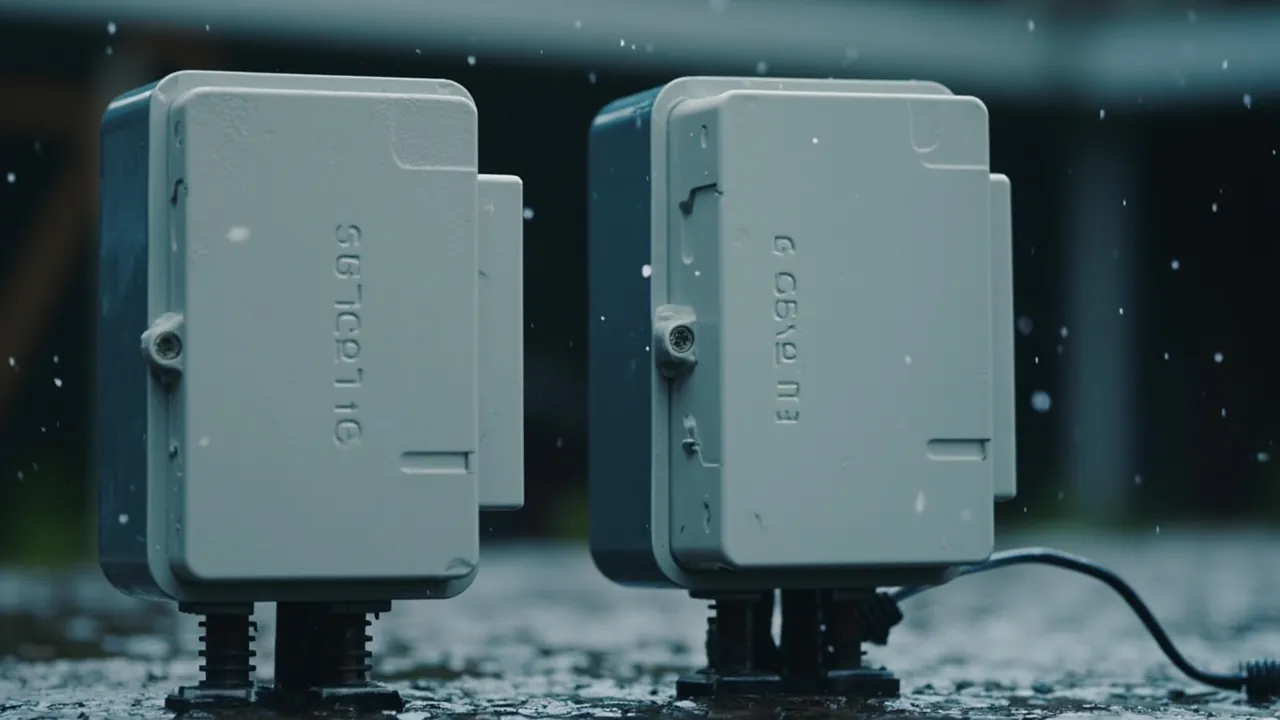
How to Choose a Waterproof Junction Box: IP67 vs IP65 Ratings and Use Cases
IP65 resists water jets; IP67 resists temporary immersion at one metre for 30 minutes. Compare test parameters per IEC 60529, physical mechanisms, structural and cost differences, then use the three-question method, selection table, drawing clauses and eight FAQs to specify the right outdoor junction box.
Read Article →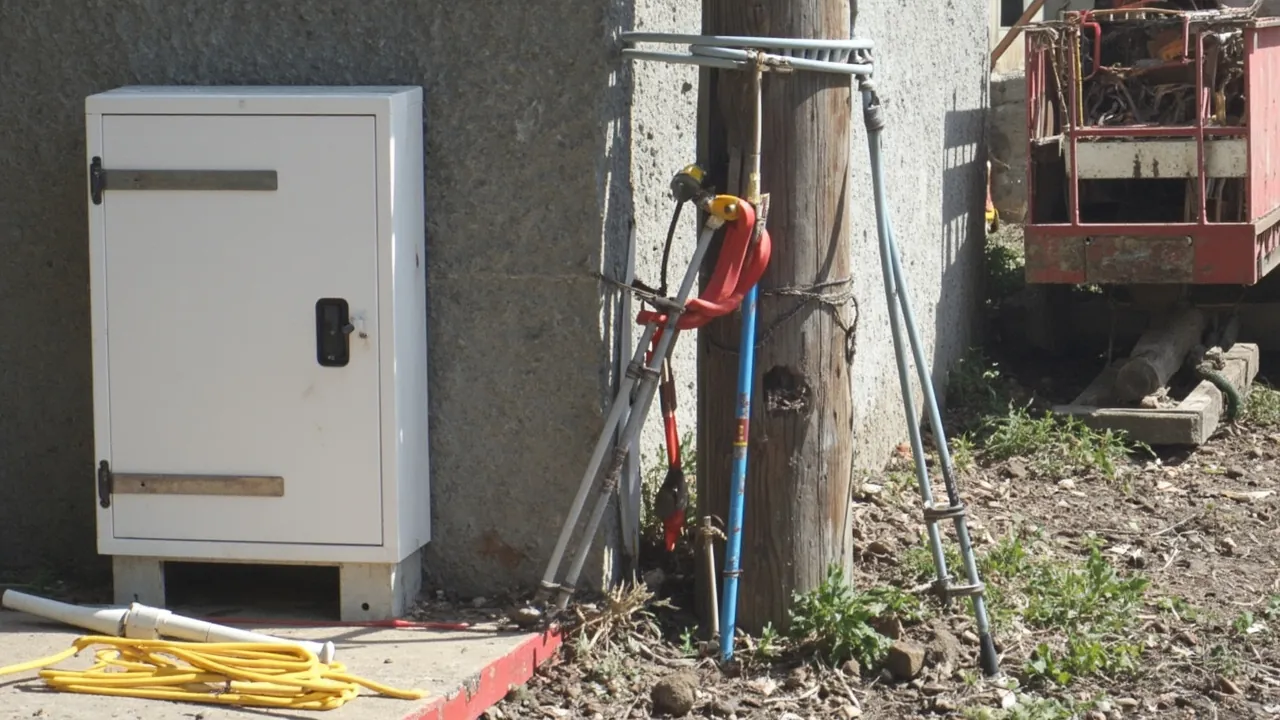
What Tools Are Needed to Install an Outdoor Waterproof Box: Full DIY Walkthrough
Seven steps, full tool list, drill speeds, gland and lid torque values, bottom entry and drip loops, plus eight frequent mistakes.
Read Article →