

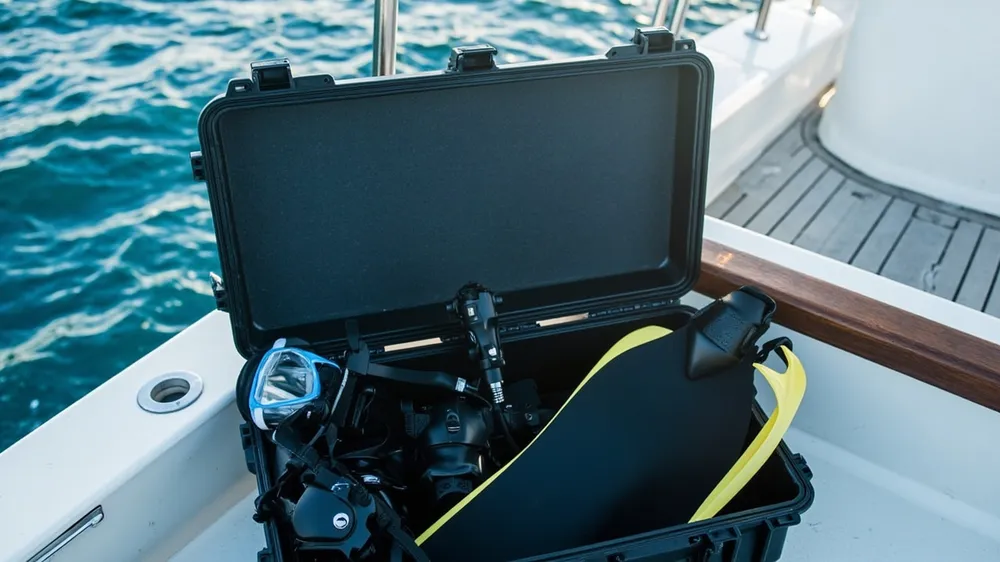
The enemies of dive gear are in the name: water, salt, knocks. Masks, regulators, lights and computers live by the sea and on boats, where spray, salt fog and deck knocks are daily. They fear three things: water in, salt corrosion, cannot find on deck. A qualified dive case must seal against spray, resist corrosion and keep gear findable on a moving deck. This guide covers choice and use from a diver's view.
Three Failure Modes
- Water in: spray soaks electronics and fabric.
- Salt corrosion: latch and hinge rust solid, metal scrapped.
- Cannot find: deck rocks, gear messy.
Priority: sealing > corrosion > organisation.
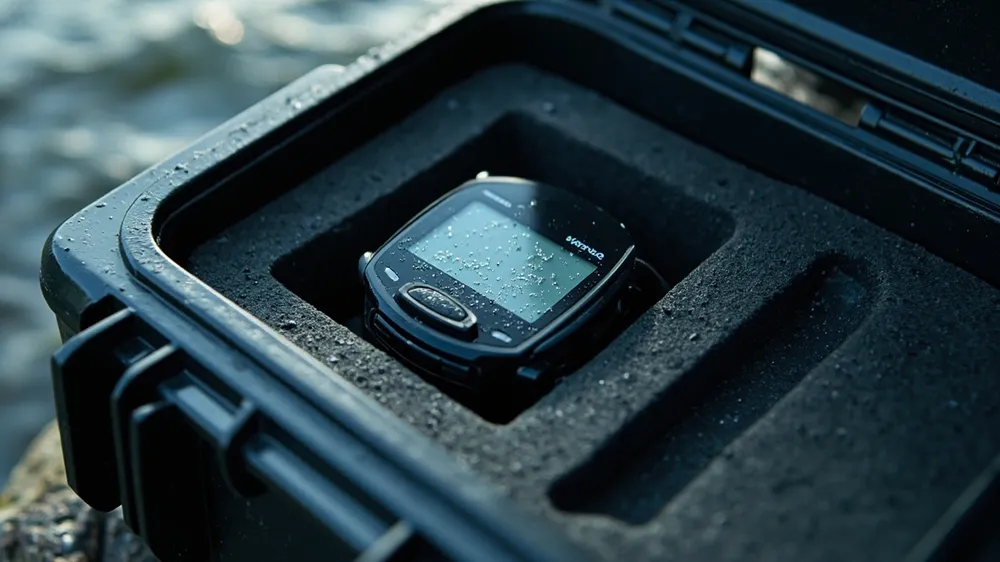
Protection Hard Specs
| Spec | Dive case delivers | Verify |
|---|---|---|
| Sealing | Real IP67, one-piece gasket | See IP69K vs IP67 |
| Corrosion | Stainless / coated hardware | See salt spray test |
| Shell | Weatherable PP | See UV weathering |
| Hardware | Metal pin, lockable | See hinge and latch durability |
| Condensation | Vent to avoid sweat | See condensation control |
Sealing: Block Spray, Not Steam
A real seal beads spray on the gasket. Check: gasket one-piece, lid evenly compressed, pressure valve present. Valve role in drone case IP67 waterproof; gasket ageing in gasket ageing and replacement. Note: after wet gear goes in, interior moisture must balance to avoid condensation.
Corrosion: Metal Is the Lifeline
Salt hurts metal most. Latches and hinges need stainless pins or anti-corrosion coating, see hinge and latch durability design; shells and liners not salt-tolerant age faster. Salt spray test in salt spray corrosion test.
Organisation: Findable on Deck
Liner layers by frequency: often-used (mask, computer) on top, spares (weights, tools) below. Points:
- Separate bays: fixed place per item, see liner design.
- Drain holes: liner drains, wet gear not pooled.
- Colour management: see colour visual management.
- Recuttable: see foam relining.
Material and Weatherability
Dive cases live in sea sun. Trade-offs in polycarbonate material and aluminium vs plastic case; recycled ages faster, see virgin vs recycled.
Boat and Transport
Dive cases ship on boats in sets. Stack limit and moisture in warehouse stacking and moisture; vehicle vibration in transport vibration testing; air carry in TSA lock airline cases.
Boat Habits
- Open off spray: under cover on deck, keep sand off gasket.
- Fresh rinse: rinse salt before closing, dry the gasket.
- Restock: each item to its slot, see colour management.
- Check hardware: periodically see if latch rusts.
Customisation Checklist
| Element | State | If missed |
|---|---|---|
| Gear list | Size, electronics, rust-prone | Liner unfit |
| Duty | Sea / boat / temp | Wrong material |
| Hardware | Stainless / lockable | Rusts solid |
| Cert | IP class | No evidence |
For requirements and negotiation see how to write a case RFQ and how to negotiate case price.
Pitfall List
First, trust the waterproof print — ask for the report. Second, hardware not stainless — latch rusts solid. Third, no valve — condensation. Fourth, recycled — see virgin vs recycled. Fifth, no drain — wet gear pools. Sixth, no salt rinse — faster corrosion.
In Summary
The dive case key is "seal, corrode, organise": a real one-piece gasket with an IP report blocks spray, stainless-pin hardware resists salt, and a frequency-layered liner keeps gear findable on deck. To start, write gear list (electronics and rust-prone), sea/boat duty, stainless hardware requirement and IP class as clauses, then ask the supplier for evidence. With habits of "open off spray, fresh rinse, restock each, check hardware", gear stays reliable across many dives. For waterproof and corrosion detail cross-read drone case IP67 waterproof and salt spray corrosion test.
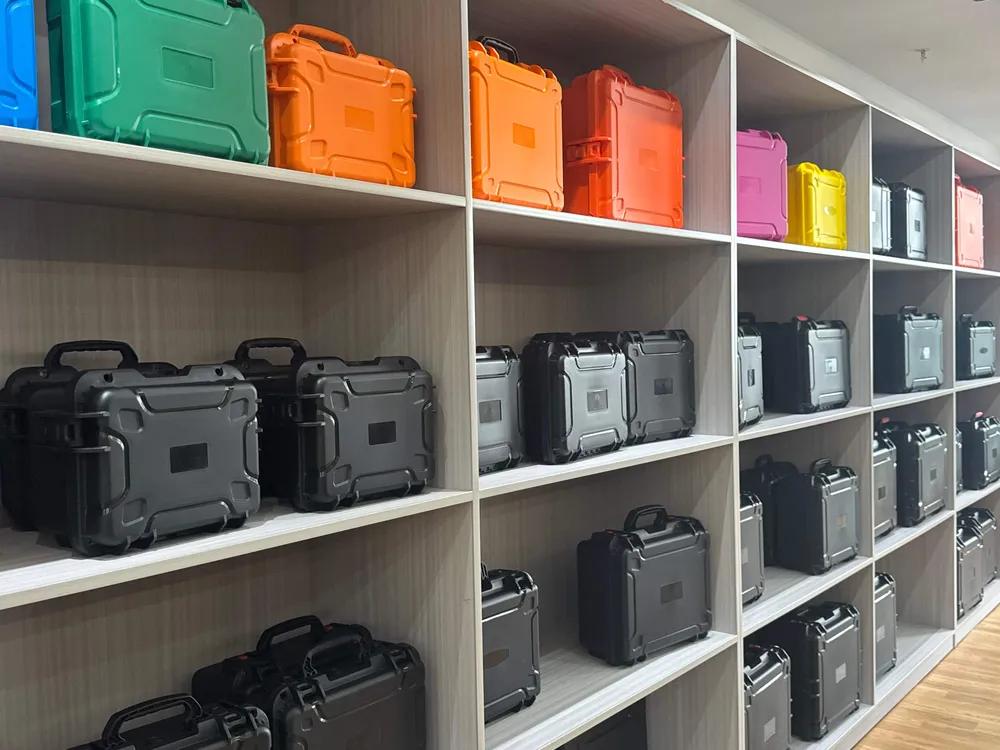
For specific gear liners see drone case foam insert design; for shell weathering see UV outdoor weathering.