

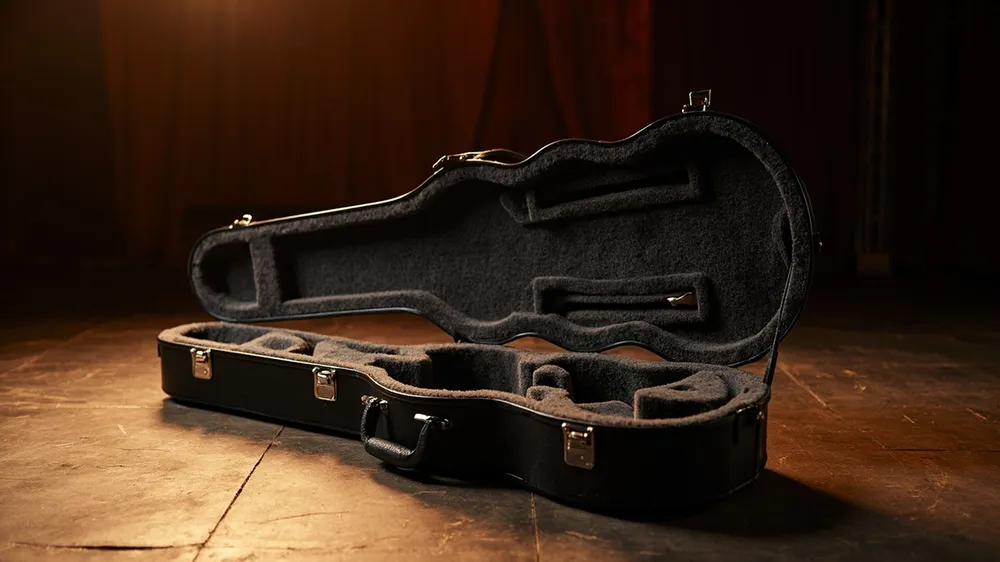
An instrument is a "singing precision part". A violin, a sax, a percussion kit are all sensitive to shock, humidity and temperature, and travel between venues for gigs, tours and sessions. They fear three things: crack from impact, warp from moisture, scuff in transit. A qualified instrument case isolates vibration, controls climate and survives being thrown in a van. This guide covers choice and use from a player's view.
Three Kinds of Damage
- Impact crack: body, keys, pickups fear drops and vibration.
- Moisture warp: wood absorbs and deforms, metal rusts.
- Scuff: hardware and finish scratch in transit.
Priority: cushion > climate > finish.
Protection Hard Specs
| Spec | Instrument case delivers | Verify |
|---|---|---|
| Suspension | Body floats, cavity grips rigid | See liner design |
| Climate | Humidity pack slot, vent | Check liner |
| Shell | Modified PP, light-tough | See wall and structure |
| Hardware | Metal pin, lockable | See hinge and latch durability |
| Sealing | Dust-proof, optional IP | See IP69K vs IP67 |
Suspension: Do Not Transmit Impact
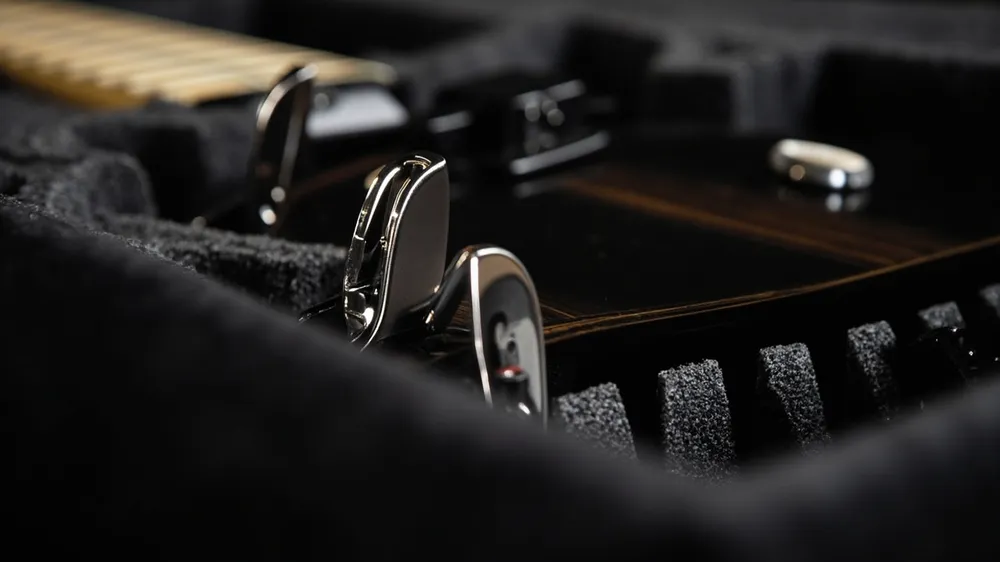
The body is the fragile main; the cavity touches only rigid features (neck block, endpin) and leaves the top floating. Method in drone case foam insert design (suspension idea); process in EVA thermoformed liner. Straps and cables run in separate channels, not on the body.
Climate: Humidity and Temperature
Wood instruments especially fear humidity swing. The case should:
- Humidity slot: liner reserves a desiccant / humidifier pack slot.
- Vent: not sealed long term, see condensation control.
- Temperature: material resists swing, see cold brittleness.
- Weatherability: see UV outdoor weathering.
Hardware and Finish Protection
Latches and hinges need metal pins, see hinge and latch durability design. Shell and liner add plush or soft facing to avoid finish scratches. For padlock see TSA lock airline cases.
Transport and Tour
Tours ship cases in vans. Vehicle vibration in transport vibration testing; stack limit and moisture in warehouse stacking and moisture; air checked in TSA lock airline cases.
Field Habits
- Control humidity: swap packs on long hauls, colour management in colour visual management.
- Restock: instrument in cavity, accessories in slots.
- Avoid sun: no direct cabin sun, park shaded.
- Clean: wipe liner on return.
Customisation Checklist
| Element | State | If missed |
|---|---|---|
| Instrument list | Size, fragile point, accessories | Liner unfit |
| Climate | Humidity / temp need | Wood warps |
| Transport | Van / air | Wrong lock |
| Finish | Scuff-free plush? | Finish scratched |
For requirements and negotiation see how to write a case RFQ and how to negotiate case price.
Pitfall List
First, ordinary foam — body needs suspension. Second, no humidity slot — wood warps. Third, no metal pin — loosens in thousands. Fourth, recycled — see virgin vs recycled. Fifth, no plush — finish scratched. Sixth, no humidity control — moisture on long haul.
In Summary
The instrument case key is "cushion, climate, finish": a suspended contoured cavity protects the body, a humidity slot with venting steadies the wood, and a plush liner avoids finish scratches. To start, write instrument list (fragile points and accessories), humidity/temp need, transport mode and scuff-free requirement as clauses, then ask the supplier for material and test evidence. With habits of "swap humidity packs on long hauls, instrument in cavity, cabin shaded, liner cleaned", the instrument sounds the same after many cities. For suspension and climate detail cross-read drone case foam insert design and condensation control.
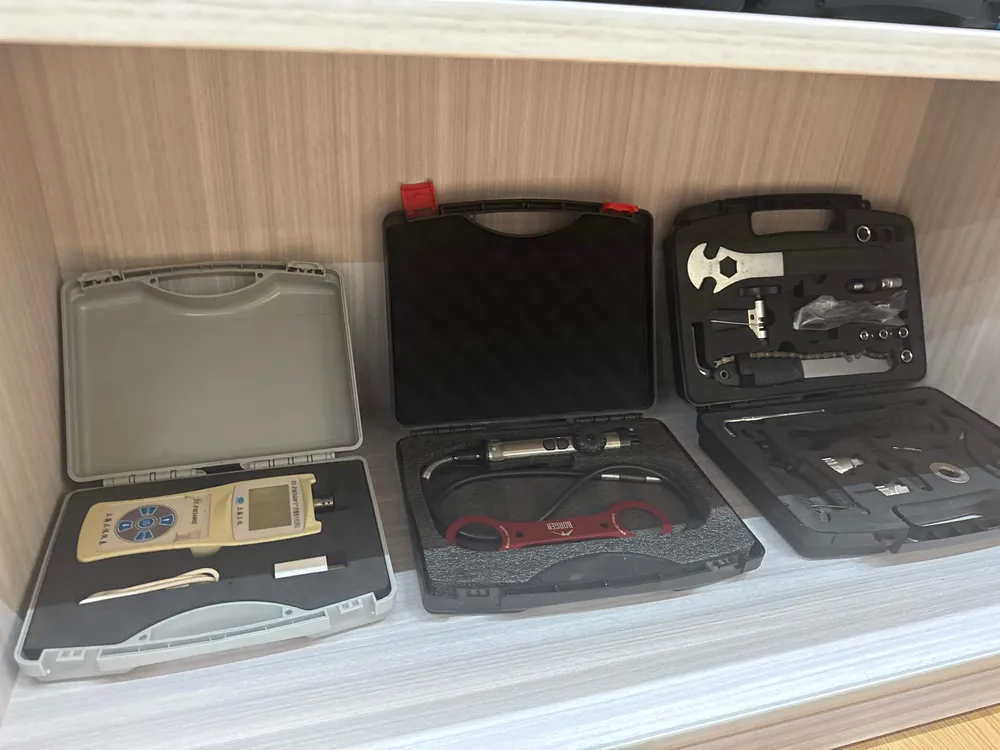
For specific instrument liners see drone case foam insert design; for shell structure see wall thickness and structure.