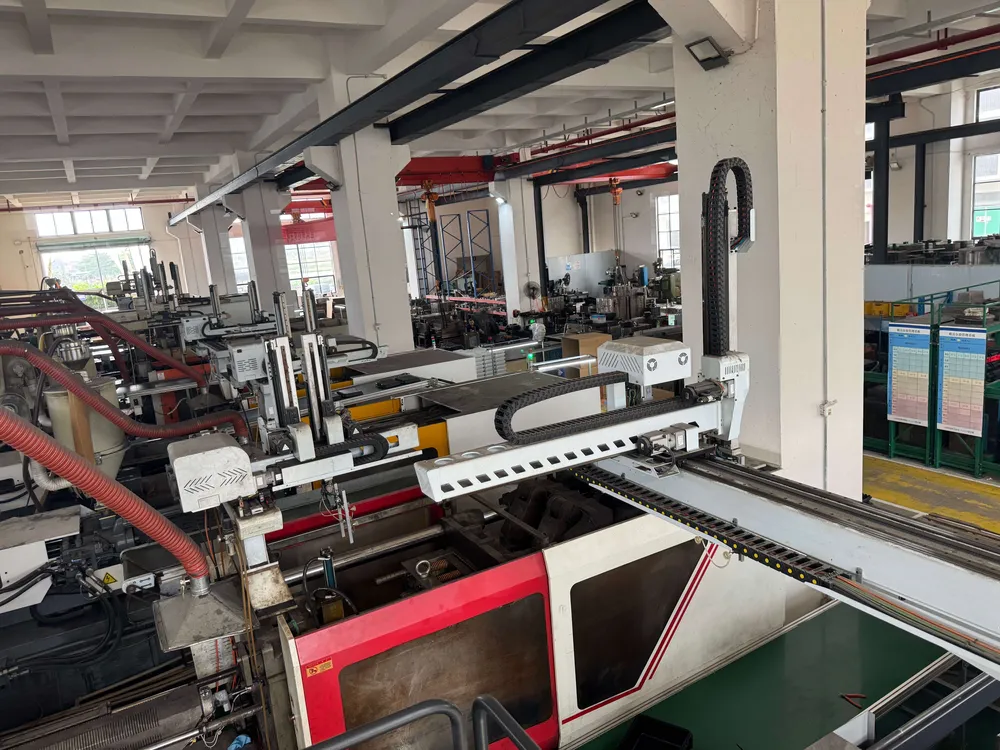


A robotics controller, an AGV module, a servo drive is a 'thinking precision part'. They are sensitive to shock, static and dust, and move between lines, plants and even countries. A plain carton resists dust but not drops, and a bare board is easily killed by static. A qualified industrial case absorbs impact, shields ESD, fixes modules and protects connectors and boards through factory-vehicle vibration. This guide covers choice and use from a device engineer's view.
Two Kinds of Industrial Damage
- Impact loss: boards and connectors fear drops and vibration.
- Static kill: dry shops fry chips via ESD.
- Dust foul: open storage collects dust and hurts cooling.
Priority: ESD > cushion > fixing.
Hard Protection Specs
| Spec | Industrial case delivery | Verify |
|---|---|---|
| ESD | conductive foam + ground | see ESD case |
| Cushion | module floats | see foam design |
| Fixing | fitted cavity | see custom foam |
| Shell | PP/ABS optional | see injection vs rotomold |
| Mil-spec | MIL-STD-810H optional | see mil-spec |
ESD: The Invisible Killer in Dry Shops
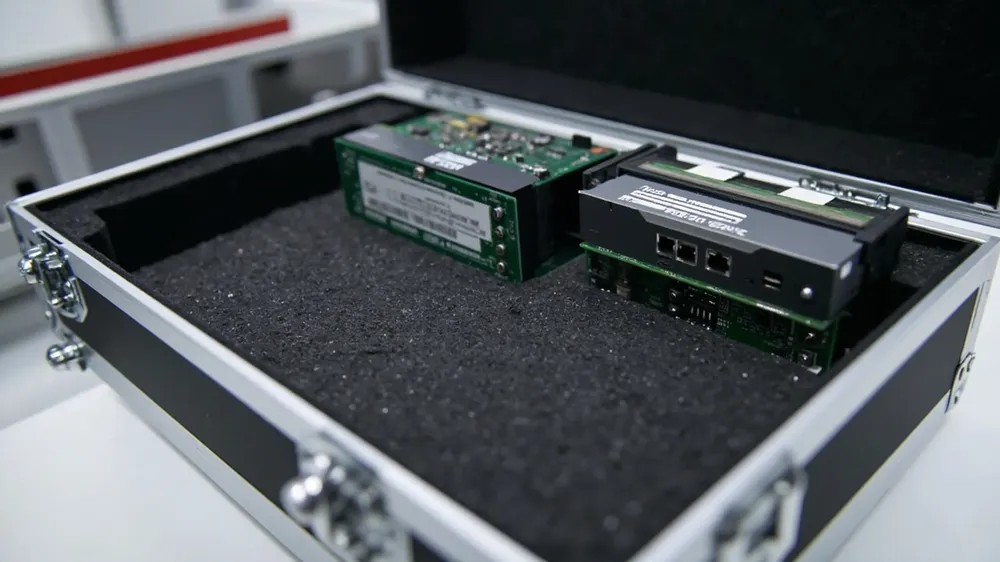
Automation shops are dry and highly static. For static protection choose conductive foam and a ground tab, isolate each board, see anti-static case; the same logic applies to boards in semiconductor handling cases. Discharge yourself before opening the case.
Cushion and Fixing
- Fitted foam: cut cavities to the module shape, see custom foam guide.
- Suspension: float the fragile parts, see drone case foam design.
- Temp range: material resists temperature swing, see cold brittleness.
- Sealing: dustproof IP optional, see IP67 explained.
Hardware and Cross-Plant
Latches and hinges need metal pins, see hinge and latch durability. Wheeled models in wheeled case guide; valve in equalization valve; export compliance in export packaging compliance.
Transport and Plant
The case rides in plant vehicles and on forklifts. Vehicle vibration in transport vibration testing; stack height and moisture in warehouse stacking. Sizing in how to size a case.
Custom Spec Sheet
| Element | Write it | If omitted |
|---|---|---|
| Module list | model, size, fragile points | won't fit |
| Static | ESD requirement | breakdown |
| Transport | in-plant/cross-plant/export | wrong lock |
| Port | protect ports or not | loosen |
Write the RFQ and negotiate in how to write a case RFQ and how to negotiate price.
Pitfall List
First, no ESD: dry-season breakdown. Second, plain foam: boards must float. Third, no metal pin: loosens after thousands of cycles. Fourth, recycled resin: see virgin vs recycled. Fifth, no seal: dust collects. Sixth, no moisture control: long-haul damp.
Summary
The key to an industrial case is 'ESD, cushion, fixing, finish': conductive foam with a ground tab blocks ESD breakdown, a floating cavity protects boards and connectors, a fitted liner fixes modules without shift, and metal latches survive frequent opening. On the ground, write the module list (with fragile points and ports), the static requirement and the transport mode as clauses, then ask the supplier to prove material and testing. With the habits of 'discharge before opening, float modules in place, shade plant vehicles, clean on return', smart modules stay stable across plant moves. For static and suspension, revisit anti-static case and drone case foam design.