

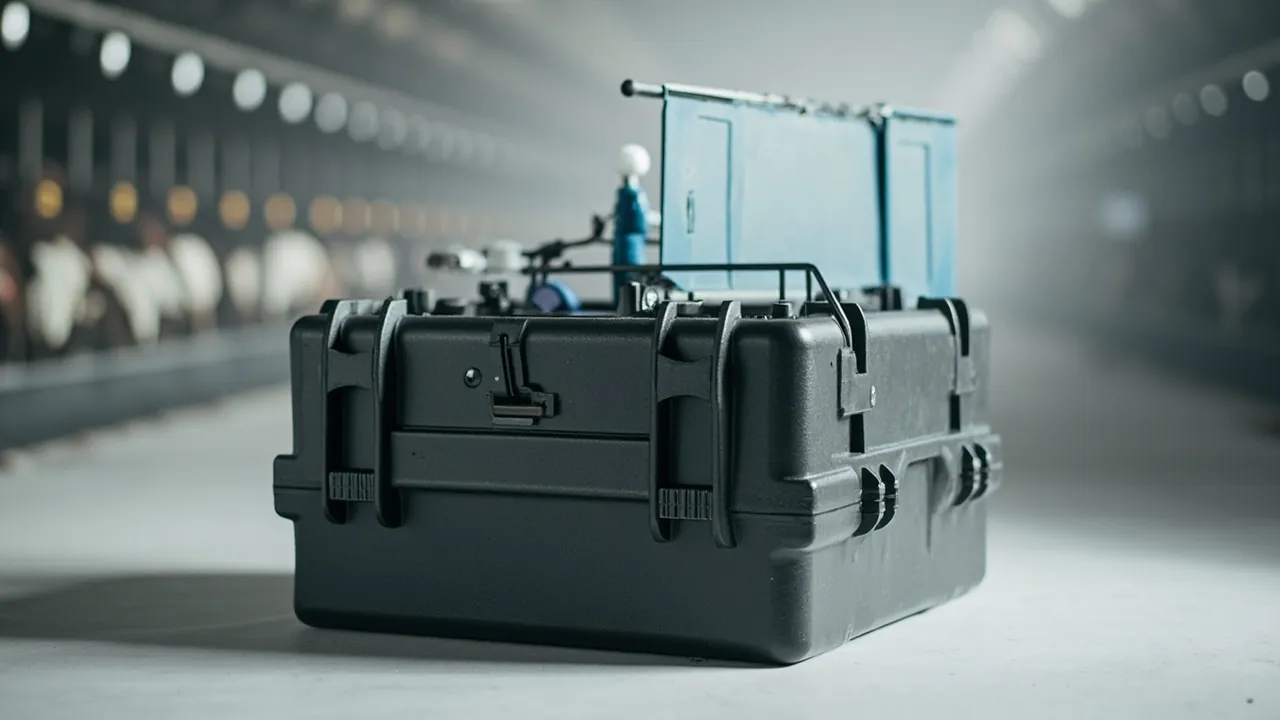
Livestock farming equipment cases work in one of the harshest composite corrosion environments in any industry. In the equipment room of a modern dairy or pig farm, the air carries ammonia year round, relative humidity sits near saturation, floors are hosed down daily with high-pressure water, detergents and disinfectants are sprayed repeatedly, and the slurry of manure and urine is alkaline and microbiologically active. Feeding controllers, milking pulsators, milk meters, pedometers, load cells, and identification readers are precisely the components most sensitive to moisture, corrosion, and static discharge. Getting this equipment safely to the farm and keeping it ready to use after long storage in an equipment room depends not on wall thickness but on four things working together: ammonia- and alkali-resistant materials, high-rating sealing, hygienic inserts, and a washable case body.
Farm equipment managers and contractors report four recurring problems: pulsators drifting out of rate because of moisture or milk-stone buildup, milk meters losing accuracy after storage, controller terminals oxidizing and causing intermittent communication faults, and teat cup liners and milk tubes aging prematurely under ozone and detergent exposure. The harder issue is biosecurity. A case left beside a manure channel that cannot be effectively cleaned becomes a vector for pathogen transfer. This article follows the path of environment modeling, equipment breakdown, failure mechanism, material and sealing selection, insert and hygiene design, then acceptance and biosecurity, and provides specification parameters, size classes, a compatibility table, and an inspection checklist.
Table of Contents
- 1. Protection Goals for Livestock Equipment Cases: Moisture, Corrosion, and Hygiene
- 2. Feeding and Milking Equipment Breakdown and Weak Points
- 3. Combined Corrosion from Ammonia, Moisture, and Detergents
- 4. Ingress Ratings and Washdown Protection: IEC 60529 and GB/T 4208
- 5. Hygiene Compliance and Contact Materials: The Boundaries of GB 4806
- 6. Vibration and Impact: Pulsators, Meters, and Glass Components
- 7. Insert Design: Compartments, Racks, and Drainage
- 8. Rubber Parts and Seals: Teat Cup Liners, Milk Tubes, and O-Rings
- 9. Sensors and Electronics: Pedometers, Readers, and Controllers
- 10. Temperature-Sensitive Items: Veterinary Drugs, Samples, and Cold Chain
- 11. Cleanability by Design: Hygiene Requirements for the Case Itself
- 12. Size Classes and Selection: From the Milking Parlor to the Feed Room
- 13. Marking, Traceability, and Biosecurity Management
- 14. Reliability of Hinges, Latches, and Gaskets
- 15. OEM/ODM Customization and Sample Control
- 16. Acceptance, Inspection, and Life-Cycle Management
- Frequently Asked Questions
- Conclusion and Related Reading
1. Protection Goals for Livestock Equipment Cases: Moisture, Corrosion, and Hygiene
The environment on a livestock farm differs enormously from a general industrial plant. Modeling it first is what makes material and rating choices defensible.
Air composition. Ammonia levels in ruminant housing remain elevated over long periods. Ammonia dissolves in water to form a weakly alkaline solution that is noticeably corrosive to copper and its alloys, and that carries stress-cracking risk for materials such as polycarbonate. Hydrogen sulfide and organic acids are also present and accelerate corrosion at electrical contact points.
Humidity. Relative humidity in milking parlors and along manure channels stays high, with abundant condensation. The combination of high humidity and ammonia is the primary driver of terminal oxidation and electrochemical migration on PCBs.
Washdown and disinfection. Milking equipment and floors are cleaned daily using clean-in-place cycles or manual washdown, alternating alkaline detergents, acid descalers, and chlorine-based disinfectants. A case kept in the parlor encounters repeated spray and splash.
Microorganisms and biosecurity. Cases and tools move around the farm and may contact manure, milk, and instruments used on sick animals. If a case has uncleaned crevices, it will carry pathogens indefinitely.
Temperature. Barn interior heat alternates with winter cold, and outdoor farm sites add strong ultraviolet exposure.
Against this background, the protection goals for a livestock equipment case are fivefold.
- Isolate moisture and corrosive gases, especially protecting electronics and terminals.
- Resist repeated washdown and chemical cleaning, including case materials and gaskets.
- Provide a cleanable, disinfectable hygienic design with no dead corners, effective drainage, and fast drying.
- Withstand transport vibration and impact, protecting pulsators, meters, and glass instruments.
- Support fast retrieval and reset on the farm, because the maintenance window is tightly constrained by milking shifts.
Key judgement: selecting a livestock equipment case as though it were an outdoor toolbox is the most common error. An ordinary toolbox addresses neither ammonia corrosion nor post-washdown drainage and drying, and it fails basic hygienic design requirements.
JUNZHJIA supplies the livestock equipment supply chain with configurations that treat an alkali- and ammonia-resistant gasket, a drainage-capable insert base, a fully washable case structure, and hygienic radiused corners as standard, so the case serves both as factory packaging and as a long-term spare-parts case kept in the parlor.
2. Feeding and Milking Equipment Breakdown and Weak Points
Grouping by failure mechanism, livestock equipment falls into six categories.
Group one: milking system core components. Teat cup assemblies, liners, pulsators, milk collectors, milk meters, automatic detachers, and vacuum regulators. The dominant mechanisms are milk stone and mineral scale, rubber aging, pulsation passage blockage, and mechanical damage during disassembly. Pulsators are precision pneumatic devices whose diaphragms and air passages are extremely contamination sensitive.
Group two: feeding system components. Feeding controllers, TMR mixer load cells, feed gate actuators, feed pusher robot sensors, and estrus and intake monitoring devices. Dominant mechanisms are dust and moisture ingress, load cell overload and shock, and gearbox water ingress.
Group three: identification and sensing components. Electronic ear tag readers, collar transponders, pedometers, rumination sensors, and parlor identification antennas. Dominant mechanisms are ESD, terminal oxidation, and solder joint cracking under strong vibration.
Group four: valves and pneumatic components. Vacuum solenoid valves, water valves, wash valves, and quick couplers for air and water lines. Dominant mechanisms are coil corrosion from ammonia and detergents, foreign matter jamming sealing faces, and thread damage at connections.
Group five: rubber and hose components. Teat cup liners, milk tubes, vacuum lines, O-rings, and diaphragms. Dominant mechanisms are ozone cracking, swelling and hardening from detergents, and compression set. Liners are consumables, but the rate at which they degrade during storage is routinely underestimated.
Group six: glass and instrument components. Vacuum gauges, level indicators, sight glasses, and colorimetric components in rapid milk composition testers. The mechanism is breakage and scratching, purely physical.
| Component group | Typical parts | Dominant failure mechanism | Key protective measure | Standards reference |
|---|---|---|---|---|
| --- | --- | --- | --- | --- |
| Milking core components | Pulsators, milk meters, collectors, vacuum regulators | Milk stone scaling, rubber aging, air passage blockage | Port capping, dedicated compartments, moisture-controlled insert | ISO 4413 (fluid power context), IEC 60529 |
| Feeding components | Feeding controllers, load cells, feed actuators | Dust and moisture ingress, overload shock, gearbox water ingress | Sealed dust protection, restrained cushioning, desiccant | GB/T 4208, GB/T 4857 |
| Identification and sensing | Ear tag readers, pedometers, collars | ESD, terminal oxidation, solder cracking | ESD-safe insert, moisture barrier packing, surface-contact restraint | IEC 61340 (ESD context), IEC 60529 |
| Valves and pneumatics | Vacuum solenoids, water valves, wash valves, couplers | Coil corrosion, sealing face jamming, thread damage | Port caps, alkali-resistant seals, compartmental restraint | ISO 4413, UL94 (material context) |
| Rubber and hose | Liners, milk tubes, vacuum lines, diaphragms | Ozone cracking, swelling and hardening, compression set | Shade and heat separation, uncompressed storage, material-based compartments | GB/T 4857, UL94 |
| Glass and instruments | Vacuum gauges, level indicators, sight glasses | Breakage, scratching | Isolated cavities, soft wrap, never share with heavy parts | GB/T 4857 series |
This table reveals two conclusions. First, rubber parts and electronics must be in separate cases or strictly separated zones: plasticizers and ozone released by rubber accelerate metal corrosion, and electronics are the most corrosion-sensitive contents. Second, precision pneumatic components such as pulsators need three protections at once: port capping, dedicated compartments, and moisture control.
3. Combined Corrosion from Ammonia, Moisture, and Detergents
Understanding the corrosion mechanism is what explains why livestock equipment case materials cannot be copied from agricultural or industrial enclosures.
Ammonia attack on copper and copper alloys. In the presence of oxygen and moisture, ammonia forms soluble copper-ammonia complexes with copper, appearing as green surface deposits and progressive thinning that eventually causes poor contact and open circuits. Terminals, relay contacts, and motor commutators inside equipment cases are all high-risk. The countermeasure is preventing long-term copper exposure to ammonia-laden humid air through sealing and desiccant, and using nickel or tin plating on components that must remain exposed.
Ammonia-induced stress cracking in polymers. Some polymers, polycarbonate in particular, undergo environmental stress cracking under ammonia, amines, and certain cleaning agents, appearing as sudden cracks at stress concentrations such as screw holes and snap-fit roots. Material selection should verify chemical resistance data, and structures should use radiused transitions to reduce stress concentration.
Electrochemical migration from high humidity. With high humidity plus ionic contamination from ammonia, detergent residue, and feed dust, an electrolyte film forms on PCB surfaces, metal ions migrate, and dendrites grow between adjacent conductors, producing low-resistance shorts. Controllers and identification modules in livestock equipment are especially sensitive.
Combined effects of cleaning agents. Alkaline detergents attack aluminum, acid descalers damage the passive film on stainless steel, and chlorine-based disinfectants aggravate stainless pitting. Metal components in the case should therefore carry a specified grade with documented compatibility against the cleaning agents used, rather than a generic "stainless steel" note.
Wet-dry cycling and scaling. When residual water evaporates from component surfaces after washing, it leaves mineral and protein deposits that form a scale layer. That layer itself is hygroscopic and sustains local moisture, becoming a continuous corrosion source. Drainage and drying after washing is therefore what distinguishes a livestock equipment case from cases built for other industries.
| Corrosion factor | Mainly affected materials | Typical symptom | Countermeasure |
|---|---|---|---|
| --- | --- | --- | --- |
| Ammonia, alkaline humid air | Copper and copper alloy terminals, contacts | Green surface deposits, rising contact resistance, open circuits | Sealed isolation, desiccant, plated protection |
| Ammonia and amines | Polycarbonate-type components | Cracking at stress concentrations | Verify chemical resistance, radius to reduce stress |
| High humidity plus ionic contamination | PCBs and connectors | Electrochemical migration, dendrite shorts | High-barrier packing, desiccant, conformal coating |
| Alkaline detergents | Aluminum parts, coatings | Dulling, pitting, coating loss | Specify alloy grade and coating system |
| Acid descalers | Stainless passive film | Pitting, rust spots | Choose higher-corrosion grades, limit contact time |
| Chlorine disinfectants | Stainless steel, seals | Pitting, seal hardening | Fresh-water rinse after washing, avoid soaking |
| Wet-dry residue | Metal and rubber surfaces | Scaling, sustained local moisture | Drainage structure, cleanable insert |
| Ozone from motors and UV | Rubber parts | Cracking, loss of elasticity | Shade, keep away from motors |
Engineering note: corrosion protection for livestock equipment cases cannot rely on materials alone. Desiccant sizing and drainage design matter no less than material selection, because the driving force behind corrosion is water, and water on a farm cannot be fully excluded. It can only be controlled through sealing and drying.
4. Ingress Ratings and Washdown Protection: IEC 60529 and GB/T 4208
IEC 60529 and GB/T 4208 define the IP code for enclosure protection. The common targets for livestock equipment cases are IP54, IP65, IP66, and IP67, and selection depends on whether the case sits inside the parlor and whether high-pressure hoses are used near it.
IP54, dust protected with limited ingress plus splash resistance. Suitable for feed rooms, dry equipment rooms, and one-time factory shipping packaging. Adequate for cases with no electronics used in dry areas.
IP65, dust tight plus water jet resistant. Covers rain, spray, and low-pressure washdown, and is the most common baseline. Suitable for cases inside parlors or feed rooms that are wiped and hosed on the exterior periodically.
IP66, dust tight plus protection against powerful water jets. Corresponds to direct high-pressure hose washdown. Because livestock farms routinely use high-pressure hoses on floors and equipment, IP66 is the more realistic target if a case must remain in the wash path.
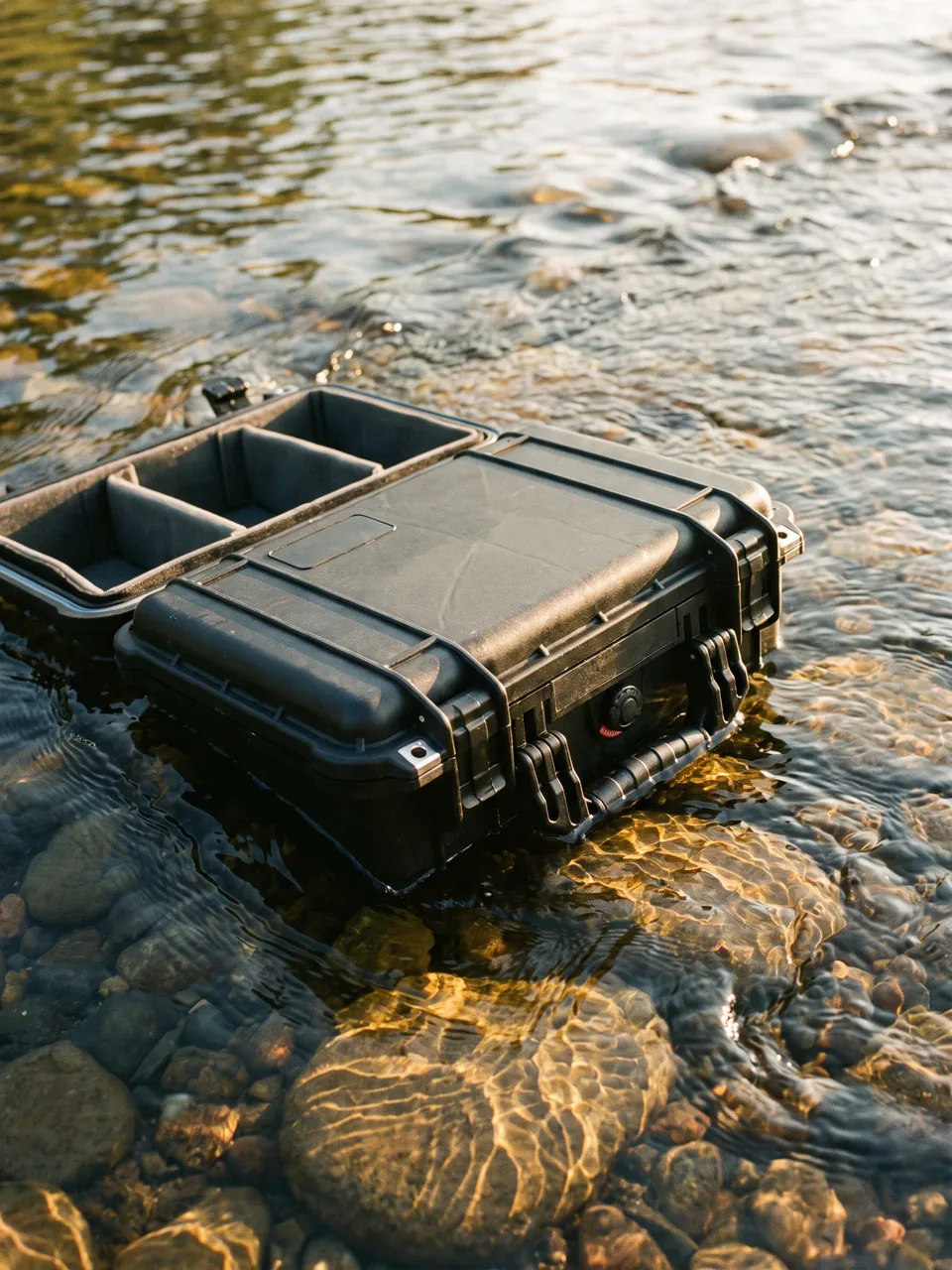
IP67, dust tight plus temporary immersion. Corresponds to conditions where wash water may pool on the floor or where whole-case immersion cleaning is used. Note that IP67 usually approaches airtight and brings pressure differential issues.
| Target rating | Dust capability | Water capability | Typical livestock scenario | Structural cost and support |
|---|---|---|---|---|
| --- | --- | --- | --- | --- |
| IP54 | Dust protected, limited ingress | Splash resistant | Feed room, dry equipment room, factory packaging | Low; no equalization needed |
| IP65 | Dust tight | Water jet resistant | Inside parlor, low-pressure exterior washdown | Medium; continuous gasket plus rigid mating surface |
| IP66 | Dust tight | Powerful water jet resistant | Within high-pressure hose wash path | Higher; reinforced sealing faces and latch clamping |
| IP67 | Dust tight | Temporary immersion | Pooled wash water, whole-case immersion cleaning | High; pressure equalization usually required |
Three engineering details deserve emphasis. First, the impact pressure of a high-pressure hose far exceeds IP test conditions; even a case rated IP66 can leak momentarily if the spray angle points directly at the sealing face. Orient sealing faces away from the main spray direction, or mark the permitted wash direction on the case. Second, an IP rating is not a permanent property, and gaskets age faster under ammonia and detergent exposure. Third, a case that is not opened and ventilated after washing can develop a high-humidity microclimate inside from residual vapor, so it should be wiped dry or have its desiccant replaced promptly.
The practical meaning of ingress ratings is explained in Understanding Case IP Waterproof Ratings and IP67 Protective Case Applications, and the matching logic between gaskets, hinges, and latches in Toolbox Hinge, Latch, and Gasket Selection.
5. Hygiene Compliance and Contact Materials: The Boundaries of GB 4806
Hygiene requirements for livestock equipment cases fall into two distinct levels that should never be conflated.
Level one: cleanability and disinfectability of the case itself. This belongs to hygienic design and focuses on whether surfaces are smooth, whether crevices and dead corners exist, whether drainage works, and whether materials resist detergents and disinfectants. Specific requirements are:
- Radiused transitions in the interior cavity rather than sharp dead corners that trap soil.
- A removable gasket so the sealing channel can be cleaned.
- Drainage holes or a liftable drainage insert at the base to prevent standing water.
- Moderate surface roughness that neither retains soil nor scratches easily.
- Materials that resist common detergents and disinfectants without swelling, dulling, or cracking.
Level two: material compliance for components that contact food. This has a defined regulatory boundary. Milk tubes, liners, and any component that may contact raw milk directly should meet food contact material requirements. In China, the relevant reference is the GB 4806 series, the national food safety standard for food contact materials and articles, applied to the specific material type. For the European Union, Regulation EU 10/2011 and related measures apply; for the United States, the relevant FDA provisions apply.
Boundary note. It should be clear that a case body normally does not contact food directly and therefore generally falls outside GB 4806 food contact requirements. However, if insert materials, compartment parts, or packaging bags do contact raw milk, dairy products, or veterinary drugs, those specific materials must meet the applicable compliance requirements and the supplier should provide a compliance statement or test report. Writing this boundary clearly into the technical agreement avoids post-delivery disputes.
Purchasing recommendation: require the supplier to distinguish "case structural materials" from "food contact component materials" in technical documentation, stating the applicable compliance basis for each. Dairy supply chain audits frequently ask for exactly this.
6. Vibration and Impact: Pulsators, Meters, and Glass Components
The route from factory to farm usually includes long highway sections plus unpaved access roads, so the vibration environment is more severe than urban distribution. Three categories dominate anti-vibration design.
Precision pneumatic components such as pulsators and vacuum regulators. Internal diaphragms and air passages have extremely small clearances. Vibration rarely destroys them directly, but particle ingress and diaphragm deformation under compression during transport cause real failures. The insert design priority is therefore not cushioning alone but port capping, attitude restraint, and avoiding compression. Diaphragm-type parts should never be clamped with foam interference.
Metering and weighing components. Milk meters, load cells, and flow meters have defined overload directions and rated capacities. Transport shock can exceed these, causing permanent accuracy drift. Inserts should use support structures aligned with the sensor's load direction so shock forces are carried by the structure rather than the sensing element.
Glass instrument components. Vacuum gauges, level indicators, and sight glasses need isolated cavities with soft wrapping, and must never share a compartment with pumps or valve blocks.
For transport testing, the ISTA series, from the International Safe Transit Association, emphasizes reproduction of real distribution chains, while the GB/T 4857 series covers basic test methods for transport packages in China, including drop, stacking, vibration, and impact. For livestock equipment cases, cover at minimum:
- Worst-case attitude drop, checking latch function and permanent gasket flattening.
- Random vibration, checking that port caps stay in place, fasteners do not back out, and inserts do not shift.
- Stacking, applying static compression at the actual number of levels plus margin and checking sidewall bulging.
- Retest after temperature and humidity preconditioning, which more readily exposes problems such as gasket softening, since conditioning precedes the mechanical test.
Test workflow and acceptance criteria are covered in Understanding the ISTA Transport Packaging Test Procedure and GB/T 4857 Transport Packaging Testing and Case Validation. The environmental test methods in MIL-STD-810H, covering temperature, humidity, vibration, and shock, can serve as a methodological reference, with the explicit note that it is used here only as an environmental test basis and does not imply military certification. For livestock equipment makers exporting internationally, referencing multiple systems in the technical agreement allows validation data to be reused.
7. Insert Design: Compartments, Racks, and Drainage
Insert design in livestock applications carries two requirements that other industries do not have: drainage and cleanability.
Material selection needs an added axis of alkali and detergent resistance. EVA offers good rebound and precise cutting for precision and irregular parts. PE foam, including XPE and IXPE, costs less, has higher compressive strength, and its closed-cell structure absorbs little water, which makes it generally better than EVA where frequent washing and drainage are required. PU foam cushions well but hydrolyzes in high humidity, so it should be used carefully or avoided entirely on farms.
Drainage structure is the core differentiator. Three common approaches:
- Liftable drainage insert. A two-layer design with a grooved base below and a liftable parts tray above. After washing, the upper tray lifts so water drains along the base channels.
- Base channels and drainage holes. Drainage holes in the case base with an insect screen to prevent ingress, letting accumulated water exit naturally.
- Fully removable inner liner. The liner lifts out for independent washing, draining, and drying while the case body is cleaned at the same time.
Compartments and racks. Components that need to stand upright, such as pulsators, liners, and meters, are better served by vertical slots or racks than flat positions, both for identification and one-handed retrieval and to avoid deformation under flat compression. Hose-type items such as milk tubes and vacuum lines should use large-radius coiled channels to avoid permanent creases from forced bending.
Material-based separation. Rubber parts such as liners, diaphragms, and O-rings must be stored separately from electronics and copper components, for the reasons given earlier. Use a two-dimensional grid of material and specification with material codes marked in each compartment.
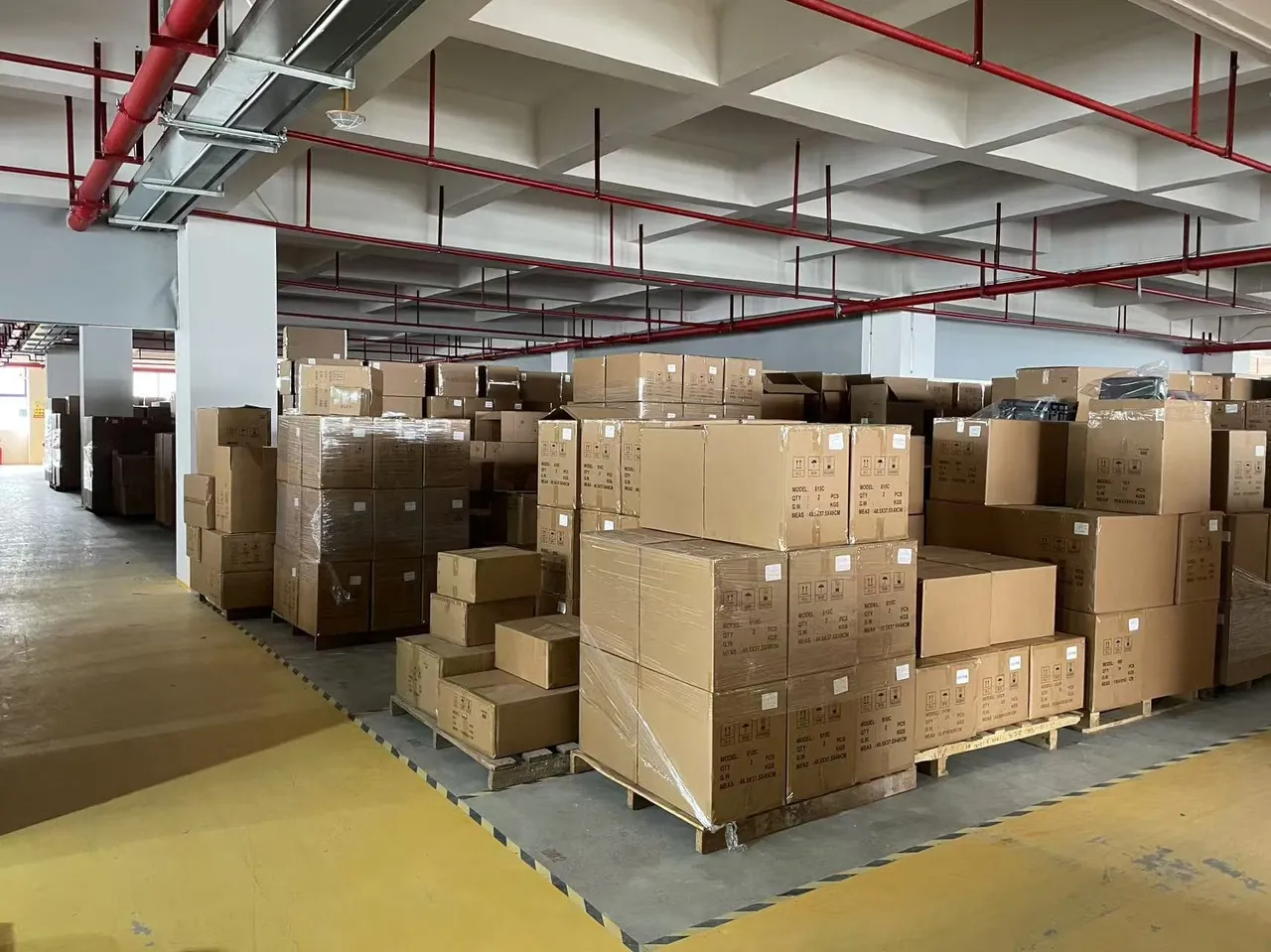
Retrieval path design. Maintenance windows on a farm are tightly constrained by milking shifts, often to a few dozen minutes, so high-frequency items must have the shortest retrieval time. Pulsators, liners, O-rings, and common tools belong in upper fast-access positions; low-frequency spares go to the base layer. Partitioning logic is covered in Removable Divider Systems for Protective Cases, and the full insert process in Custom Foam Insert Design Guide and EVA Foam Insert Customization Process.
8. Rubber Parts and Seals: Teat Cup Liners, Milk Tubes, and O-Rings
Rubber parts make up a large share of livestock equipment and are consumed quickly, yet they are the category most often ruined by casual storage.
Failure mechanisms. Teat cup liners and milk tubes fail for three reasons: ozone and UV aging, appearing as surface cracking; swelling and hardening from detergents and disinfectants; and compression set from long-term loading. Combined, these change liner bore and elasticity, which then affects milking performance.
Storage attitude. Liners and diaphragms should be stored loosely or supported upright, never compressed long term. Milk tubes should be coiled at a large radius or stored straight, never folded into tight bends. Vacuum and silicone tubing should be kept away from grease and solvents.
Shade, heat separation, and distance from electrical equipment. Ozone is generated mainly by motors, welding, and UV. Rubber parts should not be stored near motors or variable-frequency drives, the case should block light, and storage temperature should be kept as low as practical.
Material-based compartmentalization. NBR, EPDM, silicone, and FKM differ markedly in resistance to detergents and disinfectants. EPDM performs well with hot water and polar media, while silicone has a wide temperature range but poor oil resistance. Mixing them in one compartment leads to wrong-material replacement in the field and short-term failure. Use material codes in separate labeled compartments.
Packaging condition. Rubber parts normally ship with talc or a food-grade release agent to prevent self-adhesion. That layer should not be washed off during storage unless the part is being used immediately. If cleaning is required, use a material-compatible method and dry thoroughly.
Shelf-life management. Rubber parts have storage limits, and parts beyond that limit should be evaluated even if unused. Provide a receipt date and batch number field on the case and manage on a first-in-first-out basis.
9. Sensors and Electronics: Pedometers, Readers, and Controllers
Livestock equipment is becoming more intelligent, and electronics now account for a growing share of spares. Their protection logic follows three main lines.
ESD. Ear tag readers, pedometers, and collar transponder modules are vulnerable to electrostatic discharge during handling. Effective measures include conductive or static-dissipative insert foam, ESD shielding bags for individual units, a grounding terminal in the case for equipotential bonding at the service bench, and wrist straps for technicians. Related design thinking appears in ESD Shielding Case Solutions.
Moisture and ammonia. High humidity and ammonia on farms are the main drivers of terminal oxidation. Apply a three-layer combination of high-barrier bag, desiccant, and sealed case, plus contact protection grease on connectors. Note that grease selection must be compatible with connector materials, or it will swell insulation components.
Vibration and surface-contact restraint. PCB solder joints in controllers and reader modules can crack under high acceleration. Insert restraint should maximize contact area rather than using point contact, which concentrates stress. For modules with antennas, avoid placing metal parts directly against the antenna, which degrades RF performance.
Harness management. Harnesses should not be forced into small coils or placed under heavy components. Reserve a dedicated layer or side zone, secure them to insert posts with ties, and fit protective caps on connectors.
10. Temperature-Sensitive Items: Veterinary Drugs, Samples, and Cold Chain
Livestock equipment cases sometimes also carry temperature-sensitive items such as veterinary drugs, vaccines, mastitis test samples, and milk composition samples. That use imposes additional requirements.
Defining the temperature control target. Start by defining whether the requirement is ambient with light protection, refrigerated, typically in the 2 to 8 degrees Celsius band, or frozen. Each target corresponds to a different case structure, insulation thickness, and cooling source. Discussing an insulated box without a defined temperature target is meaningless.
Temperature monitoring. Fit a temperature logger, or at minimum readable temperature indicator labels, to document the thermal exposure across the entire journey. For regulated applications such as vaccines, a temperature record is a necessary condition.
Sample cross-contamination prevention. Test samples belong in individual sealed containers within a dedicated sample zone physically separated from tools and spares. That zone should lift out as a unit for cleaning.
Interface with cold chain packaging. Where a case is used for cold chain transport, refer to the insulation structure, cooling source placement, and temperature validation approach in Cold-Chain Food Transport Case Design. Note that livestock sample requirements are usually stricter than food requirements, because a failed sample invalidates the test result outright.
Compliance note. Transport of veterinary drugs and biological samples is subject to local veterinary drug administration and biosecurity regulations, particularly the packaging layers of primary receptacle, secondary packaging, and outer packaging, plus labeling requirements. That is a regulatory matter and should be confirmed with compliance staff early in the project.
11. Cleanability by Design: Hygiene Requirements for the Case Itself
If the case itself cannot meet hygiene requirements, it turns from a protection tool into a contamination source. Six checks cover cleanability by design.
- No dead corners in the cavity. All interior transitions should be radiused, with no deep narrow gaps that cannot be wiped. The gasket channel should open for cleaning.
- Drainage. The base should have drainage and flow channels, or a liftable drainage insert, so no water remains after washing.
- Removable insert. The insert should lift out without tools for separate cleaning and drying.
- Surface condition. Surfaces should be smooth, non-porous, and non-retentive. No exposed wood or paper components, which absorb moisture, resist cleaning, and harbor microorganisms.
- Detergent resistance. Materials should resist common alkaline detergents, acid descalers, and chlorine disinfectants without swelling, dulling, cracking, or color migration.
- Drying friendly. The case should ventilate and dry quickly when open, with no water-trapping recesses or blind holes.
Matching the disinfection method. Disinfection practice varies widely across farms, from spray and wipe to, in some cases, hot water or steam. Confirm the method at selection and verify material temperature and chemical resistance. Hot water or steam in particular requires attention to the heat deflection temperature of materials and the temperature rating of gaskets.
Care after washing. After washing, leave the case open to dry, check that no water remains in the gasket channel, and confirm that drainage holes are not blocked by feed or bedding. Complete cleaning and care methods are covered in How to Clean a Protective Case.
12. Size Classes and Selection: From the Milking Parlor to the Feed Room
Selection should start from the downstream handling unit and working method. Livestock equipment cases serve five main handling units: the equipment room bench in a milking parlor, a service or tool cart, standard pallets, racking, and manual carrying.
Manual handling limits. For a case one person carries frequently, a loaded mass under roughly 25 kg is a reasonable target. Parlor passages are often occupied by cattle and floors are wet and slippery, so portability matters more than in field machinery. Aim for under 20 kg where possible.
Parlor space fit. Available space inside a parlor is extremely limited, so cases should support vertical stacking or wall mounting and allow label reading without opening. If a case must sit in the wash path, choose a form with a drip lip or sloped top so water does not pool on the lid.
Feed room and store fit. Feed rooms are dusty, so prefer light-colored, easily wiped surfaces and avoid textured surfaces that retain dust.
Pallet and racking fit. For 1200 x 1000 mm or 1200 x 800 mm standard pallets, base dimensions should divide evenly or follow a defined pattern for stable stacking.
| Case class | Reference external length | Suggested loaded mass | Suitable components | Handling unit |
|---|---|---|---|---|
| --- | --- | --- | --- | --- |
| Hand-carried | 300 to 450 mm | 5 to 12 kg | Liners, O-rings, sensors, small valves | Manual carry, equipment room wall mount |
| Portable mid-size | 450 to 650 mm | 12 to 20 kg | Pulsators, meters, controllers, tools | Manual carry, layered tool cart |
| Large project class | 650 to 1000 mm | 20 to 40 kg | Vacuum pump parts, collector assemblies, full kits | Fixed service vehicle position, pallet |
| Modular case set | Configured per project | Per design | Complete parlor spare and wash part kits | Equipment room bench, standard pallet |
Why modular sets matter. Spare management on a farm is best organized as four modules: mechanical parts case, electronics case, rubber parts case, and sample case. This allows configuration by area such as parlor, feed room, and calf housing, and it prevents the corrosion risk that comes from storing rubber parts and electronics together.
13. Marking, Traceability, and Biosecurity Management
The marking system on a livestock equipment case serves both asset management and biosecurity functions.
Seven classes of marking should be designed in.
- Unique case number. For asset management and movement records.
- Area assignment marking. State the assigned area, such as parlor, feed room, maternity pen, or calf housing, to prevent cross-area use and the biosecurity risk it carries.
- Contents QR code. Scanning displays the full contents list, quantities, and storage positions.
- Rubber part receipt date and batch number. For shelf-life and first-in-first-out management.
- Cleaning and disinfection record field. Record the most recent cleaning and disinfection date for audit and traceability.
- Ingress rating and washdown notes. State the permitted wash direction and prohibited practices.
- Biosecurity marking. Cases that have contacted sick animals or samples should carry a clear segregation marking and handling instruction.
Durability is especially critical here, because ammonia and chlorine disinfectants accelerate peeling in ordinary printed labels. Use in-mold labels, laser etching, or high-weathering polyester labels, and validate adhesion and disinfectant wipe resistance. For integration with farm management systems, case numbers can map to area codes, equipment tags, and spare batches. JUNZHJIA can pre-form nameplate recesses and reserved label faces to a customer's coding rules in OEM/ODM projects and support first-article approval.
Biosecurity note: a case used across areas should be cleaned, disinfected, and recorded before entering a clean area such as a maternity pen, calf housing, or the clean side of a parlor. Including the case itself in the biosecurity procedure is an increasingly common requirement in modern farm audits.
14. Reliability of Hinges, Latches, and Gaskets
These three components face the highest durability demands in a livestock setting, because their failure directly admits corrosive gas and wash water.
Hinges. Avoid self-tapping screws driven directly into plastic. Prefer metal inserts, through-shafts, or integrally molded hinge bosses. In high-ammonia, high-humidity environments, pin material must resist corrosion, or rust will cause binding. Hinge failure usually begins as play, which then misaligns the lid and body mating surfaces and eventually breaks the seal.
Latches. Choose forms with a clear operating force, one-handed operation, an anti-accidental-opening feature, and adjustable tension. Adjustable tension matters because gaskets take a permanent set under long compression and detergent exposure, and the latch must compensate for clamping force. If a case sits within a high-pressure wash path, the latch should also resist impact and hold itself closed, so it is not blown open during washdown.
Gaskets. The gasket must be replaceable and should be removable without tools or with simple tools only, so the sealing channel can be cleaned. Selection criteria include material, where EPDM generally outperforms standard NBR in weather resistance, water vapor resistance, and alkali resistance, plus hardness, cross-section shape, and disinfectant resistance. In high-ammonia and chlorine environments, shorten the inspection interval.
Purchasing recommendation: require the supplier to provide gasket replacement specifications, material codes, cleaning instructions, and a recommended replacement interval. These four items determine whether the case still meets its nominal rating at year three or year five, and whether it passes hygiene audits.
Matching relationships and common failure modes are covered systematically in Toolbox Hinge, Latch, and Gasket Selection, and long-term decay of protection performance in Protective Case Service Life and Retirement Criteria.
15. OEM/ODM Customization and Sample Control
Customization of livestock equipment cases comes from two sources: milking machine, feeding system, and farm equipment makers needing factory packaging or supplied spare cases, and large farms and engineering service providers needing field turnaround cases that match a farm management system.
Step one: environment and requirements. Define the case's service area such as parlor, feed room, maternity pen, or outdoors; the cleaning and disinfection method; the target ingress rating; the contents list; biosecurity requirements; and marking and coding rules.
Step two: material and structural concept. Produce case material with ammonia and alkali resistance documentation, wall thickness and rib layout, radiused corners and drainage structure, hinge and latch type, gasket material with a removable design, and whether pressure equalization is needed.
Step three: insert and rack design. Build cutouts, vertical slots, large-radius coil channels, and material-separated compartments from component 3D data, and confirm the feasibility of the drainage and removable liner concepts.
Step four: sampling and first-article approval. Samples must validate appearance and dimensions, opening feel, sealing test results, insert fit and retrieval convenience, drainage effectiveness, drying speed after washing, and marking legibility plus wipe resistance. First-article approval should be documented as the batch acceptance baseline.
Step five: production and inspection. Apply the agreed sampling plan for appearance, dimensional, and functional checks; sample sealing performance at agreed frequency; and perform assembly strength spot checks on load-bearing parts such as handles and latches.
Step six: packing, shipment, and documentation. Deliver test documentation, gasket specification sheets, cleaning and disinfection instructions, and a spare-parts list template.
Cost structure and tooling investment logic are covered in Custom Case Mold Cost Analysis, and supplier evaluation criteria in How to Choose a Protective Case OEM Factory. JUNZHJIA, manufactured by Kexin New Materials (Guangdong) Co., Ltd., supports wholesale, distribution, OEM/ODM, and global supply programs, and provides ingress and environmental test documentation on request.
16. Acceptance, Inspection, and Life-Cycle Management
The protective capability of a livestock equipment case is consumed quickly by washing, disinfection, and corrosion, so the inspection regime must be denser than in most industries.
Inbound acceptance, per case. Check for cracks and deformation, gasket seating without swelling, latch closing with a definite detent, hinge play, clear drainage, and legible markings. For cases rated IP65, IP66, or IP67, sample sealing tests at the agreed frequency.
Monthly inspection, recommended at a higher frequency than in general industry. Check whether the gasket has hardened, swollen, cracked, or lost elasticity; whether hinge pins show corrosion; whether metal parts show ammonia attack such as green copper deposits; desiccant condition; insert deformation or soil retention; and whether drainage holes are blocked by bedding or feed.
Pre-use check. Confirm the interior is clean and dry; confirm port caps are present; confirm contents match the QR record; confirm rubber parts are within shelf life; and confirm retrieval order matches field practice.
Reset after cleaning and disinfection. Leave the case open to dry before closing, to avoid creating an internal high-humidity microclimate. In particular, never return wet or milk-soiled components directly to the case, because residue forms scale and sustains local moisture.
Cross-area use control. Before moving from a contaminated area such as a sick-animal isolation pen or a manure channel to a clean area, complete cleaning and disinfection and record it. This is a biosecurity requirement and belongs in the management procedure, not merely in operating advice.
End-of-life assessment. Base retirement decisions on four indicators: sealing performance, structural rigidity, latch function, and hygiene condition. The case body usually outlasts gaskets and inserts considerably, so the sensible approach is periodic replacement of gaskets and inserts rather than whole-case scrapping. Cleaning and care methods are covered in How to Clean a Protective Case, and retirement logic in Protective Case Service Life and Retirement Criteria.
| Management stage | Inspection content | Acceptance criterion | Action |
|---|---|---|---|
| --- | --- | --- | --- |
| Inbound acceptance | Appearance, gasket, latches, hinges, drainage, markings | No cracks, gasket seated, drainage clear | Reject or batch re-inspect |
| Monthly check | Gasket state, metal corrosion, desiccant, insert, drainage holes | Good rebound, no copper green, drainage clear | Replace gasket or desiccant, clear drainage |
| Pre-use check | Clean and dry, port caps, contents, rubber shelf life | Clean and dry, record matches, in date | Clean, replenish, then release |
| Reset after cleaning | Drying status, liquid-bearing components | No water marks, no milk residue | Dry, replenish, reset |
| Cross-area control | Cleaning and disinfection record | Record exists and passes | No record means no entry to clean area |
| Retirement review | Sealing, rigidity, latches, hygiene condition | Clear failure in any one | Replace gasket or insert, or retire |
Frequently Asked Questions
Q: What are the biggest differences between a livestock equipment case and an ordinary industrial toolbox?
A: The differences cluster in three areas, and none of them is solved by making the box stronger. First, corrosion resistance. Barn air carries ammonia year round, and ammonia dissolved in water is weakly alkaline and markedly corrosive to copper and copper alloys, causing green terminals, rising contact resistance, and eventual open circuits. Ammonia and some detergents also cause environmental stress cracking in polycarbonate-type materials. Second, hygienic design. Farm equipment cases are washed and disinfected frequently, which requires radiused interior corners with no dead spaces, a removable gasket channel, a drainage-capable base, and a removable insert. Ordinary toolboxes typically have deep narrow gaps and non-removable structures that cannot be cleaned effectively. Third, drainage and drying. If residual vapor after washing is sealed inside, it creates a persistent high-humidity microclimate that directly drives corrosion and mold growth. Selection should therefore treat ammonia and alkali resistance, high-rating sealing, hygienic structure, and drainage design as four baseline requirements, not add-ons.
Q: With the case kept in the milking parlor, should I specify IP66 or IP67?
A: It depends on whether the case sits within the direct path of the high-pressure hose. Parlors routinely use high-pressure hoses on floors and equipment, and hose impact pressure far exceeds IP test conditions. If the case must remain in the wash path, IP66, dust tight plus powerful water jet protection, is the more realistic baseline. If it is in the parlor but out of the direct spray direction, IP65 is usually sufficient. IP67 corresponds to temporary immersion and suits situations where wash water pools on the floor or the case may be submerged; note that IP67 usually approaches airtight and brings pressure differential issues, so pressure equalization should be evaluated at the same time. One frequently missed point: even with an IP66 rating, a spray angle aimed directly at the sealing face can cause momentary leakage. Orient sealing faces away from the main spray direction, or clearly mark the permitted wash direction on the case, and write this into the on-site work instruction.
Q: What goes wrong most often with teat cup liners and milk tubes in storage?
A: Three aging mechanisms combine to cause premature failure. First, ozone and UV aging. Ozone is generated mainly by motors, variable-frequency drives, and welding, and it cracks rubber surfaces. Second, swelling and hardening from detergents and disinfectants. Prolonged contact with chlorine disinfectants and strong alkaline detergents changes rubber hardness and elasticity. Third, compression set from long-term loading. If liners are clamped or bent inside a case, storage time itself consumes service life. Together these change liner bore and elasticity, which affects milking performance and can raise mastitis risk. Correct practice is loose or upright supported storage with no long-term compression; milk tubes coiled at a large radius or stored straight with no tight folds; a case that blocks light and stays away from motors and drives; storage by material in separate compartments; and a receipt date and batch number field on the case with first-in-first-out rotation. Discard anything past its storage limit even if it looks unused, because rubber does not recover the elasticity it has already lost.
Q: Can different rubber materials be stored together?
A: Not recommended, for two reasons. First, materials differ markedly in media and temperature resistance. EPDM performs well with hot water and polar media, NBR works well with mineral oils but is weaker against ozone and some polar media, silicone has a wide temperature range but poor oil resistance, and FKM offers strong overall performance at higher cost. Mixed storage makes it very easy to pick the wrong material during a field repair, leading to early failure after installation. Second, release agents and plasticizers from rubber parts can be released in a closed space and affect adjacent metal parts and electronics, accelerating corrosion or swelling insulation components. Use a two-dimensional grid of material and specification, label each compartment with material codes, and place a material reference table inside the lid. For liners and diaphragms replaced frequently, dedicate a separate layer so retrieval does not require disturbing other components. Where two materials look identical, mark them with different compartment colors as well as codes, since a tired technician at the end of a milking shift will read color before text.
Q: Can veterinary drugs or test samples be carried in the same equipment case?
A: Yes, but only with strict physical separation and a clearly defined temperature target. Start by defining whether the requirement is ambient with light protection, refrigerated in the typical 2 to 8 degrees Celsius band, or frozen. Each target implies different insulation structure, cooling source design, and validation method. Samples must be in individual sealed containers inside a dedicated sample zone that lifts out as a unit and is fully separated from tools and spares to prevent cross-contamination. Fit a temperature logger or readable temperature indicator labels to document thermal exposure across the whole journey; for vaccines and samples requiring regulatory traceability, a temperature record is a necessary condition. Container and insert materials that contact biological samples must meet the applicable compliance requirements. Transport of veterinary drugs and biological samples is also subject to local veterinary administration and biosecurity rules, particularly packaging layers and labeling, so confirm with compliance staff early in the project. The practical test is whether the sample zone can be lifted out and cleaned on its own, because if it cannot, separation on paper will not hold up in daily use.
Q: Should the insert be EVA or PE for a livestock equipment case?
A: PE-type foam, including XPE and IXPE, is generally preferred in livestock applications, and the reason is washing. PE foam has a closed-cell structure that absorbs little water, offers high compressive strength and better chemical resistance, drains and dries quickly, and does not readily retain soil, which suits cases that are washed and disinfected frequently. EVA has better rebound and cuts precisely enough to conform to complex precision components such as pulsators, meters, and controllers, but its water absorption and drying behavior is inferior to closed-cell PE, so in sustained high humidity it requires more frequent inspection and replacement. Real projects usually combine the two: PE for the main body and load-bearing layers, with EVA used locally around precision components for conformance and restraint. PU foam, despite good cushioning, can hydrolyze in long-term high humidity and should be avoided on farms or used only with strict desiccant control and shorter inspection intervals. Material trade-offs are compared in Case Foam Material Comparison.
Q: How should a case be designed to pass a hygiene audit?
A: The core idea is to make cleanability, drainage, removability, and drying into structural properties rather than operator habits. In practice this means radiused transitions at every interior corner so there are no deep gaps that cannot be wiped; a gasket channel that opens for cleaning; drainage and flow channels in the base or a liftable drainage insert so no water remains after washing; an insert that lifts out without tools for separate cleaning and drying; smooth, non-porous surfaces with no exposed wood or paper components; materials that resist common alkaline detergents, acid descalers, and chlorine disinfectants without swelling, dulling, cracking, or color migration; and quick ventilation and drying when open, with no water-trapping recesses or blind holes. Also confirm the disinfection method, whether spray, wipe, hot water, or steam, and verify material heat deflection temperature and gasket temperature ratings accordingly. Putting gasket replacement specifications, cleaning methods, and recommended replacement intervals into the technical agreement meaningfully reduces audit risk.
Q: Maintenance windows are short. How should the retrieval path be organized in a spare-parts case?
A: The core principle is to layer by frequency, not by size. Maintenance windows on a farm are tightly constrained by milking shifts, often to a few dozen minutes, so retrieval time translates directly into downtime cost. Put high-frequency items such as pulsators, liners, O-rings, and common tools in upper fast-access positions that allow one-handed, visually confirmed retrieval. Put low-frequency spares in the base layer. Organize modular case sets by area, such as parlor, feed room, and maternity pen, so a repair never requires opening multiple cases. For components that need to stand upright, such as pulsators and meters, use vertical slots or racks that avoid compression and make missing items obvious at a glance. For small items with similar specifications, such as O-rings and clamps, use extractable compartment trays with counting units so nothing has to be searched for. Finally, place a contents and quantity sheet inside the lid, tick items off as they are used, and replenish immediately to avoid a second downtime caused by an unreplaced part.
Conclusion and Related Reading
The engineering difficulty of livestock farming equipment cases comes from a harsh reality: the service environment is far more severe than the transport environment, and it lasts for years. A few hours of highway vibration can be solved with inserts and restraint, but the daily cycle of high humidity, ammonia corrosion, alkaline detergents, and high-pressure washdown in a parlor is what actually determines whether a spare can be installed three years later. The core of feeding and milking equipment protection is therefore not building a harder box but getting four things right at once: corrosion-resistant materials, high-rating sealing, hygienic structure, and drainage and drying design.
The logic reduces to seven purchasing principles:
- Model the environment before choosing materials. Ammonia, humidity, and cleaning method are the three mandatory inputs.
- Set the IP rating from the washdown method. Cases inside a high-pressure wash path should target IP66.
- Separate rubber parts from electronics to avoid both corrosion and material mix-ups.
- Drainage and removability are structural properties, not things operator habits can compensate for.
- Manage rubber parts by shelf life, stored by material with batch numbers recorded.
- Airtight cases need pressure equalization, which must be evaluated for cross-temperature scenarios.
- Gaskets and inserts are replaceable consumables, and this clause is what makes hygiene audits passable.
JUNZHJIA, manufactured by Kexin New Materials (Guangdong) Co., Ltd., serves milking machine and feeding system makers, farm equipment integrators, large farms, and agricultural engineering service providers with protective cases for wholesale, distribution, OEM/ODM, and global supply programs, offering model- and hygiene-specific custom inserts, racks, drainage structures, and marking systems, plus ingress and environmental test documentation on request for inclusion in purchasing agreements.
Related Reading