

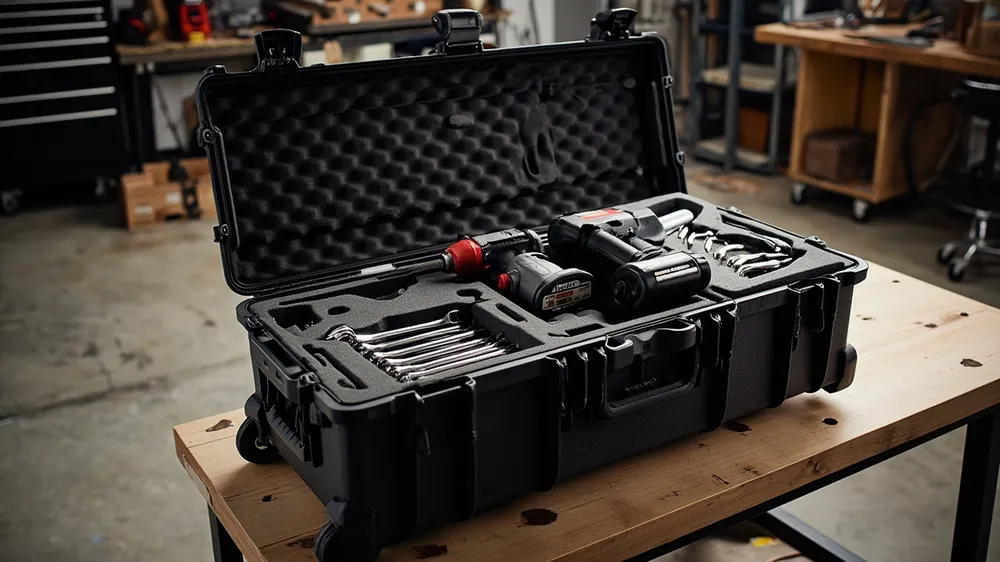
A heavy-duty tool case and a home gadget box are different species. It carries wrenches, power tools, spares and consumables to the site in a van, thrown in, stacked on the ground, opened in mud. It fears three things: too weak and cracks, too messy to find, hardware loose and will not open. This guide covers how to choose and use a heavy-duty tool case on site.
Three Hard Metrics
- Load: full, no crack, handle stays, hinge holds.
- Organisation: tools layered and located, grab on open.
- Toughness: latch and hinge fatigue-resistant, shell drop-proof.
Priority: structure > hardware > organisation.
Structure Hard Specs
| Spec | Heavy-duty delivers | Verify |
|---|---|---|
| Wall and rib | Uniform, ribbed | Caliper, see wall and structure |
| Handle | Metal pin, high load | Lift full case |
| Hinge | Metal pin, fatigue | See hinge and latch durability |
| Latch | Metal pin, lockable | Cycle life |
| Material | Modified PP | See virgin vs recycled |
Liner and Tray: Tools Do Not Rattle
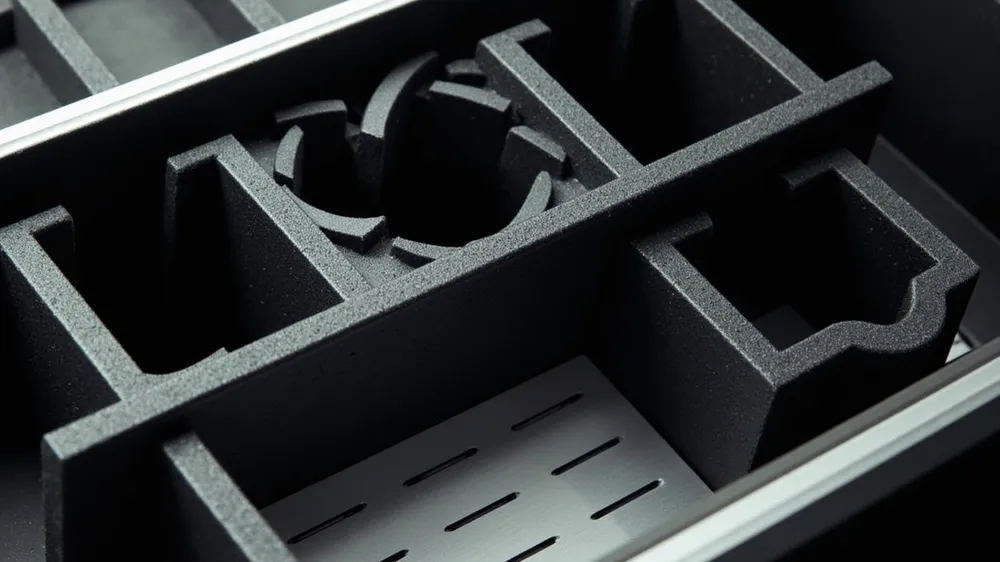
Heavy cases often mix "foam cavities + metal tray":
- Foam cavities: contour rolling tools, see liner design.
- Metal tray: holds screws, bits, no loss.
- Layers: used on top, spares below, see EVA thermoformed.
- Reconfigurable: liner changes with tools, see foam relining.
Hardware: Root of Cycle Life
Latches and hinges decide cycle life; they must have metal pins. Selection in hinge and latch durability design; for padlock see TSA lock airline cases. Buyers want fatigue data.
Material and Load
Heavy shells use thickened modified PP — light and tough. Trade-offs in polycarbonate material and aluminium vs plastic case; recycled drags toughness, see virgin vs recycled.
Site Protection
Sites are dusty and knocky. Sealing and dust in IP67 waterproof and condensation control; vehicle vibration in transport vibration testing; same logic as automotive tool cases.
Transport and Stacking
Tool cases ship in sets on trucks. Stack limit and moisture in warehouse stacking and moisture.
Field Habits
- Return to place: restock after use, colour management in colour visual management.
- Clear swarf: dump metal chips promptly, protect liner.
- Check hardware: periodically see if latch/hinge loosens.
Customisation Checklist
| Element | State | If missed |
|---|---|---|
| Tool list | Size, weight, rollers | Liner unfit |
| Load | Full case weight | Handle breaks |
| Hardware | Lockable? | Security mismatch |
| Duty | Dust / water / temp | Wrong material |
For requirements and negotiation see how to write a case RFQ and how to negotiate case price; for factory see drone case manufacturing factory.
Pitfall List
First, judge by looks — ask for load and hardware data. Second, no metal pin — loosens in thousands. Third, messy liner — cannot find. Fourth, recycled shell — see virgin vs recycled. Fifth, no tray — small parts lost. Sixth, no restock — messier over time.
In Summary
The heavy-duty case key is "structure, hardware, organisation": a thickened ribbed shell with metal-pin handle, hinge and latch holds load and cycle life, while foam cavities plus a metal tray keep tools from rattling or getting lost. To start, write tool list, full-case weight, lockable or not and duty as clauses, then ask the supplier for fatigue data and material grade. With habits of "restock after use, clear swarf, check hardware", the case serves the site for years. For hardware and structure detail cross-read hinge and latch durability design and wall thickness and structure.
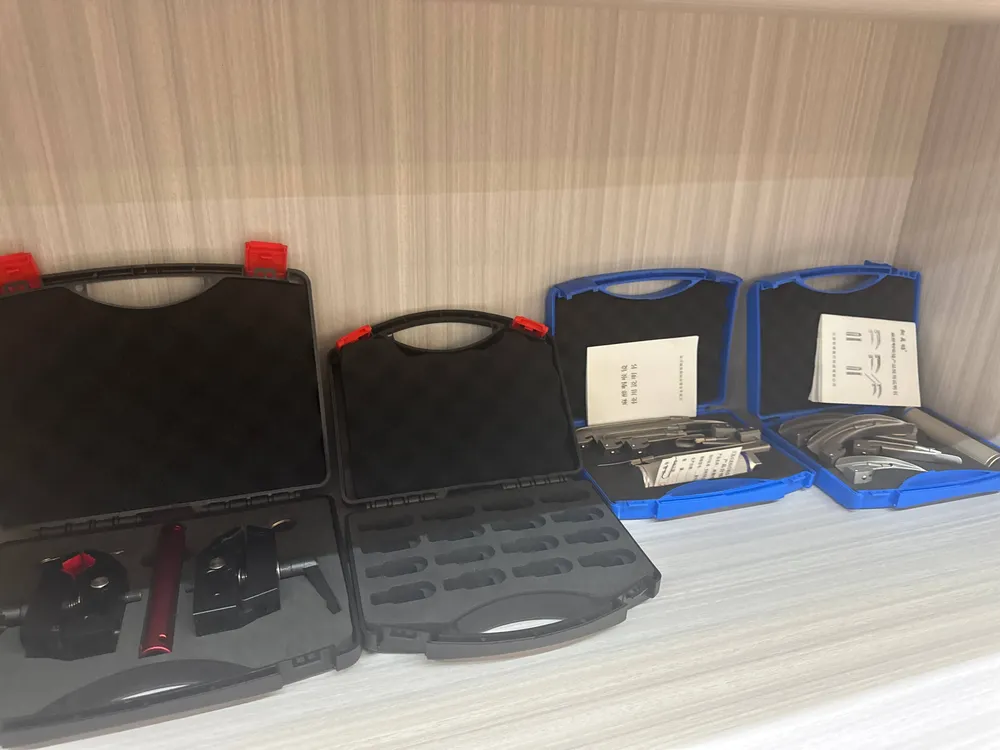
For specific tool liners see drone case foam insert design; for vehicle scenes see automotive tool cases.