

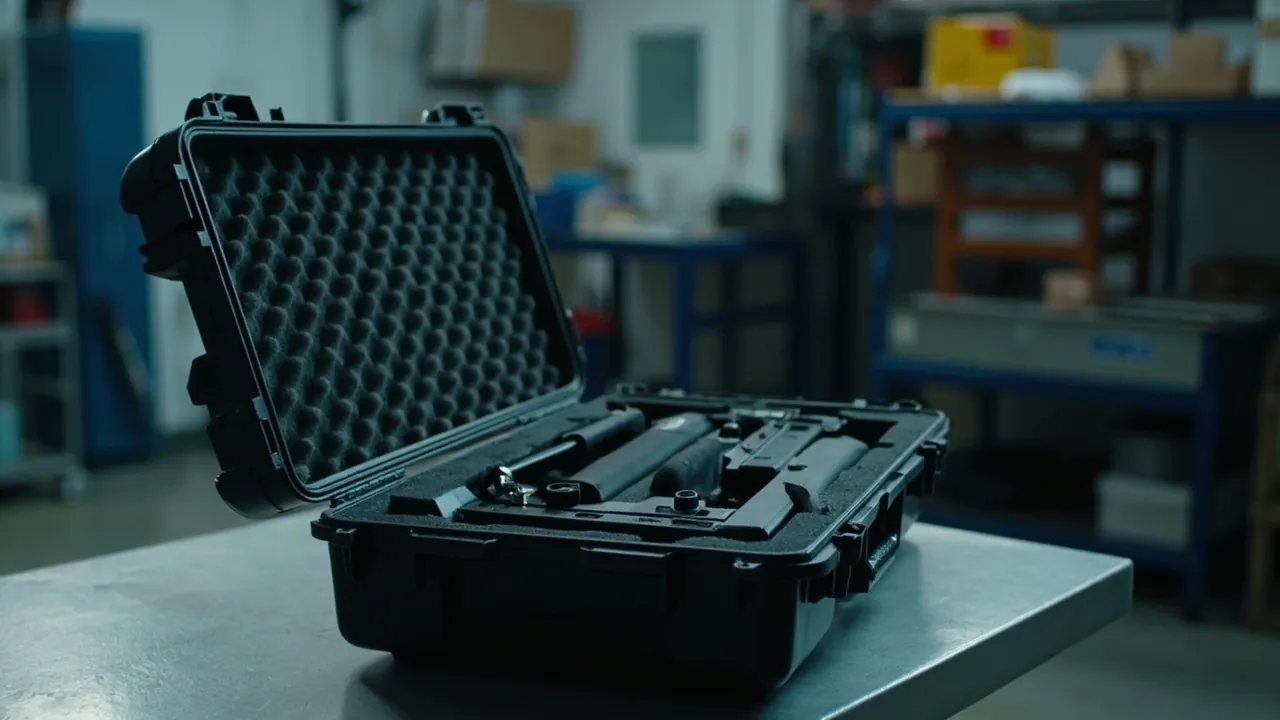
Tea and coffee beans are agricultural products that "breathe, fear moisture, fear light and fear odor." A batch of pre-Qingming green tea or a tin of specialty blend beans carries real value yet loses its character easily in transit through humidity, light and foreign smell. The conclusion up front: tea and coffee transport needs a dedicated case built on four defenses — moisture-proof, light-blocking, aroma isolation and food-grade contact material — so water content, light and cross-smell stay within acceptable limits and flavor and shelf life are preserved.
Many traders and roasters pack tea and coffee like ordinary dry goods, then open at port to find frosty, damp tea cakes and rancid, oily beans. This article walks through flavor science, material safety, sealing structure, standards and a buying checklist for selecting and using a tea and coffee transport case, and shows how to turn a fragile shipment into a controlled, auditable move.
Table of Contents
- Why tea and coffee need a dedicated transport case
- Moisture-proof: humidity vs flavor and shelf life
- Light-blocking: light accelerates oxidation and fading
- Freshness and aroma isolation
- Food-contact material safety
- Sealing and ingress ratings: IP65/IP67 and IEC 60529
- Inserts and cushioning: EVA and foil composite
- Hinges, latches and seals
- Humidity control and desiccant use
- Transport testing and standards: ISTA, MIL-STD-810H and GB/T 4208
- Sorting and packing: raw/ripe tea, blend and single origin
- Customization and OEM/ODM: category-matched inserts
- Cleaning and routine maintenance
- Buying checklist and scenario recommendations
Why tea and coffee need a dedicated transport case
Tea and coffee degrade through three drivers — moisture, oxygen, light — plus a often-missed "odor." Moisture reheats green tea and molds beans; oxygen oxidizes tea polyphenols and coffee oils, dulling aroma into staleness; light catalyzes pigment and aromatic breakdown; odor is absorbed and cross-contaminates good tea and beans. Plain cartons neither block moisture nor light; generic plastic bins block light but rarely seal and easily pick up smell.
A dedicated case splits defense into four lines: a light-blocking shell, a gasket seal against moisture and smell, a cushioning insert against pressure, and food-grade material for safe contact. JUNZHJIA commonly uses a light-blocking shell plus EPDM seal plus food-grade liner in food-material cases, and can provide a material compliance declaration for import-export archiving.
Commercially, a batch of specialty beans costs far more than one case, and damp mold means total loss and complaints. Fixing water content and light risk with a transport case is the first loss-control line for tea and coffee trade. There is also a brand angle: a buyer who opens a case to find dry, bright, fragrant product trusts the supplier; one who finds a damp, flat box questions every future order. The case is part of the product promise, not just packaging.
There is a third angle that traders underweight: the case is evidence. When a lot arrives and a buyer disputes staleness, the sealed, desiccanted, light-blocked case with a logged humidity card is the proof that the product left you in good condition and the fault, if any, sat with the carrier or the warehouse. That paper trail turns a he-said-she-said into a documented handover, and for a perishable, aroma-driven product the difference is real money. A fourth angle is speed: a case whose cells map one-to-one to your SKUs lets a warehouse pick, pack and ship a mixed order in minutes, because the team is not re-boxing loose bags by hand. For a roaster filling same-day orders, that throughput is the case paying for itself on the busiest day of the week.
Moisture-proof: humidity vs flavor and shelf life
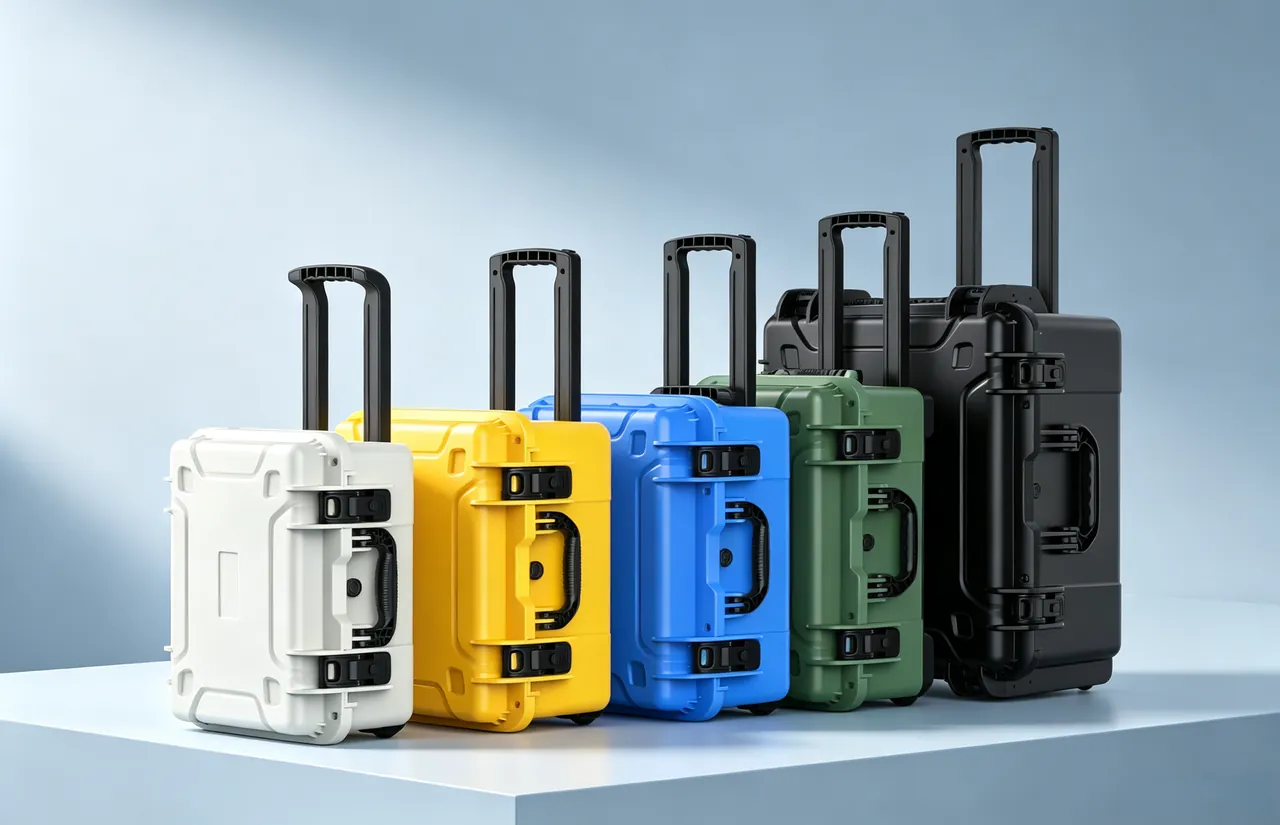
Moisture is the number-one enemy. Safe tea water content is typically 6 to 8 percent (varies by type); green coffee is about 10 to 12 percent, roasted lower. Once ambient relative humidity exceeds 60 to 65 percent, cakes and beans slowly absorb, and rising water content directly brings mold risk and flavor loss.
Transit moisture control relies on "seal + desiccant + light-blocking shell." With the lid latched, the IP67 gasket introduced in the waterproof rating explainer blocks outside humid air; enough fixed food-grade desiccant inside keeps relative humidity at a 45 to 55 percent storage-friendly band. Critically, desiccant must not touch tea or coffee — bag it and fix it to the inside lid or an isolated cell to avoid dust contamination.
For sea freight and rainy-season transport, follow the full sealing of an IP67 protective case, and ventilate and dehumidify before opening on arrival to avoid condensation wicking back in from temperature difference. A practical field step is to log the desiccant color (if using indicator gel) at both pack and open; a saturated desiccant on arrival is an early warning that the seal was compromised or the climate was harsher than planned, and it tells you to inspect the product before it reaches a customer.
Light-blocking: light accelerates oxidation and fading
Light (especially UV and short visible) catalyzes chlorophyll breakdown in tea, oil oxidation in beans and aromatic loss, showing as darker liquor, duller aroma and faded packaging. The shell should be opaque and the interior should avoid transparent material.
Light-blocking is more than "not transparent"; it means no light-leak gaps at the lid seam. Check whether the lid-to-body seam has an opaque gasket and whether latch points leak light. For premium tea and beans, reference the dual light-blocking plus sealing structure of a seal-shock case. If logistics labels are needed, cover them with opaque tape so no light hole remains after removal.
Note light-blocking delays rather than stops oxidation; the case should pair with the original aluminum-foil bag and one-way-valve bag as inner packaging. The case handles outer environmental isolation; inner packaging handles product-level sealing. A useful rule: treat the case as the second barrier, not the only one — the foil bag does the fine work, the case does the coarse work, and together they cover the whole journey from roastery to shelf.
Freshness and aroma isolation
Tea and coffee are strong absorbers — they take in surrounding odors and release their own. Cross-smell comes two ways: outside odor (spice, cleaner, oil) intruding, and categories mixing (jasmine with rock tea, light with dark roast in one box). Aroma isolation centers on "compartments + sealing + low-odor material."
Compartments use numbered dividers from a removable-divider case to separate categories; sealing relies on per-cell gaskets or self-sealing inner packs; low-odor material means the shell and liner themselves emit no smell that taints tea aroma. The liner can be formed by the EVA foam custom process; EVA is low-odor and non-shedding, suiting food outer-pack contact.
For blended and single-origin mixed loads, give each its own foil bag plus an in-case divided double isolation, and draw by batch on opening to avoid exposing the whole case repeatedly. Good aroma isolation protects the "flavor identity" that underpins specialty premium. A simple test at receiving: open one bag at a time in a neutral room and sniff; if the case smells of coffee when empty, the liner needs airing, and if bags smell of each other, the divider plan needs tightening before the next shipment.
Food-contact material safety
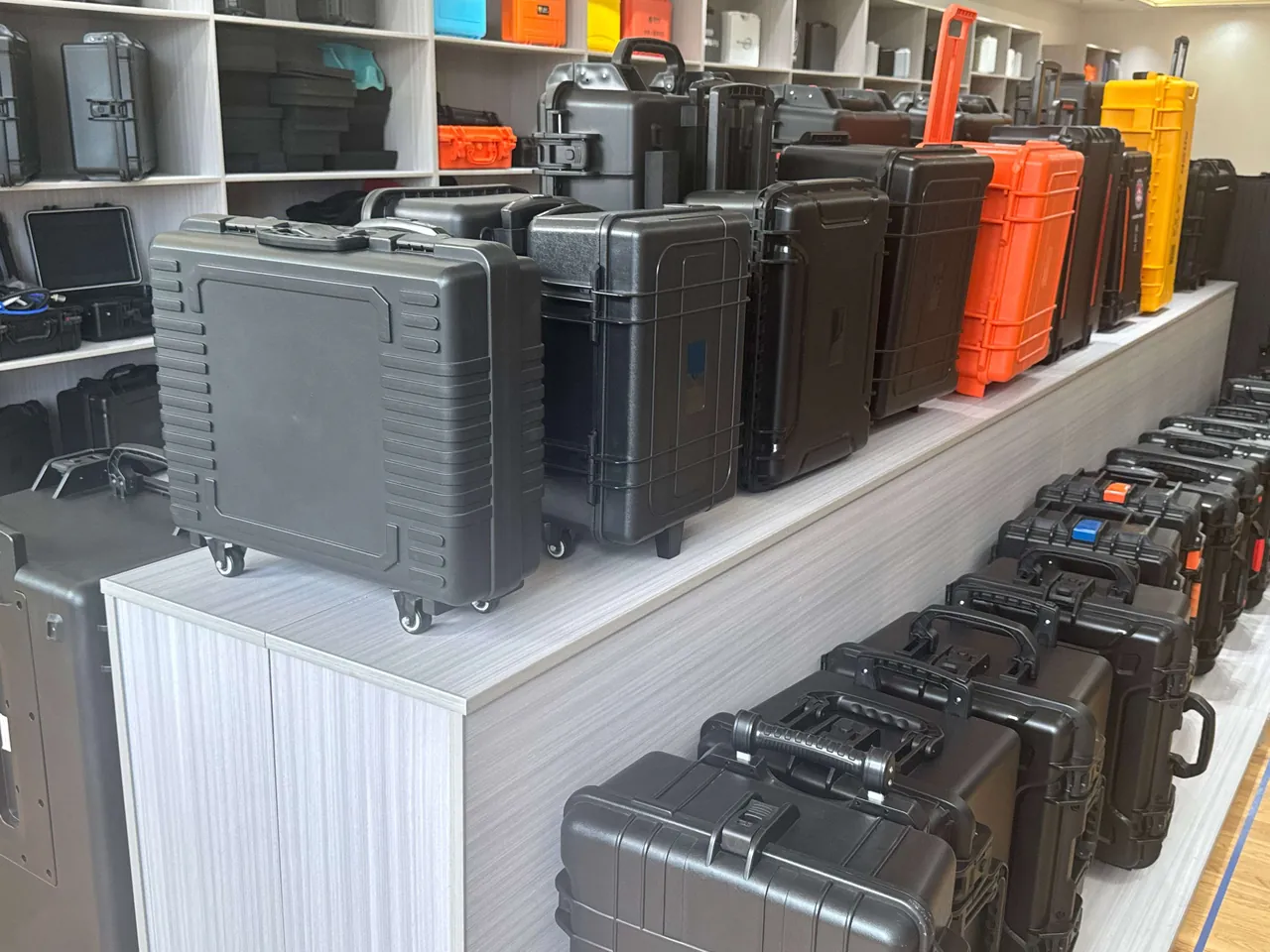
Tea and coffee go in the mouth, so materials touching product must be safe. Three points: the material meets food-contact requirements, releases no harmful migration, and cleans without harboring dirt. Shell plastic touching product outer packaging should carry a declaration under the relevant food-contact framework; liner foam should be low-odor, non-shedding and oil-resistant.
JUNZHJIA can provide food-contact-grade material plans with test or declaration files in OEM projects for buyer compliance archiving. Distinguish: food-contact grade means no harmful migration on contact, not that it can hold hot liquid long term; tea and coffee transport is mostly dry outer-pack contact, so material focus is low migration and low odor. Maintenance detail is in the protective case cleaning guide, avoiding solvent cleaner residue.
For EU, US and other markets, also watch destination food-contact rules and ask the supplier for the matching compliance file early to ease customs. A delayed shipment at a border because a declaration is missing costs far more than the document itself, and for a perishable, time-sensitive product like fresh-roasted beans, a few days in a customs hold can mean the difference between a fragrant sale and a stale write-off.
Sealing and ingress ratings: IP65/IP67 and IEC 60529
The rating most worth reading for tea and coffee is still ingress. The international basis is IEC 60529 (mirrored by GB/T 4208), two digits after "IP" for dust and water. Daily delivery, dust 5 (against harmful deposit) is enough; for rain handling or humid warehouses, the waterproof rating explainer recommends IP67, immersible briefly without ingress.
An IP rating is a latched-lab value; open latches or aged gasket fail it in reality, so gasket life and care matter as much, covered later. For air or high-altitude transport, add a pressure-equalization valve so pressure difference does not suck the gasket open or burst inner packs. The valve needs a dust- and moisture-proof filter to avoid drawing wet air in. Ask for a test report and, better, do a humid-chamber check with a paper towel inside, because the printed number is only as good as the latch that holds the lid and the gasket that seals it on a real, loaded case.
Inserts and cushioning: EVA and foil composite
The insert both cushions and helps environmental isolation. A base layer of EVA closed-cell foam is routed to the 3D size of tea cakes, tins and bean bags to stop mutual pressure that oils or crushes cakes; an outer foil composite layer strengthens light-blocking and some moisture resistance.
Two notes on foil composite: the foil faces inward to form a light-blocking cavity, and the composite must be food-grade with no metal migration. Heavy tea boxes (a whole stack of cakes) use high-density EVA base with hard plates at load points. Leave 8 to 12 mm foam walls between cells for isolation and absorption. Routing detail is in the custom foam insert guide.
Note the foil composite does not tolerate repeated folding; lay it flat and fixed long term to avoid broken foil at creases that breaks light-blocking continuity and barrier. A practical build tip: bond the foil to a thin EVA backing so the panel stays flat and the foil never takes a hard fold; a backed panel also survives repeated pack-outs better than a loose foil sheet that tears at the first corner.
There is also a receiving discipline worth naming. On arrival, do not rip the case open in a humid dock; bring it into a dry room, let the interior equalize for a few minutes, then open and check the desiccant indicator and the bag seals before any product is handled. This ten-minute pause prevents the exact failure it is designed to avoid: warm, humid air rushing into a cold case and condensing on the bags. Log the desiccant color and the interior humidity at both pack and open, and keep those two numbers with the shipment paperwork. Over a year this log becomes a quality record that shows whether your cases are holding up across seasons and routes, and it is the first thing a serious buyer asks for when a lot is questioned. The case and the log together are what turn "we think it stayed fresh" into "we can prove it stayed fresh."
Hinges, latches and seals
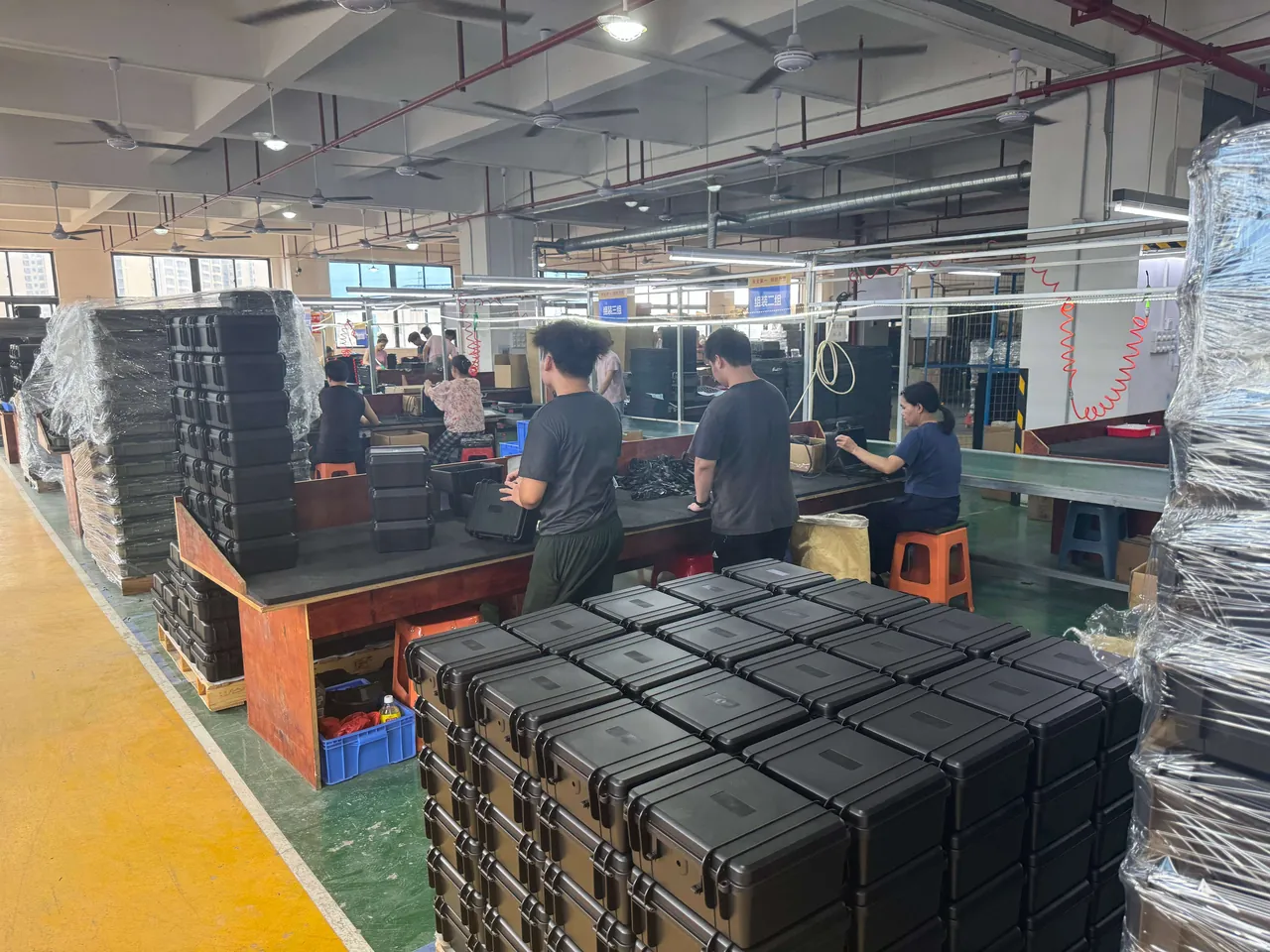
Open-close life and whether it pops open depend on hinges and latches. JUNZHJIA tea and coffee metal cases often use stainless or nylon-clad hinges with labyrinth latches that resist rust and stay locked on rough roads. Internal links must target the live page toolbox hinge latch seal for selection and care detail — this is a real indexed page; do not misspell it or you create a dead link.
Seals are mostly EPDM or silicone: EPDM resists ozone and weathering for storage and vehicle use; silicone tolerates wider temperature. Tea and coffee cases should choose low-odor gaskets to avoid "gasket smell" tainting tea. Choose dual-action lock latches a stray touch will not open; for high-value batches add a padlock eye from lock customization options for transit anti-theft and responsibility split. Keep one spare latch and a tube of compatible grease in the maintenance kit, so a failed latch never becomes a reason to ship unprotected during a peak season.
Humidity control and desiccant use
Humidity control uses seal and desiccant together. Prefer food-grade silica gel or montmorillonite; color-change silica shows when to replace. Dosage by case volume and expected humidity: experience says 50 to 100 g per 20 to 30 L, doubled for long humid trips. Desiccant must be bagged and fixed, never touching product.
On temperature, tea and coffee fear heat-plus-humidity together. Long storage suggests 15 to 25 C and 45 to 55 percent RH; transport cannot control temperature, so at least use a light-blocking shell to cut solar heating and avoid cabin baking. For higher environmental control reference the insulation of an extreme-temperature case. Measure water content before warehousing on arrival — a key move for traders to cut complaints. A small hygrometer card in the lid gives a running read of the interior climate, and a logged pair of readings (pack versus open) is exactly the evidence a buyer wants when a batch is questioned.
Transport testing and standards: ISTA, MIL-STD-810H and GB/T 4208
Whether a supplier gives test basis is a professionalism divide. The international transport simulation standard ISTA (e.g., ISTA 3A single parcel) uses drop, vibration and compression for real logistics; domestically GB/T 4857 transport packaging offers equivalent tests that many buyers already recognize.
For environment, MIL-STD-810H is a US military environmental test method (used only as product-line environmental test basis, not a military certification); method 514.7 vibration and 516.8 drop verify structural integrity and seal retention of a tea and coffee case under rough handling. We cite it to give B2B customers a reproducible flow, not to claim certification. With the ISTA transport testing procedure it gives a fuller real-world picture. Ask each supplier for the actual test report number and the sample configuration, because a case tested empty is not the same as a case tested loaded with tins and bags; weight and center of gravity both change how the case behaves in a drop, and a crushed cake is a crushed cake regardless of the certificate.
Sorting and packing: raw/ripe tea, blend and single origin
Categories differ in environment sensitivity and should be sorted in transit. Raw tea (raw pu-erh) is conversion-active and more humidity-sensitive; ripe tea and black are relatively storable but still fear damp; roasted beans oxidize oily faster than green, light roast more delicate than dark. Blend and single origin in one box cross-smell, so divide cells or boxes.
Packing advice: seal each product in its original foil or one-way-valve bag first, then divided in the case; same batch same type can share a cell, cross-type must be separated by layer. Use numbered dividers from a removable-divider case to split "raw/ripe," "light/dark," "scented/rock" clearly, so opening shows the batch and reduces exposure from rummaging. JUNZHJIA can map inserts to the category list so sorting is "see the cell, know the batch." A laminated category sheet on the lid turns the plan into a checklist the team actually follows at pack and open.
Customization and OEM/ODM: category-matched inserts
A standard case only solves "it fits." Custom inserts solve "stable, sorted and findable." JUNZHJIA maps the customer's category list one-to-one: cake perimeter, tin vertical cells, bean-bag straps, foil light-blocking composite, all formed to actual packaging. Even dozens of SKUs, open the lid and locate at a glance, lifting trade and roaster cup efficiency.
OEM/ODM also brings brand visibility: laser-engrave logo, category list and color on the lid; batch orders get unified material codes for inventory and traceability. On cost, reference the custom case mold cost analysis for tooling-versus-unit break-even — larger batch, lower unit. Pick a factory by the how to choose a case OEM factory checklist, especially checking that food-contact documents are complete. Insist on a first-article sample that you load with the real packaging and drop-test yourself before committing to volume, because a case that crushes a cake on the first bump is a case you cannot trust with a paid shipment.
Cleaning and routine maintenance
A tea and coffee case gradually absorbs residual aroma and fine leaf dust; poor cleaning cross-smells and loosens gaskets. Routine care follows the protective case cleaning guide: neutral cleaner with a soft cloth, avoid solvents; liner removed and air-dried, never in sun.
The gasket is the seal-life key; inspect quarterly for hardening, cracks and odor; a drop of silicone oil keeps latch parts smooth. A case's service life in years tracks maintenance — a well-kept metal case lasts over ten years. Before switching categories, vent the empty case to clear smell, using a food-grade deodorizer if needed. Also see genuine vs fake case identification to avoid substandard boxes that look similar but fail on the first rough trip. A short maintenance sticker inside the lid with the last-inspection date turns good intent into a habit, and it reminds the team to air the liner between strongly scented lots so the next batch does not inherit the last one's aroma.
Buying checklist and scenario recommendations
Condensing the points above into a checklist is most intuitive when shown as a table:
| Scenario | Core category | Recommended protection | Suggested rating |
|---|---|---|---|
| --- | --- | --- | --- |
| Store transfer | Tins, roasted beans | Light-block, divide, desiccant | IP54 to IP65 |
| Trade export | Raw pu-erh, single origin | Foil light-block, seal, food-grade | IP65 to IP67 |
| Roaster cup service | Blend, ground | One-way valve bag, divide, low odor | IP54 to IP65 |
| Sea freight long haul | All categories | Salt-spray hinge, valve, moisture | IP67 |
| Expo sampling | Multi-SKU samples | Numbered dividers, opaque | IP54 to IP65 |
| Insert material | Suits | Advantage | Caution |
|---|---|---|---|
| --- | --- | --- | --- |
| Foil composite EVA | Cakes, specialty beans | Light-block, moisture resist, low odor | Avoid repeat fold |
| High-density EVA | Whole cake stack | Strong support | Slightly costlier |
| Medium-density EVA | Tins, bean bags | Soft wrap, no shed | Calibrate thickness |
| Non-woven layer | Food outer pack | No shed, low odor | Replace periodically |
JUNZHJIA can combine the above into a full-case solution from light-blocking shell, seal to food-grade liner in one pass and provide material compliance files for import-export archiving. The aim is not the toughest box, but the right box whose insert matches your real packaging and whose maintenance you can actually sustain.
A practical selection method is to design around the most fragile and most valuable lot, not the average. If a single cake of aged tea or a small batch of single-origin beans carries the most value, give it the most protected, most isolated cell first, then fit the rest around it. Buyers often size the case to the bulk and leave the premium lot under-protected, which is exactly where the loss hurts most. Next, decide the barrier stack: shell light-block, foil liner, one-way-valve bag, desiccant, in that order, and do not skip a layer to save cost because each covers a different failure mode. Then match the rating to the route: a local delivery needs only dust protection, while sea freight needs IP67, salt-spray hardware and a pressure valve. Finally, price the case against one ruined lot rather than against a cardboard box, and the food-grade custom insert usually pays back on the first rejected shipment. The right question is not "how cheap can the box be" but "how much flavor can I afford to lose," and the case is the lever that answers it. A simple receiving test seals the loop: open in a dry room, check the desiccant indicator and bag seals, log the two numbers, and only then handle product. A second habit worth building is a photo of the packed case at each handover, so a dispute about condition is settled by evidence rather than memory, and the same photo trains new staff on what a correct pack looks like.
Frequently Asked Questions
Q: For tea transport, guard water or light? A: Both, but water is usually more fatal. Safe tea water content is about 6 to 8 percent; once ambient RH exceeds 60 to 65 percent it slowly absorbs, directly bringing mold and flavor loss; light catalyzes oxidation and fading as chronic harm. The professional move is "seal + desiccant + light-blocking shell": use the IP67 gasket from the waterproof rating explainer to block outside humid air, put fixed food-grade desiccant inside to hold 45 to 55 percent RH, and a light-blocking shell to slow oxidation. Desiccant must not touch tea. A humidity card in the lid gives a running read, and a logged pair of readings at pack and open is the evidence a buyer wants when a batch is questioned.
Q: Why aroma isolation for coffee bean transport? A: Beans are strong absorbers — they take outside odor and release their own; light and dark roast, blend and single origin in one box cross-smell and lose the flavor identity that underpins specialty premium. Isolation uses "compartments + sealing + low-odor material": numbered dividers from a removable-divider case separate categories, each in its own foil bag plus in-case divided double isolation, with low-odor EVA liner (see the EVA foam custom process). Draw by batch to avoid exposing the whole case. A receiving-room sniff test catches a leaking divider plan before the next shipment, and it keeps each lot true to its own character.
Q: Does the case material need to be food grade? A: Yes, because tea and coffee go in the mouth and materials touching product outer packaging must be safe: no harmful migration, low odor, easy to clean. JUNZHJIA can provide food-contact-grade material plans with compliance files in OEM projects for archiving. Distinguish: food-contact grade means no harmful migration on contact, not that it holds hot liquid; tea and coffee transport is mostly dry outer-pack contact, so focus is low migration and low odor. Avoid solvent cleaners; see the protective case cleaning guide. For EU and US markets, ask for the matching compliance file early, because a missing declaration can hold a time-sensitive shipment at a border for days.
Q: Can an IP67 tea and coffee case be shipped underwater? A: No. IP67 is a latched-lab value: immersed 1 m for 30 minutes without ingress, enough for rain, brief drop and high humidity, not washing or long diving. In reality open latches, aged gasket or deformed shell break it. For sea humidity add desiccant and a pressure-equalization valve with a dust- and moisture-proof filter, and inspect gaskets regularly. Rating boundaries are in the waterproof rating explainer. Do a humid-chamber check with a paper towel inside; the printed number is only as good as the latch and gasket on a real, loaded case, and a field test tells you more than the label.
Q: How much desiccant and how to place it? A: Prefer food-grade silica gel or montmorillonite; color-change silica shows when to replace. Experience says 50 to 100 g per 20 to 30 L, doubled for long humid trips. Key is bagging and fixing to the inside lid or an isolated cell, never touching product, to avoid dust contamination and ingestion risk. Measure product water content before warehousing on arrival — a key trader complaint-reducer. The seal-shock case gasket-plus-desiccant combo is steadier, and a humidity card in the lid gives a running read of the interior climate through a long transit.
Q: Can raw and ripe pu-erh share one case? A: Not in one cell. Raw pu-erh is conversion-active and more humidity-sensitive; ripe is relatively storable but still fears damp; together they hurt each other through humidity competition and cross-smell. Separate by cell or box, using numbered dividers from a removable-divider case to split "raw/ripe," "scented/rock" clearly. Seal each in its original foil bag before divided packing; opening shows the batch, reducing exposure-driven degradation. A laminated category sheet on the lid turns the plan into a checklist the team follows at pack and open, so a delicate raw lot is never parked next to a fragrant ripe one by mistake.
Q: What about foil composite liner? A: Two points: the foil faces inward to form a continuous light-blocking cavity, and the composite must be food-grade with no metal migration; foil does not tolerate repeated folding, so lay it flat and fixed to avoid broken foil at creases that breaks light-blocking continuity and barrier. Heavy tea boxes use high-density EVA base with hard plates at load points. Routing is in the custom foam insert guide. Bond the foil to a thin EVA backing so the panel stays flat and survives repeated pack-outs; replace the liner once foil is damaged to avoid light holes that quietly age the product.
Q: What about air or high-altitude tea and coffee transport? A: The focus is pressure difference. At altitude the outside pressure drops; if the case is sealed too hard with air inside, inner packs may balloon or burst. Fit a pressure-equalization valve with a dust- and moisture-proof filter to balance pressure, and use one-way-valve inner bags to release internal gas. Also light-block the shell and seal against moisture; ventilate and dehumidify before inventory on arrival. Structural strength can reference MIL-STD-810H compliance vibration-drop verification, and a logged pair of humidity readings at pack and open is the evidence a buyer wants when a batch is questioned after a long flight.
Q: How to control cost in bulk purchase? A: Watch tooling amortization and MOQ. One-off CNC routing has no fixed mold cost but higher unit; die stamping is cheaper per unit but needs MOQ. Reference the custom case mold cost analysis for break-even; larger batch, lower unit. Unify specifications (same-size case + swappable insert) to cut SKUs, inventory and volume. Pick a factory by the how to choose a case OEM factory checklist, checking food-contact documents and QC — the compliance item tea and coffee cases should watch most. Insist on a first-article sample you drop-test with the real packaging before volume commitment, because the cheapest quote often hides rework cost later.
Conclusion and Further Reading
A tea and coffee transport case is not "a box for dry goods"; it is a system covering light-blocking, moisture-proofing, aroma isolation, food-grade contact and compliant testing. From water-content control to the foil light-blocking layer, from the EVA compression ratio to the real boundary of IP ratings, every detail bears on flavor and shelf life. JUNZHJIA offers a complete solution from light-blocking shell, seal to food-grade custom insert and can issue material compliance files so trade and roaster brands turn tea and coffee protection into an archivable, repeatable standard. One more note: avoid solvent cleaners on the liner, use a neutral agent and a soft cloth, and air-dry in shade; check the gasket elasticity yearly and replace it when hard. Confirm inner packs are intact before packing, and re-bag a broken one before it enters the case, protecting flavor at the source rather than after a complaint.
Further Reading