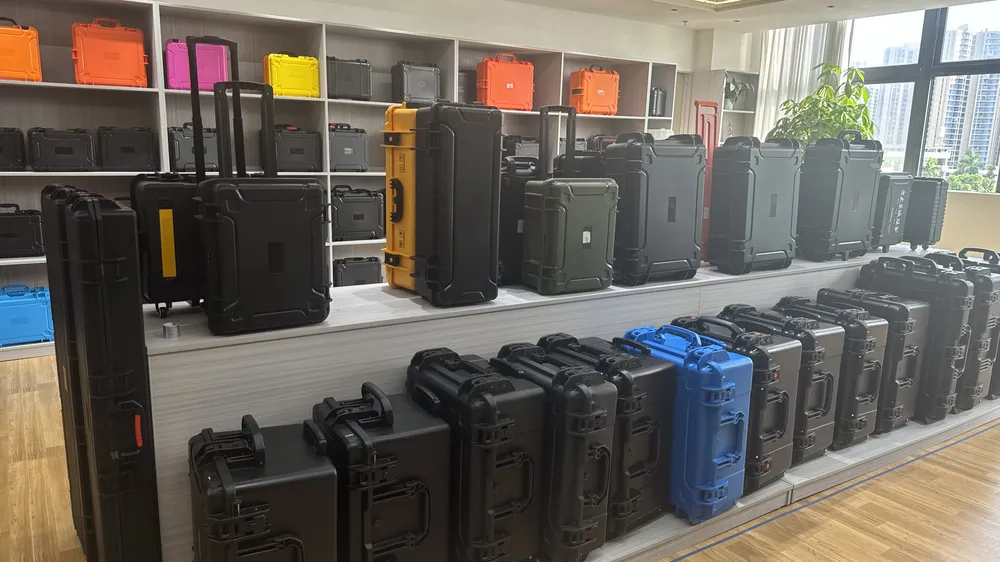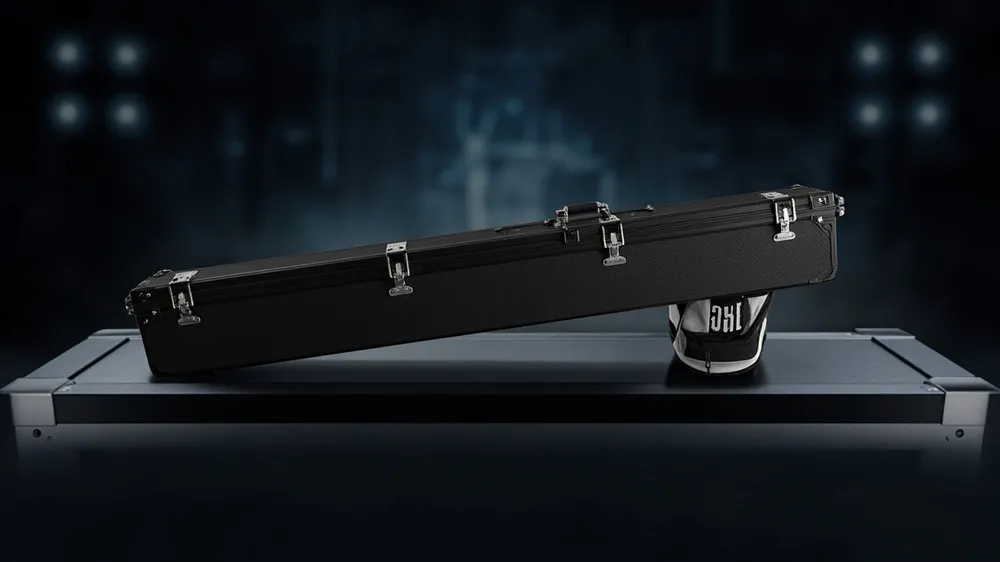
A golf club is a 'precision sports part that can appreciate'. A good set costs tens of thousands and travels between courses, tournaments and flights. It fears three things: a cracked head, a bent shaft, rusted joints from moisture. A soft bag resists light bumps but not drops, and checked baggage gets crushed. A qualified golf case absorbs impact, separates heads, controls moisture and survives being thrown in a cart. This guide covers choice and use from a player's view.
Two Kinds of Club Damage
- Head crack: wood heads fear impact and drops.
- Shaft bend: steel/carbon shafts fear pressure and knocks.
- Moisture rust: joints and grips absorb humidity.
Priority: divider > cushion > moisture.
Hard Protection Specs
| Spec | Golf case delivery | Verify |
|---|---|---|
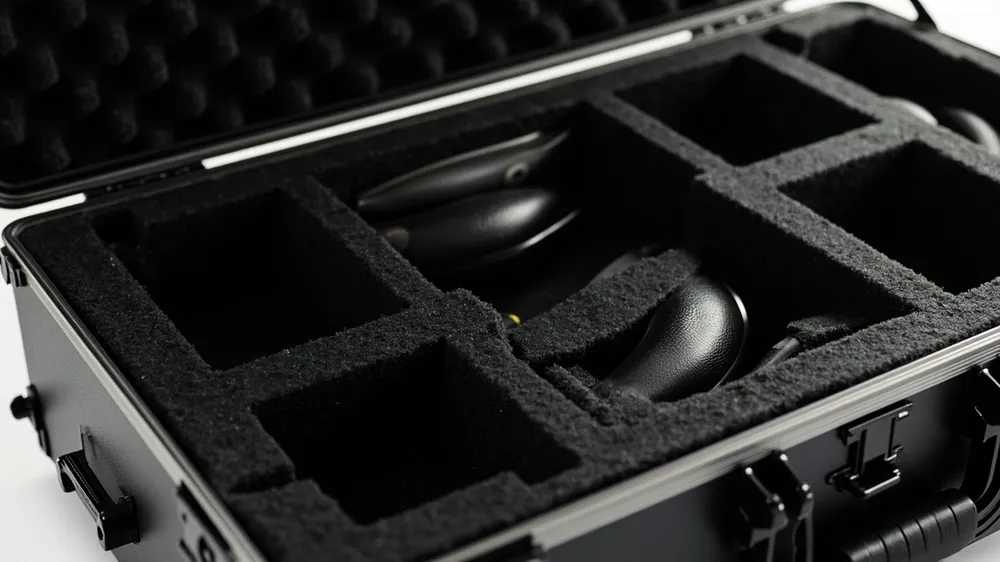
| Divider | each club its own cavity | see custom foam |
| Cushion | head floats wrapped | see foam design |
| Shell | modified PP, light and tough | see wall thickness |
| Hardware | metal pin, lockable | see hinge and latch |
| Mil-spec | MIL-STD-810H optional | see mil-spec |
Divider: Let Each Club Sleep Alone
The head is the fragile core; the cavity wraps only the head and the grip end, keeping the shaft centered without touching others. See custom foam guide; the process in EVA thermoforming. Layer long irons and woods so heavy clubs don't press light ones.
Cushion and Moisture
- Moisture slot: reserve a desiccant position in the liner.
- Airflow: never seal for long, see condensation control.
- Temp range: material resists temperature swing, see cold brittleness.
- Weathering: see UV outdoor weathering.
Hardware and Travel
Latches and hinges need metal pins, see hinge and latch durability. Wheeled models in wheeled case guide; check-in in TSA travel case; valve in equalization valve; hard vs soft in hard vs soft bag.
Transport and Cart
The case rides in carts and cabins. Vehicle vibration in transport vibration testing; stack height and moisture in warehouse stacking.
Sizing and Choice
| Element | Write it | If omitted |
|---|---|---|
| Club count | full set dimensions | won't fit |
| Longest club | putter/wood length | lid won't close |
| Travel | self-drive/check-in | wrong lock |
| Accessories | shoe/glove slot | mixed and knocked |
Measure and choose in how to size a case; write the RFQ in how to write a case RFQ.
Pitfall List
First, plain foam: heads need dividers. Second, no moisture control: joints rust. Third, no metal pin: loosens after thousands of cycles. Fourth, recycled resin: see virgin vs recycled. Fifth, heavy on light: light shafts bend. Sixth, no moisture control: long-haul damp.
Summary
The key to a golf case is 'divider, cushion, moisture, finish': separate cavities let each club sleep alone, a floating wrap protects the head from impact, a desiccant slot and airflow steady the metal joints, and metal latches survive frequent opening. On the ground, write the club count (with the longest club), the accessory list and the travel mode as clauses, then ask the supplier to prove material and testing. With the habits of 'swap desiccant on long trips, seat clubs in their cavities, shade the cart, wipe on return', clubs stay like new across many rounds. For dividers and sizing, revisit custom foam guide and how to size a case.