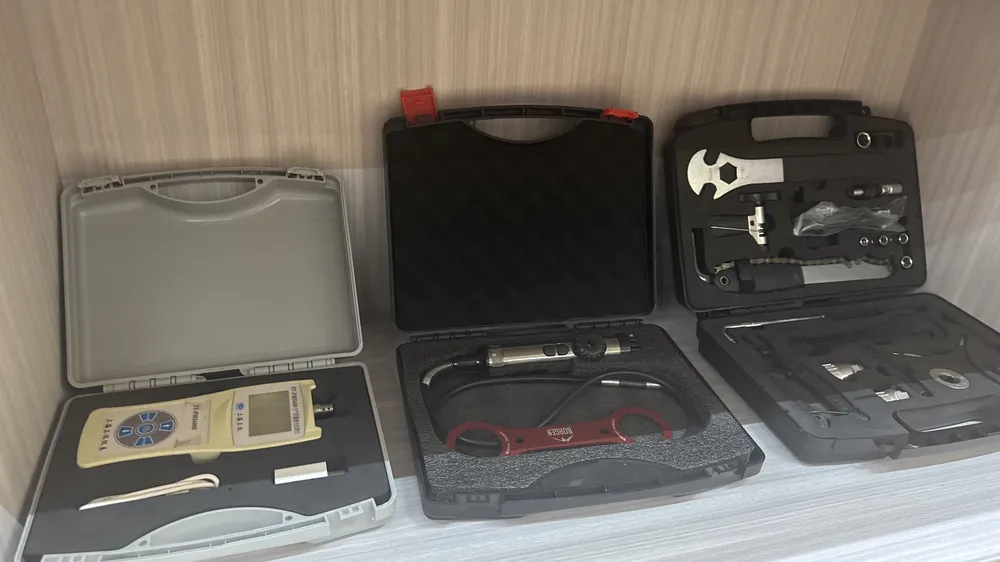

Jewelry is 'small yet most valuable'. Rings, watches and necklaces scratch, tangle and lose stones, and move between shows, stores and cities. A soft bag resists dust but not drops; bare pieces get damaged. A qualified jewelry case displays the piece, fixes each item, controls climate and protects settings and surfaces through handling vibration. This guide covers choice and use from a jeweler's view.
Two Kinds of Jewelry Damage
- Scratch: the surface and settings fear knocks.
- Lost stone: prongs loosen under shock.
- Tangle: chains wrap each other.
Priority: padding > fixing > climate.
Hard Protection Specs
| Spec | Jewelry case delivery | Verify |
|---|---|---|
| Padding | soft face protection | see custom foam |
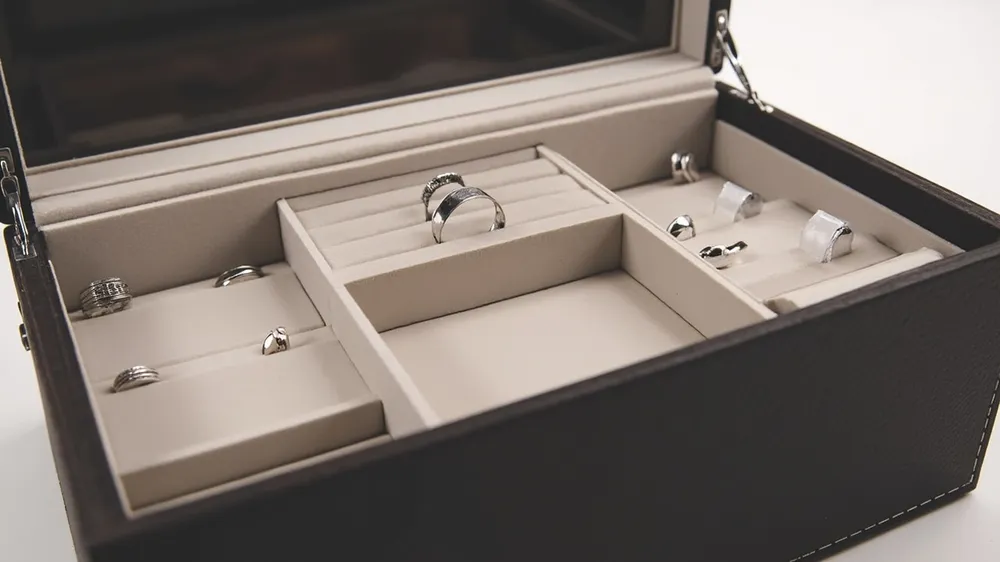
| Fixing | each piece its own cavity | see foam design |
| Shell | PP/ABS optional | see injection vs rotomold |
| Hardware | metal pin, lockable | see hinge and latch |
| Mil-spec | MIL-STD-810H optional | see mil-spec |
Padding: Keep the Surface Off Hard Things
The surface and settings are the fragile core; the soft liner touches only the rigid edge and leaves the body floating. See the suspension logic in drone case foam design; the process in EVA thermoforming. Thicken the soft liner on the watch side against pressure.
Fixing and Climate
- Climate slot: reserve a temp/humidity pack position in the liner.
- Airflow: never seal for long, see condensation control.
- Temp range: material resists temperature swing, see cold brittleness.
- Weathering: see UV outdoor weathering.
Hardware and Show
Latches and hinges need metal pins, see hinge and latch durability. Wheeled models in wheeled case guide; valve in equalization valve; export compliance in export packaging compliance.
Transport and Storage
The case rides in cars and on forklifts. Vehicle vibration in transport vibration testing; stack height and moisture in warehouse stacking. Sizing in how to size a case.
Custom Spec Sheet
| Element | Write it | If omitted |
|---|---|---|
| Piece list | size, fragile points | won't fit |
| Climate | temp/humidity need | surface changes |
| Transport | show/export | wrong lock |
| Display | need display slot | hard to show |
Write the RFQ and negotiate in how to write a case RFQ and how to negotiate price.
Pitfall List
First, no soft pad: surface scratches. Second, no own cavity: pieces knock and lose stones. Third, no metal pin: loosens after thousands of cycles. Fourth, recycled resin: see virgin vs recycled. Fifth, no climate slot: surface damp. Sixth, no moisture control: long-haul damp.
Summary
The key to a jewelry case is 'padding, fixing, climate, display': soft padding cradles the surface and settings, own cavities fix each piece without knock, a temp/humidity slot and airflow steady the material, and metal latches survive frequent opening. On the ground, write the piece list (with fragile points and size), the temp/humidity need and whether a display slot is needed as clauses, then ask the supplier to prove material and testing. With the habits of 'float pieces in place, own cavities against tangle, shade the car, clean on return', jewelry stays like new across cities. For padding and suspension, revisit custom foam guide and drone case foam design.