

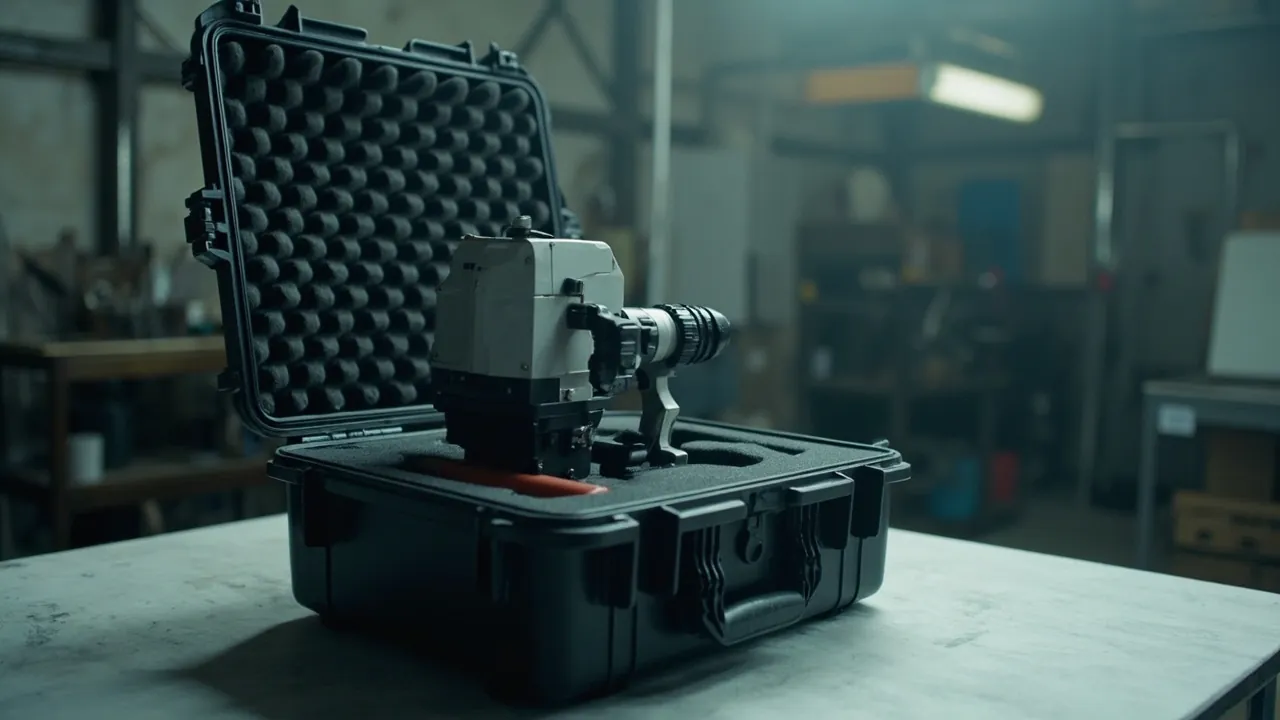
Primary, secondary and university physics/chemistry/biology labs manage hundreds of valuable items, some carrying risk. A precision microscope, a set of glassware, a leftover reagent bottle, an optical meter — if piled loosely or mixed, they wear fast and may cause hazards through corrosion, leakage and misplacement. The conclusion up front: school lab equipment deserves a dedicated case built on "sorted storage + corrosion resistance + spill containment + compliant ingress rating" that isolates physics, chemistry and biology by risk and manages both loss and safety responsibility.
Many schools stuff gear into wooden cabinets or plastic bins; glass clinks, metal rusts, chemical residue corrodes neighbors and hazardous goods mix with teaching aids. This article walks through risk, sorting, materials, standards and a buying checklist for selecting and using a school lab equipment case, and shows how to turn scattered shelves into a controlled, accountable system.
Table of Contents
- Why school lab equipment needs a dedicated case
- Protection for physics lab equipment
- Protection for chemistry lab equipment: corrosion and spill containment
- Protection for biology lab equipment
- Sorting and storage: the physics/chemistry/biology split
- Sealing and ingress ratings: IP65/IP67 and IEC 60529
- Inserts and cushioning: EVA and load design
- Hinges, latches and seals
- Corrosion-resistant materials and spill containment
- Transport testing and standards: ISTA, MIL-STD-810H and GB/T 4208
- Safety management and responsibility split
- Customization and OEM/ODM: subject-matched inserts
- Cleaning and routine maintenance
- Buying checklist and scenario recommendations
Why school lab equipment needs a dedicated case
School lab gear has "three manys": many types, many materials, many risks. Types span glass, metal, optics, electronics and specimens; materials span borosilicate, stainless, aluminum, plastic and optical lens; risks span fragile, rusty, damp, corrosive residue and a little hazardous goods. A generic cabinet stores but does not isolate, so risks multiply across each other.
A dedicated case dissolves this with "compartments + cushioning + seal + corrosion resistance": glass in its own cell, metal dehumidified, chemistry isolated and corrosion-proof, hazardous goods locked separately. JUNZHJIA commonly uses compartment-plus-corrosion-resistant-liner-plus-lock in school lab cases, and can provide material and safety notes for the school's lab safety archive.
In management, the case is also the physical form of an asset ledger: each case maps to a gear set, a code and a responsible person, making transfer and inventory clear — better than loose cabinet shelves for teaching rhythm and audit. A locked, labeled case also changes behavior: students and teachers handle it as equipment, not as a junk drawer, and the simple act of returning each item to its pocket at cleanup time teaches the lab discipline that safety depends on.
There is a teaching dividend too. When a microscope, a meter and a set of glassware each have a named home, the lab period starts with a five-second check instead of a five-minute search, and ends with the same check in reverse, so nothing is left on a bench overnight. That rhythm is exactly what keeps a lab safe and a budget intact across a school year. For a department running dozens of sections a week, the minutes saved per session add up to hours of instructional time, and the missing-item write-offs drop because the case makes loss visible the instant the lid opens. A case is therefore not a cost center but a small piece of pedagogy: it teaches students that precision instruments are handled with intention, and that habit outlasts the equipment itself.
Protection for physics lab equipment
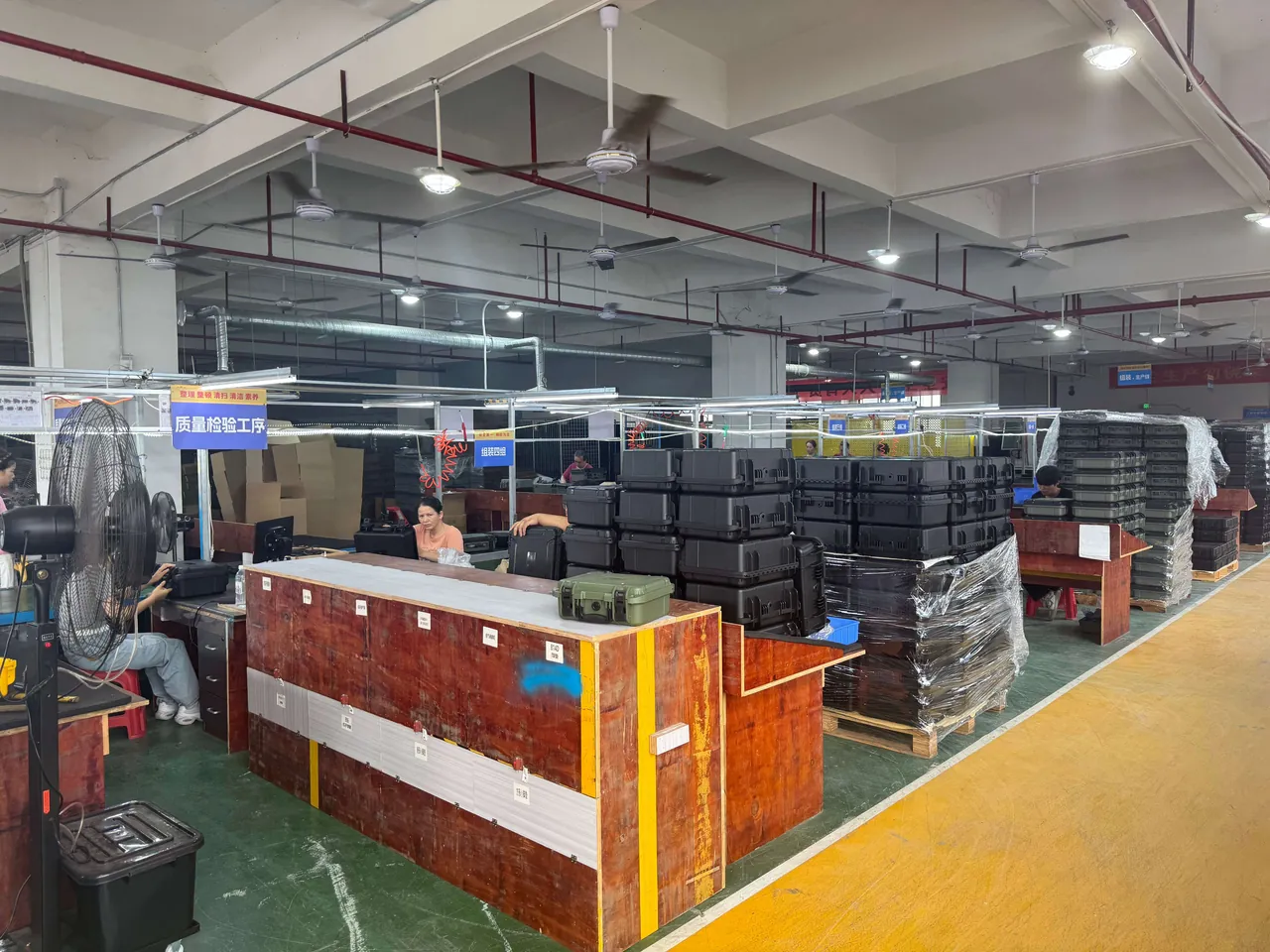
Physics gear centers on meters, optics, sensors, circuit teaching aids and mechanics models. Meters (ammeter, voltmeter) fear shock that jams the needle and demagnetizes the magnet; optics (lens, prism, optical bench) fear scratches and mold; sensors and data loggers fear damp and drops; circuit wires fear bending.
Points: seat meters vertically, never flat under pressure; soft EVA pockets with dust caps for optics; float-buffer sensors per a cushion-liner case; coil wires in the roll cells of a removable-divider case to avoid dead bends. For teaching aids with precision glass rulers and protractors, add a hard shell. Glass transit strength can reference the dust-sealed IP67 protective case to keep dust off optical faces.
Note optical lens must not be wiped with solvent; clean with a dedicated cloth per the protective case cleaning guide to avoid coating scratches. A practical classroom tip: assign each optical bench a single pocket and a single dust cap, and train students to return the cap before the lens goes back; a scratched lens is a permanent loss of measurement quality, and the habit of capping protects every optic in the kit across years of use.
Protection for chemistry lab equipment: corrosion and spill containment
Chemistry gear is the safety focus. Graduated cylinders, beakers and burettes are fragile; metal items like test-tube racks, spoons and tongs corrode if residue remains; the bigger issue is "leftover reagent mixed with gear" — an unwashed acid residue can corrode a whole case of neighbors or, with wrong items, create hazard.
Protection has two layers. Layer one is corrosion isolation of the gear itself: dry metal before packing, thin oil if needed; glass in independent cells to avoid clinking. Layer two is spill containment: any item that may hold liquid must be emptied, washed and drained before packing; if teaching needs a small demo reagent in the case, follow the ADR/IMDG hazmat transport case logic — fixed, upright, leak-proof, locked, meeting campus and logistics rules for hazardous chemicals, never mixed with teaching aids.
Case material should tolerate common lab reagents; details in "corrosion-resistant materials" below. Schools should build an SOP of "check leak on out, wash on return" so chemical safety becomes habit. A useful drill is a monthly "open and sniff" check: a sharp chemical smell inside an empty case means a residue was missed, and that is the moment to trace which item was returned unwashed before it damages the next neighbor in the pocket.
Protection for biology lab equipment
Biology gear includes microscopes, slides, specimens, dissecting tools, petri dishes and small incubators. The microscope is the "delicate king": objective lens fears scratch, mold and shock; slides and specimens fear crushing and damp; scalpel edges fear knicks; culture gear fears contamination.
Points: high-density EVA custom pockets with lens up and focus knob fixed, formed by the EVA foam custom process; slides laid flat in soft cells and dehumidified; specimen box separated and light-blocked; dissecting edges sheathed then fixed. On humidity, biology fears mold, so put fixed food-grade desiccant inside, steadier with the gasket of a seal-shock case. Live or culture items must follow biosafety and campus rules and stay out of ordinary gear cases.
A practical note: microscopes travel badly when the coarse-focus knob is free, so a small strap or a formed pocket that traps the knob prevents the head from swinging during transit; the same strap keeps the stage from shifting. Treat the microscope as the most valuable single item in the biology kit, because a fogged or scratched objective is hard to repair and expensive to replace, and a damaged scope directly limits what a whole class can observe.
Sorting and storage: the physics/chemistry/biology split
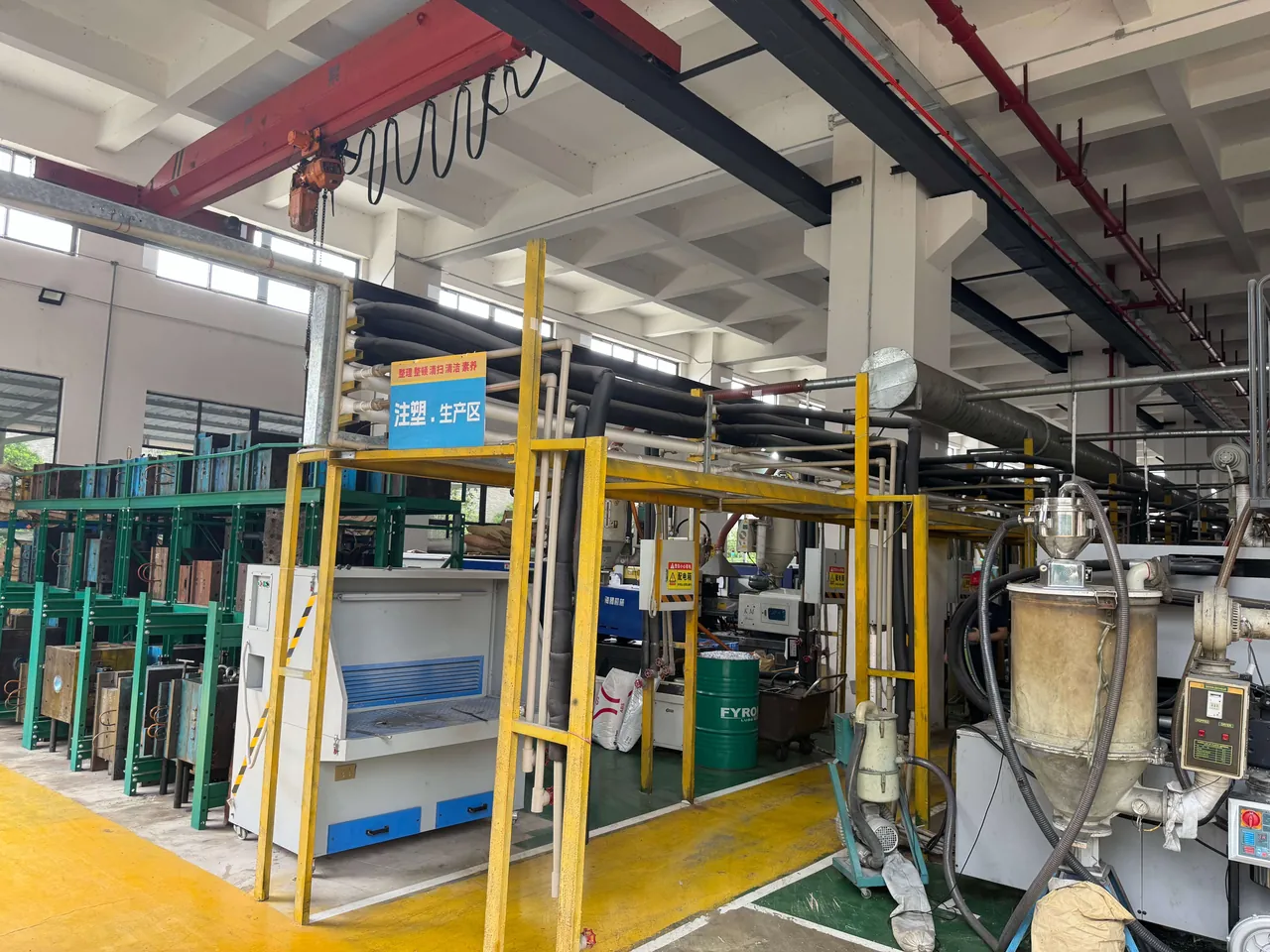
Sorting is the soul of a school lab case. Three principles: split by subject, grade by risk, layer by frequency. Physics, chemistry and biology in three cases avoid chemical residue corroding physics optics and bio specimens contaminated by rust dust; within a case grade by risk, hazardous goods and sharps in a locked cell; high-frequency gear in the easy layer, low-frequency at the bottom.
Use numbered dividers from a removable-divider case to separate "glass / metal / electronics / hazardous," label each cell with owner. JUNZHJIA can map inserts to the school's list so sorting becomes "see the cell, know the gear, catch the mistake," cutting mix-up risk. For cross-class transfer, separate cases ease "whole-case handover, responsibility to person."
Stress: hazardous goods (even small demo packs) must be locked separately per campus storage and transport rules; ordinary teaching-aid cases must not stand in. A color code on the lid — green for physics, blue for chemistry, red for hazardous — turns the rule into something a student can follow at a glance, and it prevents the classic error of a corrosive bottle riding in the same case as a precision meter.
Sealing and ingress ratings: IP65/IP67 and IEC 60529
Labs are dusty with occasional liquid splash, so cases need some rating. The international basis is IEC 60529 (mirrored by GB/T 4208), two digits after "IP" for dust and water. Daily in-school transfer, dust 5 (against harmful deposit) is enough; for outdoor carry or near wash areas, the waterproof rating explainer recommends IP65 to IP67, spray- or briefly immersion-proof.
An IP rating is a latched-lab value; open latches or aged gasket fail it, so gasket care matters. For high-altitude or air transfer (inter-school exchange), add a pressure-equalization valve so pressure difference does not suck the gasket open. Note water-proof is not "can hold unsealed liquid"; spill containment still relies on washing gear and fixing it separately. Ask for a test report and, better, do your own dusty-corridor carry test with a paper towel inside, because the printed number is only as good as the latch that holds the lid and the gasket that seals it on a real, loaded case.
Inserts and cushioning: EVA and load design
The insert decides whether gear is hit and how much energy is absorbed. EVA closed-cell foam is mainstream: adjustable density, good rebound, no shedding, corrosion-resistant. Glass uses medium-density EVA soft pockets; metal and electronics use high-density EVA support; heavy items (balance, small centrifuge) get a hard base plate at load points.
The cushion key is compression: 10 to 20 percent slight compression when the lid closes, gently clamping; too thick leaves play, too thin under-cushions. Leave 8 to 12 mm foam walls between cells for isolation and absorption. Routing is in the custom foam insert guide. Labs switching specifications use a removable-divider case for modular bays. A practical build tip: heavier balances need a thicker, denser base and a hard plate, while glass needs softer pockets so it does not crack on a hard clamp; mixing the two densities in one lid is normal and is exactly what a custom insert delivers for a mixed lab kit.
Hinges, latches and seals
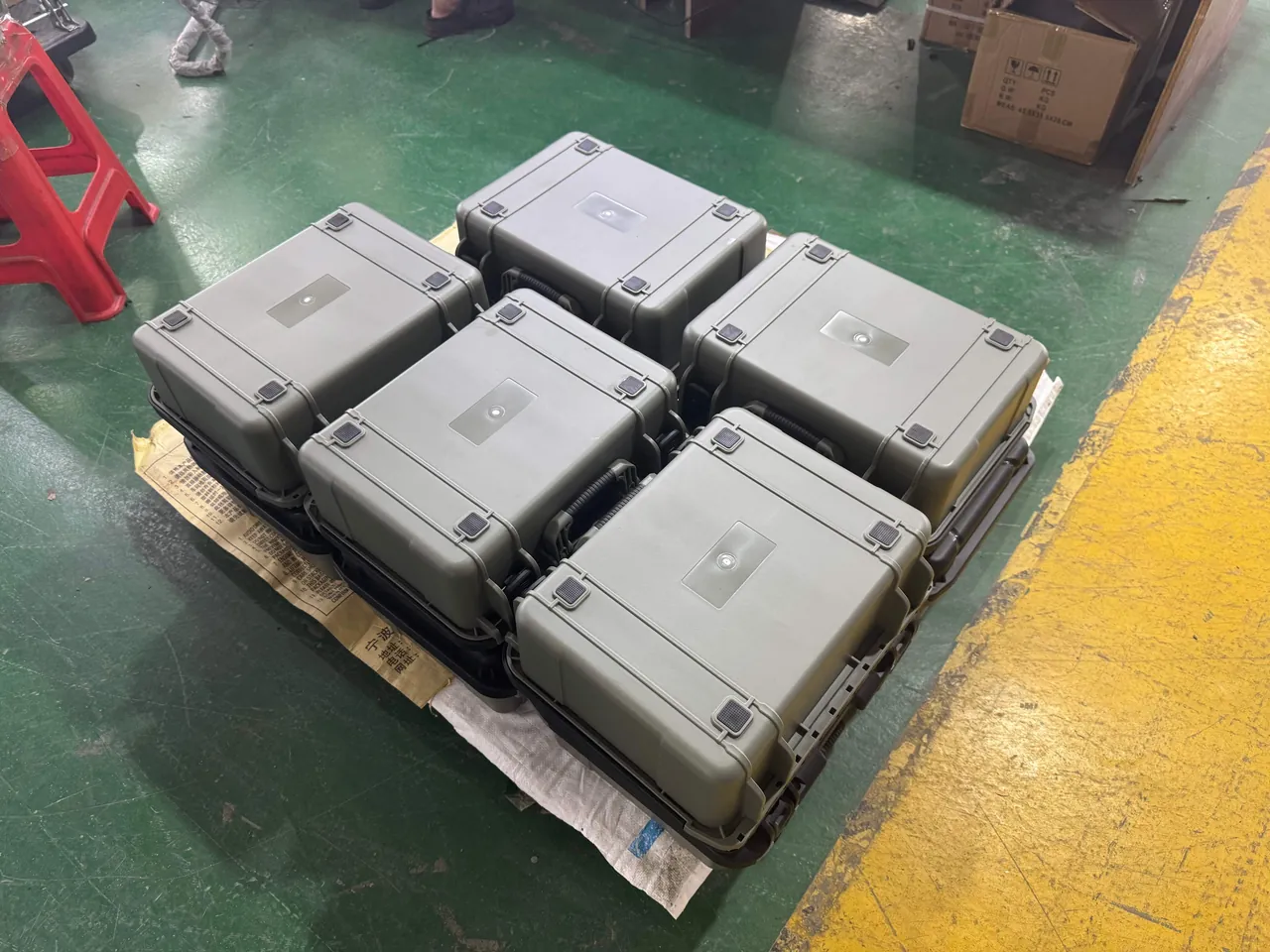
Open-close life and whether it pops open depend on hinges and latches. JUNZHJIA school cases often use stainless or nylon-clad hinges with labyrinth latches that resist rust and stay locked on rough roads. Internal links must target the live page toolbox hinge latch seal for selection and care detail — this is a real indexed page; do not misspell it or you create a dead link.
Seals are mostly EPDM or silicone: EPDM resists ozone and weathering for in-school and vehicle use; silicone tolerates wider temperature. Lab cases should choose corrosion-resistant, low-odor gaskets. Beyond dual-action lock latches, hazardous and sharp cells should add a padlock eye or separate lock position from lock customization options for responsibility split and safety audit. Keep one spare latch and a tube of compatible grease in the maintenance kit, so a failed latch never becomes a reason to ship unprotected, and a five-minute field fix keeps a lab running instead of a class cancelled for want of a single meter.
Corrosion-resistant materials and spill containment
Liners in chemistry rooms often meet reagent residue, so material corrosion resistance is key. EVA, PP and some engineering plastics tolerate common dilute acid/alkali basically, but avoid long contact with strong acid/alkali and solvents. Metal (hinge, latch) should be stainless or anti-corrosion clad to avoid rust from salt mist and reagent vapor.
Spill containment is a system action: wash and drain gear before packing; demo reagent in a separate leak-proof bottle plus absorbent cotton plus fixed cell; a pull-out absorbent tray at the case bottom catches any leak before it spreads. For higher isolation reference the gasket-plus-isolation design of a seal-shock case. Schools should drill "leak emergency response" so students and teachers know absorption, neutralization and reporting — safety as muscle memory.
A practical build: line the chemistry case bottom with a removable, wipe-clean tray and keep a small pack of absorbent pads in the lid; when a bottle weeps during a move, the pad catches it and the tray slides out for cleaning, so a small spill never becomes a stained, corroded liner that quietly attacks the next item. This is the difference between a case that ages well and one that becomes a hazard within a year.
Another practical build is a color and symbol language on the lid. Mark the hazardous cell in red with a corrosive symbol, the sharp cell in yellow with a cut symbol, and the ordinary-aid cells in green, so a student who cannot read the small print still respects the boundary at a glance. Pair that with a one-page sign-out sheet clipped inside the lid listing every item, its pocket and the responsible person, and the case becomes self-explaining: open it, see the plan, follow the plan. Schools that adopt this language across all lab cases report fewer mix-ups and a calmer cleanup, because the safety rule is printed on the object itself rather than buried in a handbook nobody carries to the bench. The goal is to make the safe choice the easy choice, and a well-designed case does exactly that.
Transport testing and standards: ISTA, MIL-STD-810H and GB/T 4208
Whether a supplier gives test basis is a professionalism divide. The international transport simulation standard ISTA (e.g., ISTA 3A single parcel) uses drop, vibration and compression for real logistics; domestically GB/T 4857 transport packaging offers equivalent tests that many buyers already recognize.
For environment, MIL-STD-810H is a US military environmental test method (used only as product-line environmental test basis, not a military certification); method 514.7 vibration and 516.8 drop verify structural integrity and seal retention of a gear case during handling, stair moves and loading. We cite it to give schools a reproducible flow, not to claim certification. With the ISTA transport testing procedure it gives a fuller real-world picture. Ask each supplier for the actual test report number and the sample configuration, because a case tested empty is not the same as a case tested loaded with a microscope and a set of glassware; weight and center of gravity both change how the case behaves in a drop down a stairwell.
Safety management and responsibility split
Another value of a school case is making safety responsibility physical. Each case maps to a gear set, a code and a responsible teacher or admin; hazardous and sharp cells lock separately, key to a dedicated person; transfer and borrowing logged. So when gear breaks or reagent misbehaves, trace to step and person fast.
On locks, reference lock customization options: ordinary aids use dual-action latches against accidental open; hazardous cells use padlock eyes with dedicated locks; inter-school exchange can use TSA positions for compliant checks. Laser-engrave owner and gear list on the lid (JUNZHJIA can customize) so "who manages, what is packed" is visible at a glance, cutting management cost. A one-page sign-out sheet clipped inside the lid turns the responsibility split from a good idea into a record the school can show an inspector, and it makes a missing item obvious the moment the case is opened at return.
Customization and OEM/ODM: subject-matched inserts
A standard case only solves "it fits." Custom inserts solve "stable, sorted and controllable." JUNZHJIA maps the school's list one-to-one: physics meters vertical, optics soft pockets, chemistry glass independent cells, biology microscope high-density pockets, hazardous locked cell — all formed to actual gear. Even hundreds of items, open the lid and locate at a glance, lifting lab prep and cleanup efficiency.
OEM/ODM also brings management visibility: laser-engrave school name, subject, owner, gear list and color on the lid; batch orders get unified material codes for asset ledger. On cost, reference the custom case mold cost analysis for tooling-versus-unit break-even — larger batch, lower unit. Pick a factory by the how to choose a case OEM factory checklist, especially checking material safety and lock compliance.
Insist on a first-article sample that you load with the real kit and drop-test yourself before committing to volume, because a case that crushes a graduated cylinder on the first stairwell drop is a case you cannot trust with a class set. A good supplier welcomes this check; a supplier that resists it is telling you something about the certificate you were shown, and a school buying for minors should weigh that signal heavily.
Cleaning and routine maintenance
A lab case accumulates reagent residue, dust and bio debris; poor cleaning corrodes, molds and cross-smells. Routine care follows the protective case cleaning guide: neutral cleaner with a soft cloth, flush chemical residue with plenty of water first then wipe, avoid solvents; liner removed and air-dried, never in sun.
The gasket is the seal-life key; inspect quarterly for hardening and cracks; a drop of silicone oil keeps latch parts smooth. A case's service life in years tracks maintenance — a well-kept metal case lasts over ten years. Before switching subjects, vent the empty case to clear smell. Also see genuine vs fake case identification to avoid substandard boxes that look similar but fail on the first rough trip. A short maintenance sticker inside the lid with the last-inspection date turns good intent into a habit, and it reminds the team to flush the chemistry cell and wipe the tray before the case goes back on the shelf.
Buying checklist and scenario recommendations
Condensing the points above into a checklist is most intuitive when shown as a table:
| Scenario | Core equipment | Recommended protection | Suggested rating |
|---|---|---|---|
| --- | --- | --- | --- |
| Physics lab | Meters, optics, sensors | Vertical seat, soft pocket, dust | IP54 to IP65 |
| Chemistry lab | Glass, metal, reagent | Corrosion-proof, leak, lock | IP65 to IP67 |
| Biology lab | Microscope, specimen, tools | High-density pocket, damp-proof | IP54 to IP65 |
| Cross-class transfer | All-subject aids | Separate cases, numbering, owner | IP54 to IP65 |
| Inter-school exchange | Demo kit | Lock, valve, shock | IP65 to IP67 |
| Insert material | Suits | Advantage | Caution |
|---|---|---|---|
| --- | --- | --- | --- |
| High-density EVA | Microscope, balance | Strong support, corrosion-proof | Slightly costlier |
| Medium-density EVA | Glass, measures | Soft wrap, no shed | Calibrate thickness |
| Polyurethane sponge | Temporary buffer | Cheap, soft | Sheds, needs isolation |
| Non-woven layer | Specimen, optical face | No shed, low odor | Replace periodically |
JUNZHJIA can combine the above into a full-case solution from compartments, corrosion-resistant liner to lock responsibility split in one pass and provide material and safety notes for lab archiving. The aim is not the toughest box, but the right box whose insert matches your real kit and whose maintenance you can actually sustain through a busy term.
A practical selection method is to design around the highest-risk item, not the average. If the chemistry cell holds the only corrosive residue or the biology cell holds the only precision microscope, protect those cells first with corrosion-proof liner, lock and desiccant, then fit the rest around them. Buyers often size the case to the bulk and leave the risky item under-protected, which is exactly where a safety incident starts. Next, decide which cells must lock: hazardous goods and sharps are non-negotiable, and the lock should be a real padlock eye with a named key holder, not a latch you hope stays shut. Then match the rating to the route: an in-school move needs only dust protection, while an inter-school exchange needs IP67 and a pressure valve. Price the case against one broken microscope or one leaked reagent, and the custom insert pays for itself on the first safe term. The cheapest quote rarely survives contact with a real lab schedule, so weigh the declaration and the spare parts as much as the sticker. Keep the hazardous cell key with a named person and never skip the handover log, because the sustainability of lab safety depends on exactly these small, repeatable rules.
Frequently Asked Questions
Q: Why can school lab gear not be mixed in one case? A: Mixing multiplies risk. Chemical residue can corrode physics optics and metal; bio specimens get contaminated by rust dust; glass clinks and breaks; hazardous goods with teaching aids is a safety hazard. The right move splits by subject and grades by risk: three cases for physics, chemistry, biology, hazardous and sharps in a locked cell. Use numbered dividers from a removable-divider case to separate "glass / metal / electronics / hazardous"; JUNZHJIA can map inserts to the list so sorting is "see the cell, know the gear," cutting mix-up and wrong-pick risk. A color code on the lid turns the rule into something a student can follow at a glance, preventing a corrosive bottle from riding with a precision meter.
Q: How to prevent corrosion and leakage in chemistry transport? A: Two layers. Gear layer: dry metal before packing, thin oil if needed, glass in independent cells to avoid clinking. Spill layer (spill containment): any item that may hold liquid must be emptied, washed and drained before packing; demo reagent follows the ADR/IMDG hazmat transport case logic — fixed, upright, leak-proof, locked, meeting campus and logistics rules, never with teaching aids. Choose a corrosion-resistant liner and a pull-out absorbent tray at the bottom so any leak is caught, not spread. Schools should build an "out-check-leak, return-wash" SOP, and a monthly open-and-sniff check catches a missed residue before it damages the next neighbor.
Q: How to protect a microscope in the case? A: The microscope is the delicate king; use high-density EVA custom pockets with lens up and focus knob fixed, formed by the EVA foam custom process; the objective fears scratch, mold and shock, so add a dust cap and dehumidify. Put fixed food-grade desiccant inside, steadier with the seal-shock case gasket. Lay slides flat in soft cells and dehumidify; specimen box separated and light-blocked; sheath dissecting edges before fixing. Never pack flat under pressure to avoid magnet and optics damage. Trap the coarse-focus knob with a small strap so the head cannot swing during transit, because a fogged or scratched objective is hard to repair and limits what a whole class can observe.
Q: Can an IP67 school case hold unsealed liquid reagent? A: No. IP67 is a latched-lab value: immersed 1 m for 30 minutes without ingress, enough for rain and high humidity, but not "can hold liquid." An unsealed reagent leaks regardless of case water-proofing. The right move is wash and drain the reagent or put it in a leak-proof bottle fixed and locked; demo reagent must meet hazardous-goods rules and isolate separately. Rating boundaries are in the waterproof rating explainer. For high-altitude transfer add a pressure-equalization valve. Do a dusty-corridor carry test with a paper towel inside; the printed number is only as good as the latch and gasket on a real, loaded case.
Q: Can hazardous goods and small reagent packs go in an ordinary aid case? A: No. Even small demo packs must be locked separately per campus hazardous-goods storage and transport rules; ordinary aid cases must not stand in. Set a separate locked cell, key to a dedicated person, transfer and borrowing logged for trace and audit. On locks see lock customization options padlock eye or TSA position. Making safety responsibility physical is the core value of a school case over loose shelves, and a sign-out sheet clipped inside the lid makes a missing item obvious the moment the case is opened at return, which is exactly what an inspector wants to see.
Q: Does the case material need corrosion resistance? A: Chemistry-room liners often meet reagent residue, so corrosion resistance matters. EVA, PP and some engineering plastics tolerate common dilute acid/alkali basically, but avoid long contact with strong acid/alkali and solvents; metal hinge and latch should be stainless or anti-corrosion clad to avoid rust from salt mist and reagent vapor. JUNZHJIA can provide material notes in OEM projects for school safety archiving. Avoid solvent cleaners; see the protective case cleaning guide. Heat design can reference an extreme-temperature case, and a removable wipe-clean tray at the bottom keeps a small spill from becoming a stained, corroded liner.
Q: How to control cost in bulk purchase? A: Watch tooling amortization and MOQ. One-off CNC routing has no fixed mold cost but higher unit; die stamping is cheaper per unit but needs MOQ. Reference the custom case mold cost analysis for break-even; larger batch, lower unit. Unify specifications (same-size case + swappable insert) to cut SKUs, inventory and volume. Pick a factory by the how to choose a case OEM factory checklist, checking material safety and lock compliance — the items school cases should watch most. Insist on a first-article sample you drop-test with the real kit before volume commitment, because the cheapest quote often hides rework cost later and a school buying for minors should weight that signal heavily.
Q: What about inter-school exchange transport? A: Focus on structural strength, locks and pressure. Structure verified by MIL-STD-810H compliance vibration-drop for stair moves and loading; hazardous and sharps locked separately, key with a dedicated person; high-altitude or air adds a pressure-equalization valve against gasket suck-open. Label the outer case with gear list and owner; inventory before use on arrival. With the ISTA transport testing procedure it gives a fuller real-world picture. A sign-out sheet clipped inside the lid makes the responsibility split a record the receiving school can verify, so nothing is lost across the exchange and nothing hazardous travels undeclared.
Q: How often to maintain a lab case? A: Depends on frequency and environment. High-frequency in-school labs suggest a major maintenance each term: check gasket for hardening and cracks, latch for smoothness, liner for shedding; chemistry cases check residue after each return. A case's service life in years tracks maintenance — a well-kept metal case lasts over ten years. Before switching subjects vent the empty case; use food-grade deodorizer if needed. Avoid substandard boxes; see genuine vs fake case identification. A maintenance sticker with the last-inspection date turns good intent into a habit, and it reminds the team to flush the chemistry cell and wipe the tray before the case goes back on the shelf.
Conclusion and Further Reading
A school lab equipment case is not "a cabinet for instruments"; it is a system covering sorted storage, corrosion resistance, spill containment, compliant transport and responsibility management. From the three-case physics/chemistry/biology split to the microscope's high-density pockets, from the EVA compression ratio to the real boundary of IP ratings, every detail bears on teaching rhythm and student safety. JUNZHJIA offers a complete solution from compartments, corrosion-resistant liner to lock responsibility split and can issue material and safety notes so schools turn lab gear protection into an archivable, repeatable, person-responsible standard.
Further Reading