

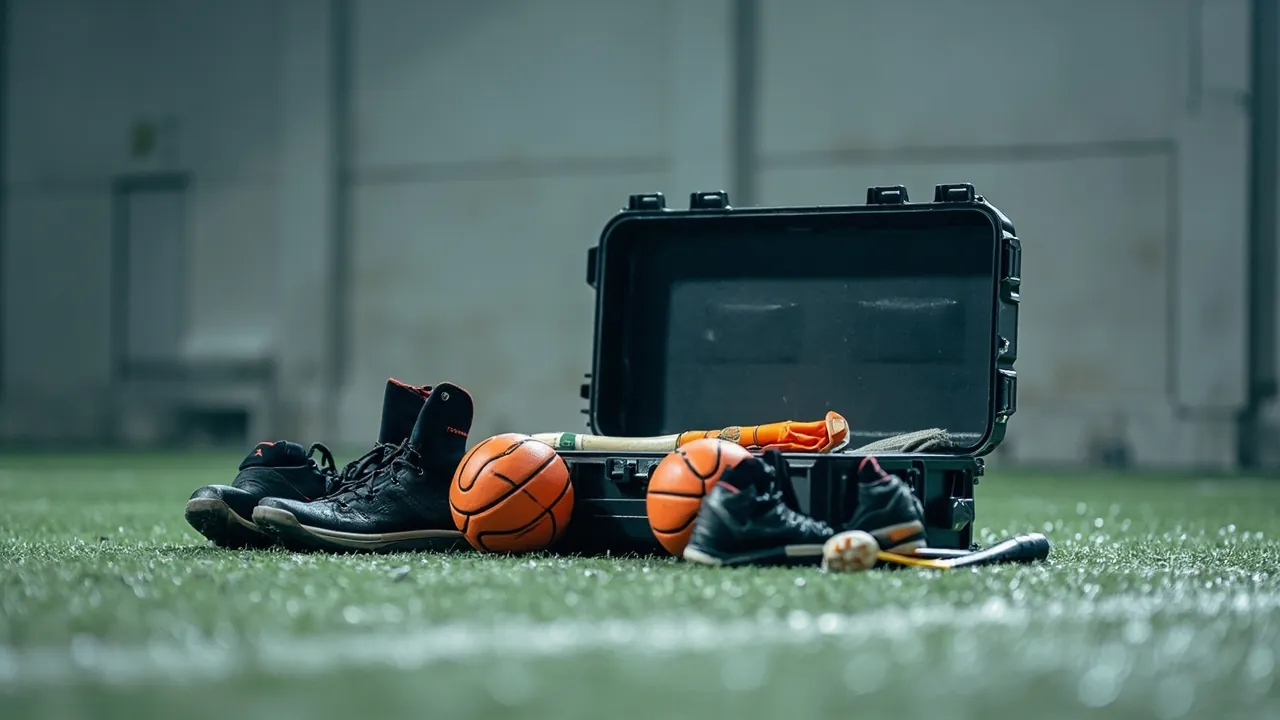
Team ball-sports equipment management has distinct "bulk, easily lost, pressure-fearing" characteristics: a team's training kit often includes a dozen balls, marker cones, training bibs, scoreboards, whistles, a medical pack and personal items. Loose transport easily loses pieces, mixes colors and crushes balls. The core conclusion for a professional ball-sports gear case is to use "independent ball-fixation bays plus zoned labeled storage plus sealed hard shell" to achieve orderly storage, efficient inventory and balls free from compression deformation. This article systematically explains the selection of football, basketball and volleyball training-kit protection cases from risk, standards, shell, ball fixation, kit zoning, label management, sealing compliance to bulk procurement, targeting school teams, clubs, sports wholesalers and event support.
Buyers should write "zero ball crush, zero kit loss, zero inventory error" into acceptance. Plan internal zoning together with the internal case seal materials guide and the removable divider system.
Table of Contents
- Transit Risks of Ball-Sports Training Kit
- Protection Grades and Standards Basis
- Shell Material and Capacity Selection
- Independent Ball-Fixation Bay Design
- Zoned Storage for Training Supplies
- Label and Inventory Management
- Liner Cushioning and Anti-Displacement
- Sealing Latches and Pressure Equalization
- Moisture Control and Leather-Ball Protection
- Wheels Handling and On-Site Support
- Purchase and OEM Customization
- Maintenance and Service Life
- Team Size and Case-Capacity Planning
- Outdoor Fields and Severe-Weather Response
- Frequently Asked Questions
Transit Risks of Ball-Sports Training Kit
Ball-sports kit transit has three categories of risk. First, ball crush deformation: basketballs and volleyballs are inflatable leather or synthetic balls; prolonged compression leaves permanent dents that affect bounce and roundness; footballs are more pressure-tolerant but still deform under stacking. Second, kit loss and color mix: marker cones, training bibs (color-coded), scoreboard small parts are easily lost or cross-colored in loose transport. Third, moisture and mold: leather balls and bibs mold in hot-humid environments.
Protection must solve "anti-pressure, anti-loss, anti-moisture" together. Ordinary mesh bags or soft cases offer almost no ball compression resistance and cannot zone orderly, which is exactly why a professional gear case is needed. Bulk acceptance references the custom case acceptance AQL standard and writes "ball crush rate" into defect grading.
Protection Grades and Standards Basis
Case reliability still depends on standards. Shell sealing follows the IP code of IEC 60529 / GB/T 4208; ball cases achieving IP65 or IP67 cope with rainy field loading and condensation. Environmental adaptability follows the drop, vibration and damp-heat methods of MIL-STD-810H (test basis only, not a military certification). Transport reliability follows the vibration-plus-drop of ISTA and GB/T 4857. Flame retardancy UL94, enclosure impact IK (IEC 62262).
The table below lists key items:
| Standard / Grade | Dimension | Typical Value | Acceptance Focus |
|---|---|---|---|
| --- | --- | --- | --- |
| IEC 60529 / GB/T 4208 | Dust & water | IP65 / IP67 | Seam latch sealing |
| MIL-STD-810H | Environmental | Drop, vibration, damp heat | Test basis, not military |
| ISTA / GB/T 4857 | Transit reliable | Vibration + drop | Intact rate, defect grade |
| UL94 | Flame retardancy | V-0 / V-2 | Self-extinguish |
| IK (IEC 62262) | Impact resistance | IK08–IK10 | Corner latch impact |
Writing into the agreement avoids mismatch; see the MIL-STD-810H compliance note and the ISTA transport testing procedure.
Shell Material and Capacity Selection
Ball cases prioritize modified PP one-piece injection, light and impact resistant; large-capacity versions can add aluminum corner guards for stiffness. Capacity should be reversed from "team size": reserve margin based on a team of 12–15 balls plus a full set of training supplies.
Latches and hinges must meet the reliable closure of the case hinge latch seal system and should withstand full-load opening. A lighter short-haul version can reference the portable transport box thinking; for wholesale customers printing logos, PP injection facilitates coloring and silk-screening.
Independent Ball-Fixation Bay Design
Ball fixation is the core of a ball case. The method is to CNC-cut hemispherical or grid support grooves by ball diameter so each ball embeds independently without mutual compression; basketballs and volleyballs use elastic straps or foam pressure plates for slight limiting to avoid rolling impact. Footballs can be slightly tighter but need buffer.
Key point: the support groove depth should wrap more than one-third of the ball, and the ball should not displace or receive sustained pressure after the lid closes. Reference the EVA foam custom process and the multi-point support in the cushion liner case. JUNZHJIA can customize support by standard ball diameter, structurally eliminating crush.
On the support format, basketballs and volleyballs have similar diameters (about 22–24 cm) and can use the same hemisphere-groove array; footballs are slightly smaller (about 21–22 cm) and can be a separate zone or shared with elastic limiting. To avoid rolling impact between balls, leave a 1–2 cm foam wall between grooves and use elastic straps or plates for "light pressure without displacement" secondary fixation, noting that pressure is only at the ball equator and avoids the valve. For mixing size-5 match balls with size-3 training balls, use a removable divider to separate large and small ball zones, preventing small balls from wandering in gaps. In material, the foam surface contacting leather balls should be fleeced to reduce friction-peel risk; ball bays under long pressure should be checked each season for insufficient rebound and locally re-cut if needed. At sampling, JUNZHJIA uses standard inflated balls for lid-closing simulation, verifying each ball independent without mutual pressure and the valve not pushed, landing "zero crush" as an acceptable engineering metric.
Zoned Storage for Training Supplies
Marker cones, training bibs, scoreboards, whistles and medical packs are the easiest to lose. Use transparent mesh pockets or partitioned drawers by layer: bibs color-coded by grid to prevent cross-color, cones stood and limited, medical pack in a separate breathable bag meeting the isolation requirements of the medical first-aid case guide.
The zoning logic uses the removable divider system to keep "ball zone / bib zone / equipment zone / medical zone" from interfering, improving protection and inventory. Reasonable zoning locates any supply within 30 seconds of opening, especially important for event support.
In execution, we recommend putting "high-frequency and easy-to-lose" supplies in the transparent mesh pocket on the inside of the lid: whistles, timers, spare ball needles and division wristbands are taken at a glance without rummaging; marker cones are stood and limited in groups of 5 or 10 to prevent horizontal rolling and mutual knocking; training bibs are strictly gridded by red and blue (or more division colors) and fixed with hook-and-loop to avoid color mixing and division chaos during matches. Scoreboards and corner flags as flat long items get a separate edge bay, not crossing other supplies. The medical pack must be independently breathable with ice packs and disposable gloves, isolated and labeled per the medical first-aid case guide, and never share a grid with desiccant or cleaning chemicals to prevent cross-contamination. Number each grid with a label and an erasable checklist, checked twice before and after the match, which simultaneously drives the three accidents of "loss, color mix, omission" to the minimum, and is the key reason professional clubs pay for custom liners.
Label and Inventory Management
The pain point of team equipment management is "uncountable inventory." We recommend numbering labels on dividers, each grid corresponding to a supply list; an erasable inventory sheet attached inside the lid is checked on opening. Color management: red and blue bibs in separate grids, cones by color zone, avoiding pre-match chaos.
JUNZHJIA's custom liner can integrate "balls + bibs + equipment + medical" into one case with reserved label positions, reducing the buyer's piecemeal cost and lowering loss rate. For school teams and clubs, a unified labeling system significantly improves support efficiency.
On the ground action, we recommend each case carry a "three-piece set": an erasable inventory sheet on the inside of the lid, numbered labels on dividers, and a paper roster in a waterproof bag. Check by list before the match for loading, restore by sheet after the match, and an empty grid triggers an alarm. For schools where multiple echelon teams share equipment, label the affiliation color of "first team / second team / youth" to avoid hygiene and wear disputes from mixed use. JUNZHJIA can preset label positions, pockets and list slots at the liner sampling stage, making "standardized support" executable hardware rather than a slogan, especially suitable for campus scenarios with high equipment-manager turnover.
Liner Cushioning and Anti-Displacement
The liner both fixes balls and supplies and isolates vibration. Medium-density foam supports balls and high-density limits equipment, a common combination. The key is compression rebound: long-pressed zones collapse, so replace or locally re-cut every one to two years. Material comparison is in the case foam material comparison. Zoning uses removable dividers for easy adjustment by team size.
On anti-displacement details, relying only on "grids" is not enough; you also need the double insurance of "pressure" and "fill": use elastic straps for light-pressure limiting on balls, and mesh elastic bands on bibs and equipment to prevent upward jumping in transit; fill all gaps between case and liner with scrap foam or inflatable pads to reduce overall resonance amplitude. Ball cases in particular are frequently towed between fields; if there is play between liner and shell, long-term it wears out noise and accelerates foam fatigue. At the sampling stage, JUNZHJIA does an "empty-case shake test" to ensure zero play between liner and shell after loading and no cross-migration of grid contents. For easily worn mesh and straps, we recommend sampling seam strength per the custom case acceptance AQL standard at procurement, and including spare straps as worn parts in the stock list to avoid on-site breakage affecting support.
Sealing Latches and Pressure Equalization
Water and dust resistance rely on sealing, but high-altitude flight needs a pressure equalization valve to avoid suction lid, as detailed in the case pressure equalization valve. Dual latch plus silicone gasket is the mature solution with secondary safety against accidental opening. Sealing structures also reference the waterproof IP case and the seal shock case.
On a ball-gear case, the pressure equalization valve is equally critical: team expeditions often involve air freight or high-altitude training, and once the sealed case returns from low pressure to normal pressure the internal-external difference will "suck" the lid shut, making opening difficult and damaging the latch. JUNZHJIA uses a self-resetting waterproof breathable valve that balances pressure while keeping the IP67 grade intact. For latches, a symmetric dual-latch layout is recommended so the lid is stressed evenly and the seam compressed consistently, avoiding a single latch loosening under eccentric load; the secondary anti-accidental-opening safety prevents the latch springing open under transit jolting. For tournament-support scenarios with frequent opening and closing, the latch and gasket should be listed as easily worn spares, with a replacement cycle set per the protective case service life years, keeping protection from decaying across multiple consecutive match schedules.
Moisture Control and Leather-Ball Protection
Leather and synthetic balls fear moisture and mold, as do bibs. Method: renewable desiccant inside, humidity indicator card on lid; keep humidity 40%–60% for long storage. In high humidity prioritize an IP67 style (see IP67 protective case selection) and verify material stability within the temperature range of the extreme temperature case. Wipe condensation promptly after arrival to extend ball life.
On the maintenance of leather and synthetic balls, after getting damp never expose to sun for quick drying, otherwise the surface cracks easily and the adhesive layer peels; it should be placed in a cool ventilated place to naturally re-dry, then thinly coated with ball-care spray or petroleum jelly. If textiles such as bibs and protectors mold, first treat locally with neutral cleaner then dry thoroughly, never return wet to the case. The in-case desiccant is recommended to be aired, regenerated or replaced every 1–2 months, and do a full wipe-dry before long sealing. For high-frequency school teams, write "wipe balls before each return, check desiccant monthly" into the equipment-management SOP, combined with the cleaning rhythm of how to clean a protective case, significantly extending ball and bib life. JUNZHJIA's removable liner supports whole-piece washing, more hygienic for hot-humid regions than fixed liners, and easier to rezone by team size.
Wheels Handling and On-Site Support
A case full of team supplies often exceeds 15 kg; transfers between fields rely on wheels and trolley. Recommend dual-row large-diameter bearing wheels and a two-stage locking handle, with ergonomic handles on both sides with metal inserts. Structures are in the case wheels and trolley handle. For school teams commuting to training, wheel smoothness directly determines experience.
On selection details, a ball case often exceeds 15 kg when full; if wheels stick or the handle wobbles, the round trip to the court becomes physical consumption. We recommend dual-row large-diameter bearing wheels whose single-wheel rated load covers the full load with 30% margin, with sealed bearings against sand and mud for grass and dirt fields; the trolley locks in two stages with a rubber grip. The case should keep ergonomic handles on both sides with metal inserts for locker rooms and stand steps without elevators. For school teams needing to board buses, the case height is recommended to fit upright through the luggage compartment mouth. JUNZHJIA can customize wheel specification and handle position by the school's actual transport path at the OEM stage, building the "last mile" ergonomics into the product rather than remedying afterward.
Purchase and OEM Customization
Procurement "defines standard before style": protection grade, whether a pressure valve, whether custom liner, whether brand printing, whether reserved label positions. MOQ and tooling are in the custom case mold cost analysis, and the factory flow is in how to choose a case OEM factory.
JUNZHJIA provides an OEM/ODM solution from PP hard shells to EVA custom liners, can match seals and liners by standard ball diameter and team size and supply test documentation to help write standards into contracts. For sports wholesalers and clubs, solving "shell + liner + testing" at once is the most worry-free.
In customization depth, the "label position" and "checklist slot" of a ball case often affect experience more than cosmetic differences: JUNZHJIA can preset numbered label positions, transparent pockets and checklist slots at the liner sampling stage, putting standardized support into hardware; for schools with multiple tiers, ownership-color labels such as "first team / second team / youth" avoid loss and hygiene disputes from mixed use. If a team needs to share a case across sports (for example basketball and volleyball rotating), a "semi-custom" solution of removable dividers plus tear-off separators lets the zone be rebuilt per team, saving inventory over buying dedicated cases. For sports wholesalers and OEM customers, JUNZHJIA provides English spec sheets and compliance summaries together with the factory-selection logic in how to choose a case OEM factory, easing overseas customs clearance and batch consistency, a worry-free back-end support for sports brands going global.
Before ordering, we recommend filling a three-part table of "roster list + transport scenario + budget range": the list states ball counts and diameters, bib colors and pieces, cones and medical pack; the transport scenario distinguishes on-campus short-haul, event expedition or cross-border sea; the budget decides general liner or CNC custom ball bay. JUNZHJIA can then give three tiers of "standard / advanced / premium" with the protection grade, whether a pressure valve and test documents are included, and the spare-part policy for worn parts. For OEM and overseas customers, English spec sheets and compliance summaries can also be provided for overseas customs clearance and acceptance. Turning selection from "by feel" into "tier by table" significantly reduces communication cost, return rate and arrival disputes, and facilitates multi-echelon batch replication by a unified template.
Maintenance and Service Life
Every 50 transfers or six months: wipe the gasket with neutral cleaner (see how to clean a protective case), check hinge rust, latch looseness, pressure valve clarity and wheel smoothness. Lifecycle management is in the protective case service life years. Authenticity identification is in identify genuine vs fake case, recommended to write into acceptance clauses.
Common Protection Misconceptions
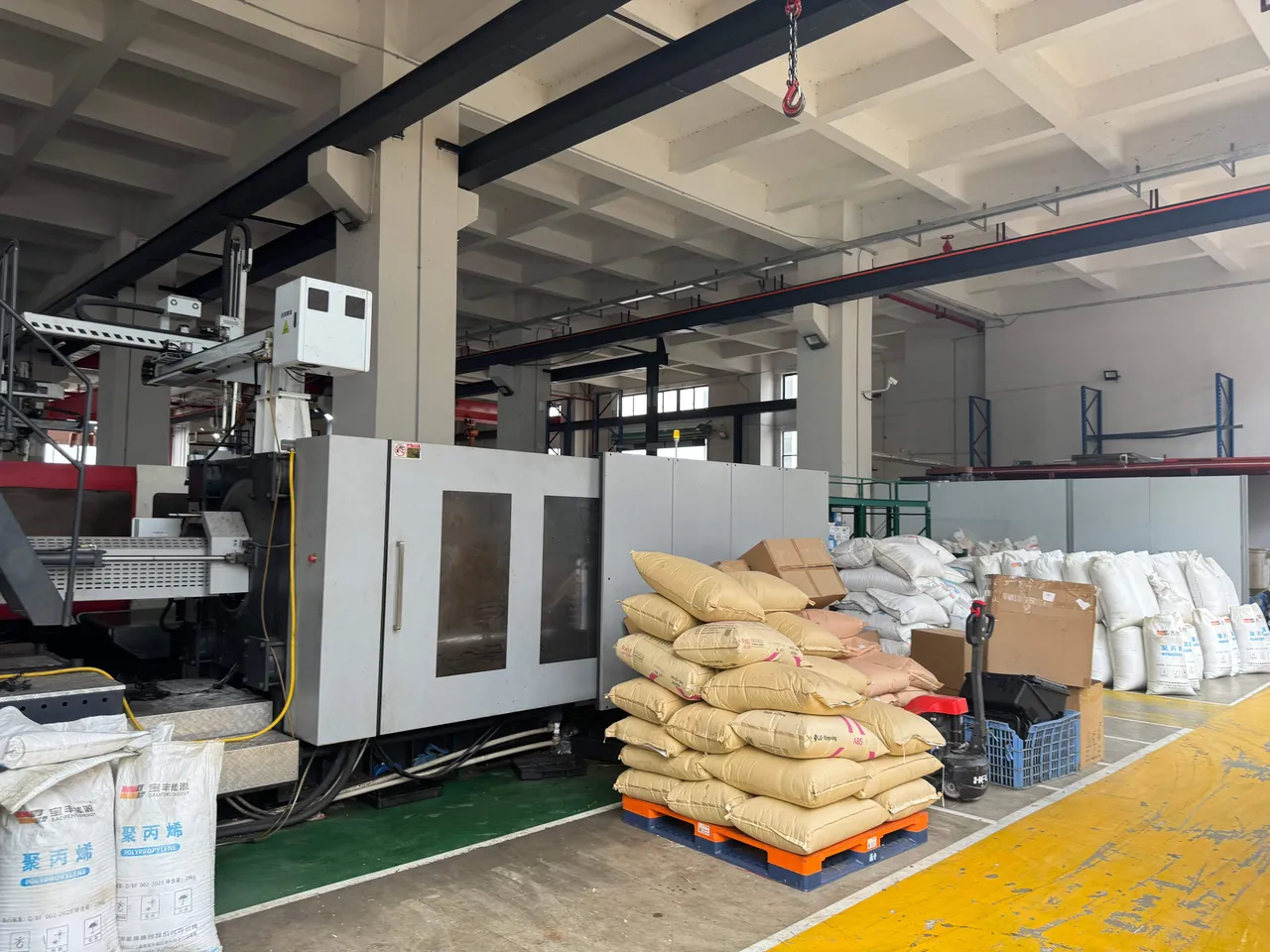
Misconception one: balls in a bag are fine — soft bags have no compression resistance and stacking crushes them. Misconception two: the bigger the case the better — too large is hard to fix and easy to displace. The correct approach reverses capacity from team size, using independent fixation bays plus zoned labeling. Liner collapses under long-term pressure; replace the high-load zone every one to two years. JUNZHJIA supports local re-cutting without replacing the whole set.
Bulk Procurement Acceptance and Cost
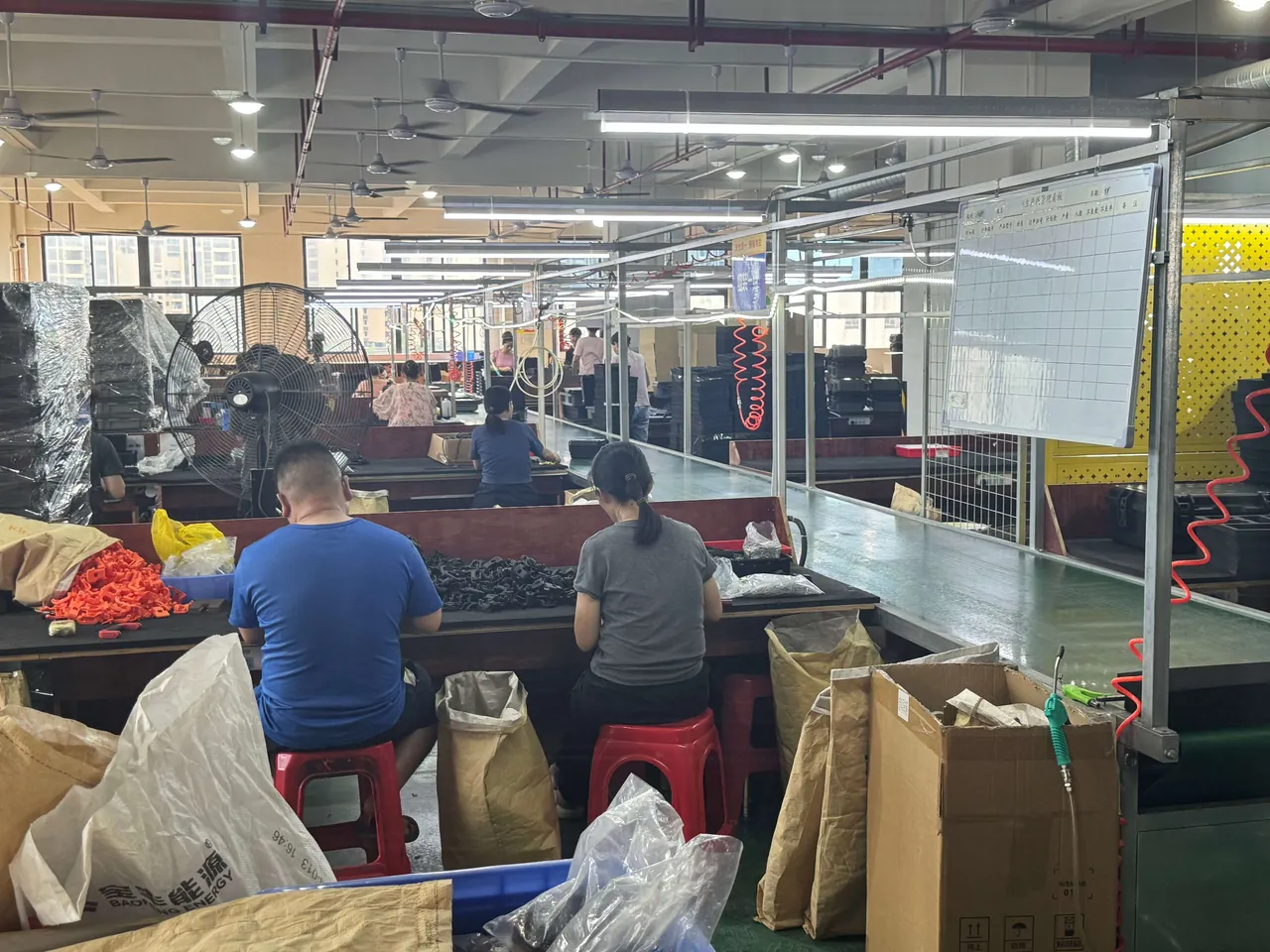
Bulk procurement converts comprehensive cost of ownership: require per-batch ISTA or GB/T 4857 sampling reports and sample by AQL; clarify spare-part prices and lead times for easily worn parts such as latches, wheels and pressure valves. On cost, the PP shell is dominated by material and injection, the liner by tooling and cutting; the larger the batch the lower the unit, but weigh inventory.
Team Size and Case-Capacity Planning
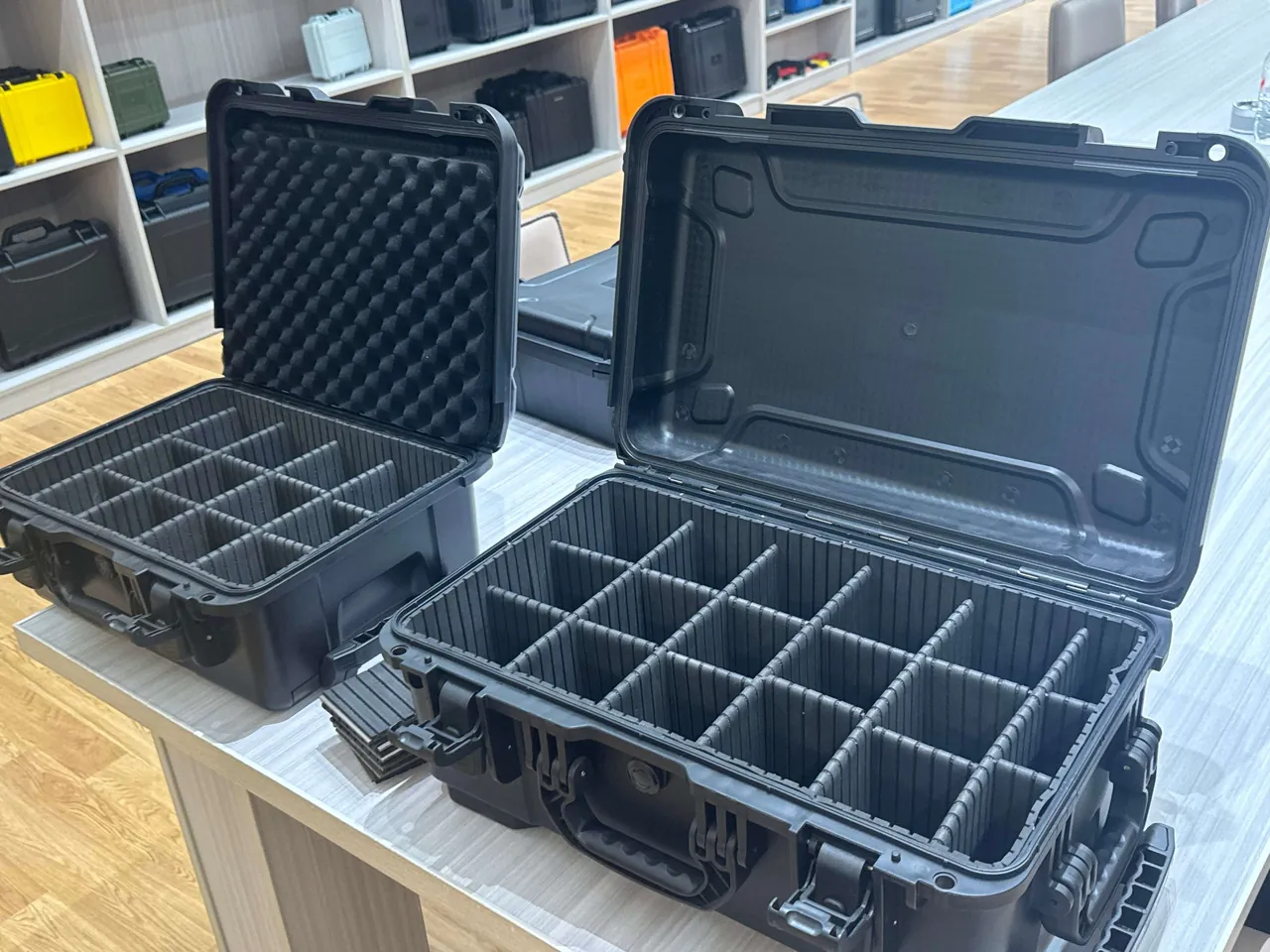
The capacity of a ball-sports gear case should not be "bought by eye" but reversed from team size. A standard school or club team usually configures: 12–18 match and training balls in total (football can be more by shift), 20–30 training bibs (half red and half blue), 10–20 marker cones, several scoreboards and corner flags, whistles and spare ball needles, a medical pack with ice packs, and coach personal supplies. Multiply each item by its volume, then add 15%–20% margin, which is the reasonable lower bound of interior net capacity.
We recommend a modular approach in planning: the ball independent fixation bay is designed by maximum ball diameter, bibs and equipment are flexibly adjusted with removable dividers, and the medical pack is independently breathable and isolated (see medical first-aid case guide). This adapts to a full first-team roster and can be recombined by dividers when a youth team shrinks, without buying a separate small case. JUNZHJIA can customize liner zoning and label positions by the customer's "roster list," turning capacity planning from experience estimation into a reusable template.
Capacity should also match the transport: if mainly transferred by car trunk, the case height and width are limited by the tailgate; if by bus or freight, it can be stacked on pallets. Before procurement, list three items — maximum roster, transport mode and margin — then reverse-engineer the exterior dimension, avoiding buying too large to fit the car or too small to fit the team.
Outdoor Fields and Severe-Weather Response
Ball training is often outdoors, so the gear case must face rain, mud, scorching sun and temperature swings. First, water and dust proof: rainy field loading and muddy grass balls entering the case will contaminate the liner and accelerate leather-ball mold if the case is not sealed. Prioritize an IP67 style (see IP67 protective case selection), the latch and hinge meet the closure requirements of the case hinge latch seal system, and the silicone gasket at the seam is a continuous closed loop.
Second, UV and high-temperature resistance: prolonged sun exposure ages the PP shell and foam and fades bibs. Avoid long direct sun in the car during storage and choose a weather-resistant shell formula; for high-temperature and high-humidity environments, reference the temperature-range validation of the extreme temperature case. Third, mud cleaning: before grass balls enter the case, wipe off floating mud with the cleaning cloth that comes with the case; after arrival, the liner can be removed and washed, method in how to clean a protective case. Fourth, moisture control: leather and synthetic balls mold in hot-humid environments, so place renewable desiccant inside, attach a humidity indicator card to the lid, and keep humidity at 40%–60% long term.
The table below gives response points for different weather:
| Weather Scenario | Main Risk | Response Point |
|---|---|---|
| --- | --- | --- |
| Rainy field | Water in, contamination | IP67 + gasket + wipe mud before entry |
| Scorching sun | Aging, fading | Weather shell + avoid direct sun |
| Humid plum rain | Mold | Desiccant + humidity card + ventilation |
| Severe cold snow | Brittleness | Low-temp formula + indoor rewarm |
JUNZHJIA can provide weather-resistant shells and moisture-proof liners customized by ball diameter, with supporting test documents, a stable solution for school and club outdoor support.
Frequently Asked Questions
Q: Why can't basketballs and volleyballs be shipped loose or in soft bags? A: Basketballs and volleyballs are inflatable leather or synthetic balls; prolonged compression leaves permanent dents that directly affect bounce and roundness, especially sensitive for professional match balls, while footballs are more pressure-tolerant but still deform under stacking. Soft bags have no compression-resistant structure, so stacked transport inevitably crushes them. The correct approach is independent fixation bays: CNC-cut support grooves by ball diameter, each ball embedding independently without mutual compression, with elastic straps or foam plates for slight limiting against rolling impact. The groove depth should wrap more than one-third of the ball, and after the lid closes the ball should not displace or receive sustained pressure. JUNZHJIA can customize support by standard ball diameter, structurally eliminating crush, a stable choice for team support.
Q: How to zone team training supplies so nothing is lost or cross-colored? A: Marker cones, training bibs, scoreboards, whistles and medical packs are the easiest to lose. Use transparent mesh pockets or partitioned drawers by layer: bibs strictly color-coded by grid to prevent cross-color, cones stood and limited, medical pack in a separate breathable bag and isolated. The zoning logic uses a removable divider system to keep ball zone, bib zone, equipment zone and medical zone from interfering. Combined with numbered divider labels and an erasable lid inventory sheet, checking on opening locates any supply within 30 seconds. JUNZHJIA's custom liner can integrate balls, bibs, equipment and medical into one case with reserved label positions, significantly lowering loss rate and clearly improving support efficiency for school teams and clubs.
Q: Must a ball-sports gear case be IP67? A: It depends on the environment. If transfers are short-haul within school or club and always supervised, IP65 dust-tight and water-spray protected is usually enough. If it involves outdoor rainy field loading, cross-border or rainy environments, IP67 is safer, coping with open-air rain and condensation. The judgment should combine compression resistance, water proof and moisture proof rather than looking at IP in isolation. At procurement, ask the supplier for the GB/T 4208 corresponding grade note and treat the actual waterproofing at seams and latches as an on-site acceptance point. For leather balls, one extra grade of protection often means fewer mold-claim batches.
Q: Should the liner be EVA tear-off divider or CNC custom foam? A: For mixed teams with frequently changing sizes, EVA tear-off dividers are low cost and field adjustable. For fixed sizes pursuing zero crush and zero loss, CNC custom foam has the best fit. They can also be combined: a universal outer layer with tear-off dividers and a custom support bay for balls. The key is controlling the fit clearance between liner and shell; too large fails fixation, too small prevents lid closing. Provide ball diameter and supply list before bulk customization so the manufacturer can simulate lid-closing pressure and zoning. Referencing the custom foam inserts guide and the EVA foam custom process brings support precision to the millimeter.
Q: How to tell whether a case is real PP or recycled material? A: Judge from three aspects. First, odor: new PP is almost odorless, recycled material is pungent. Second, wall thickness and texture: recycled material is brittle, dull and uneven. Third, latches and hinges: inferior cases use thin-wall plastic hinges that break easily. A more rigorous method is to require the supplier to provide material grade and third-party testing, combined with the genuine versus fake case identification points for acceptance. For B2B procurement, writing material requirements and authenticity identification into contract acceptance clauses avoids after-sales disputes and brand risk at the source, especially critical for OEM sports wholesalers.
Q: How often should a transport case be maintained, and how? A: We recommend basic maintenance every 50 transfers or six months: wipe the silicone gasket with neutral cleaner and check for cracks; check hinge-core rust and latch looseness; confirm the pressure valve is clear; check wheel smoothness and trolley locking. Aged gaskets, loose latches and worn wheels all weaken protection and should be replaced at threshold. Lifecycle management establishes replacement standards by referencing the protective case service life years, and stock easily worn parts in advance. Maintenance also detects authenticity and material degradation early, a key action to extend asset life and guarantee intact delivery.
Q: In bulk procurement, how to lower cost without reducing protection? A: Convert comprehensive cost of ownership rather than looking only at unit price. First define the standard (protection grade, pressure valve, liner type, brand printing, label positions) then discuss volume pricing; the larger the batch the lower the unit, but weigh inventory capital. Require per-batch ISTA or GB/T 4857 sampling reports and sample by AQL, writing "zero ball crush, zero kit loss" into the KPI. Clarify spare-part prices and lead times for easily worn parts such as latches, wheels and pressure valves. Choose an OEM manufacturer that simultaneously provides shell, liner and test documents, such as JUNZHJIA, to reduce multi-supplier coordination and be overall more controllable and worry-free.
Q: How to choose handles and wheels for team gear cases so they don't break? A: The handle-to-shell connection of a team case must have metal insert reinforcement to avoid cracking when lifting; wheels should be dual-row large-diameter bearing wheels whose single-wheel load covers the full load with margin. The trolley handle should lock in two stages to prevent wobble. Structures reference the case wheels and trolley handle. The case bottom and corners should have reinforcing ribs to disperse stress. At procurement, write "full-load lift test" into acceptance and require the supplier to provide corresponding load cycle test records, eliminating on-site accidents such as handle breakage and wheel-axle detachment from the source and ensuring smooth team commuting to training.
Conclusion and Related Reading
Selecting a ball-sports gear case is using "independent ball-fixation bays against crush, zoned labeled storage against loss and cross-color, sealed latch plus pressure valve for moisture" to guard balls, supplies and leather. Writing IEC 60529, GB/T 4208, MIL-STD-810H, ISTA and GB/T 4857 into the procurement agreement turns "looks tidy" into quantifiable acceptance. JUNZHJIA provides an integrated OEM/ODM solution from PP hard shells to EVA custom liners, matching seals and test documents by ball diameter and team size, a worry-free choice for sports wholesalers and team support.
Related Reading